THE ADVENTURE COLLECTIVE® · Independent discovery and booking for outdoor travel

Climb a young volcano, strap into a board, and race down black ash slopes above León. This full-day excursion pairs volcanic sandboarding on Cerro Negro with a stroll through León and a beach visit—fast, gritty, and physically demanding.
Climb a young volcano, strap into a board, and race down black ash slopes above León. This full-day excursion pairs volcanic sandboarding on Cerro Negro with a stroll through León and a beach visit—fast, gritty, and physically demanding.
Wind carries volcanic ash like grit against your skin as the trail angles up Cerro Negro’s black flank. The climb is raw and exposed; the crater yawns above and the Pacific glints on the horizon. When riders strap in and push off, the board bites into loose scoria and gravity takes over—short, adrenaline-rich runs that leave a dusting of charcoal on clothing and a grin on faces.
Verified experiences and guided adventures in the surrounding area.
Operated by Transporte Dávila & Tours · León, León Department
Wind carries volcanic ash like grit against your skin as the trail angles up Cerro Negro’s black flank. The climb is raw and exposed; the crater yawns above and the Pacific glints on the horizon. When riders strap in and push off, the board bites into loose scoria and gravity takes over—short, adrenaline-rich runs that leave a dusting of charcoal on clothing and a grin on faces.
Cerro Negro is one of Nicaragua’s youngest and most active volcanoes, born in the mid-19th century and reshaping the plain around León with frequent eruptions. The volcanic ash that makes sandboarding possible is fresh, angular, and fast—geology that creates steep, skateable runs rather than soft sand dunes. Culturally, the route connects to León’s colonial center and the Pacific coastal communities; many tours pair the crater with a walk through León and a stop at Las Peñitas beach.
Practically, expect an uphill trek of 30–60 minutes to the launch zones, followed by guided descents and transfers back to León. Guides typically provide a suit, gloves, goggles and a board; bring sturdy sneakers, sun protection and a small daypack for water and camera. Hydrate well before the climb, and time visits for the dry season when the ash is loose and visibility is best. For repeat runs, alternate between standing and sitting techniques to reduce strain and keep momentum safe. The experience is short on technical climbing but high on fitness and boldness—perfect for travelers who want a compact, high-adrenaline day trip from León.
Tours recommend a high level of fitness—expect 30–60 minute uphill walks and several runs; people with heart, back, or pregnancy restrictions should not participate.
Yes—most operators supply a board, suit, gloves and goggles; wearing your own sturdy shoes and sun protection is advised.
The dry season (roughly November–April) offers loose, fast ash and clearer views; rainy season can make slopes slick and visibility poor.
Yes—guides teach basic technique and offer seated or standing runs, but beginners should start conservatively and listen to safety briefings.
Transporte Dávila & Tours operates guided outdoor trips and adventures with an emphasis on safety, stewardship, and memorable experiences.
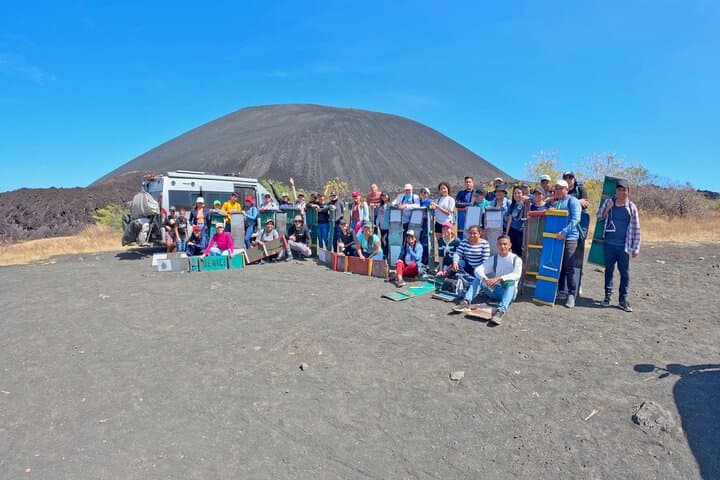
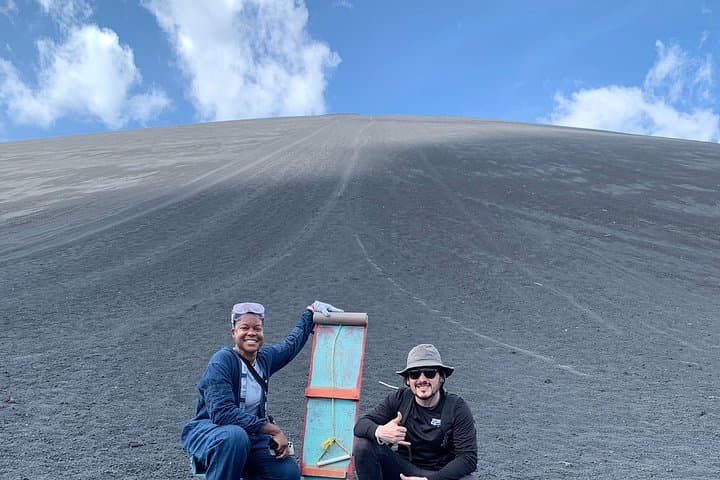
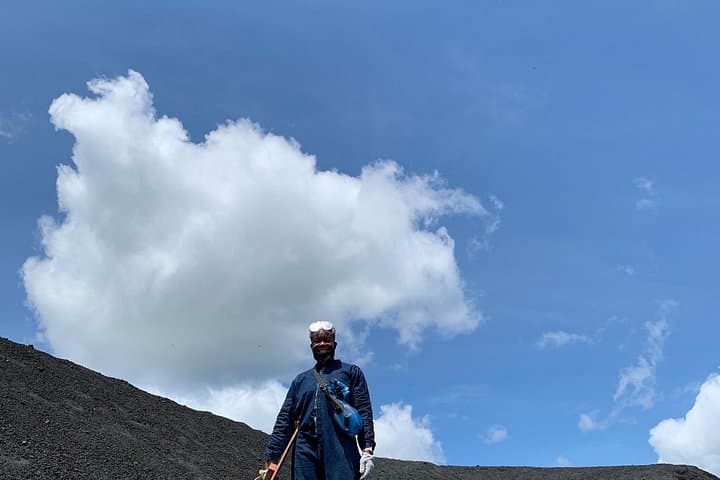
Wind carries volcanic ash like grit against your skin as the trail angles up Cerro Negro’s black flank. The climb is raw and exposed; the crater yawns above and the Pacific glints on the horizon. When riders strap in and push off, the board bites into loose scoria and gravity takes over—short, adrenaline-rich runs that leave a dusting of charcoal on clothing and a grin on faces.
Wind carries volcanic ash like grit against your skin as the trail angles up Cerro Negro’s black flank. The climb is raw and exposed; the crater yawns above and the Pacific glints on the horizon. When riders strap in and push off, the board bites into loose scoria and gravity takes over—short, adrenaline-rich runs that leave a dusting of charcoal on clothing and a grin on faces.
Cerro Negro is one of Nicaragua’s youngest and most active volcanoes, born in the mid-19th century and reshaping the plain around León with frequent eruptions. The volcanic ash that makes sandboarding possible is fresh, angular, and fast—geology that creates steep, skateable runs rather than soft sand dunes. Culturally, the route connects to León’s colonial center and the Pacific coastal communities; many tours pair the crater with a walk through León and a stop at Las Peñitas beach.
Practically, expect an uphill trek of 30–60 minutes to the launch zones, followed by guided descents and transfers back to León. Guides typically provide a suit, gloves, goggles and a board; bring sturdy sneakers, sun protection and a small daypack for water and camera. Hydrate well before the climb, and time visits for the dry season when the ash is loose and visibility is best. For repeat runs, alternate between standing and sitting techniques to reduce strain and keep momentum safe. The experience is short on technical climbing but high on fitness and boldness—perfect for travelers who want a compact, high-adrenaline day trip from León.