THE ADVENTURE COLLECTIVE® · Independent discovery and booking for outdoor travel

A private two-day exploration of Cotopaxi and Antisana from Quito, combining high-altitude hikes, lakeside birdwatching, and Andean landscapes. Learn what to expect from terrain, weather, wildlife, and essential gear before you go.
A private two-day exploration of Cotopaxi and Antisana from Quito, combining high-altitude hikes, lakeside birdwatching, and Andean landscapes. Learn what to expect from terrain, weather, wildlife, and essential gear before you go.
Morning light slices across the high páramo as the SUV works its way up toward Cotopaxi. The air is thin and cold, and the volcanoes loom like patient giants—snow caps bright against an austere sky. Travelers step out at Limpiopungo lagoon to hear wind push across the water and watch flocks lift off in quick, nervous bursts.
Verified experiences and guided adventures in the surrounding area.
Operated by PrivateTour · Quito, Pichincha
Morning light slices across the high páramo as the SUV works its way up toward Cotopaxi. The air is thin and cold, and the volcanoes loom like patient giants—snow caps bright against an austere sky. Travelers step out at Limpiopungo lagoon to hear wind push across the water and watch flocks lift off in quick, nervous bursts.
This two-day private circuit pairs Cotopaxi National Park and Antisana Ecological Reserve—two distinct chapters in the Andes story. Cotopaxi is one of the world’s highest active volcanoes and a study in glacial sculpting; Antisana is older, its broad cone punctuated by deep páramo valleys and glacial lakes like La Mica. Both plateaus were shaped by repeated uplift and ice, and both sit on lands long inhabited by Quechua-speaking communities whose agricultural terraces and highland traditions persist in nearby towns.
Expect broad, exposed trails, short high-elevation hikes (the optional route to José Rivas Refuge is roughly 1 hour up, 45 minutes back from 4,600 m), and quiet lagoon walks for birdwatching. Condors circle thermals; wild horses and Andean deer pick their way through tussock grass. Guides usually arrange local meals — try roasted lamb in Tumbaco — and may stop at artisan markets on the return.
Practical tips: acclimatize in Quito, carry layered clothing, sun protection and 2–3 liters of water, and plan morning excursions to avoid afternoon cloud build-up. The private vehicle logistics mean you can move at your pace, but altitude is the variable to respect.
Vehicles typically drive up to about 4,600 m (15,092 ft); the optional hike to José Rivas Refuge starts from that point and adds a moderate uphill walk.
No, but prior acclimatization in Quito (2,850 m) and basic fitness will make the experience more comfortable; the tour is adjustable for different paces.
Admission policies vary—confirm with the operator; the itinerary notes admissions are not applicable for included stops, but some sites may require local fees.
Yes—operators commonly offer meal options and speak Spanish, English, and Portuguese; specify dietary restrictions when booking.
PrivateTour operates guided outdoor trips and adventures with an emphasis on safety, stewardship, and memorable experiences.
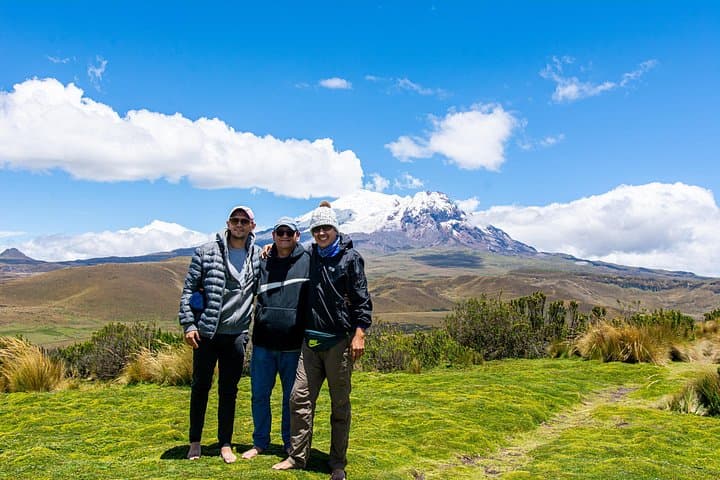
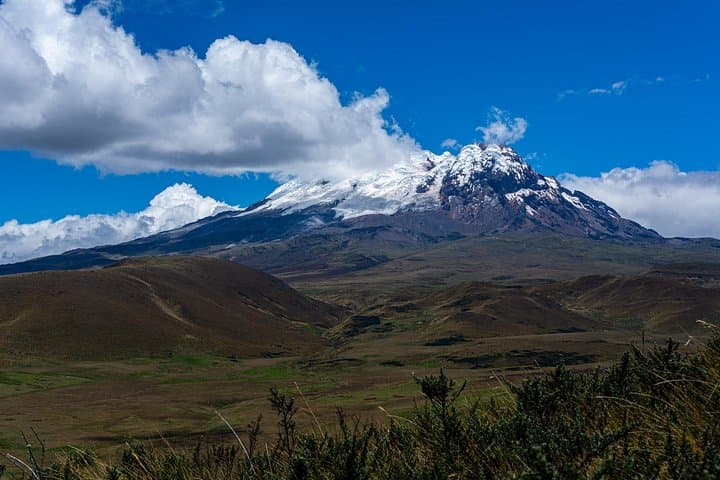
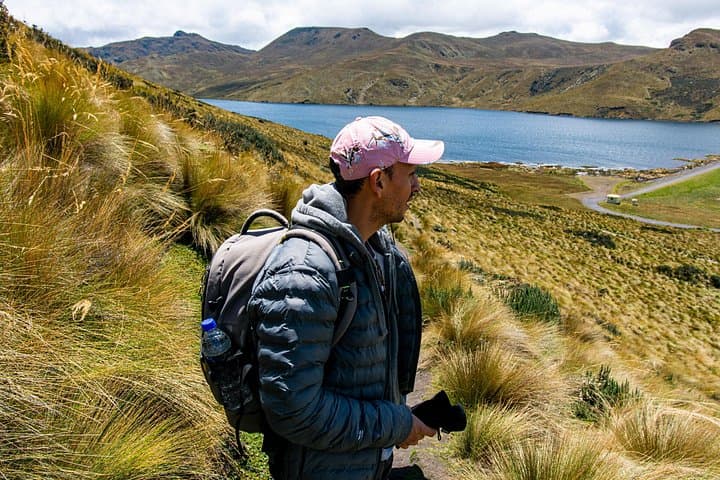
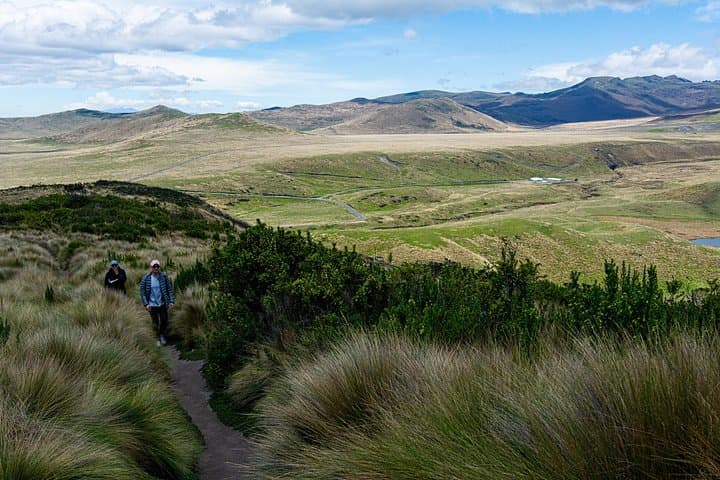
Morning light slices across the high páramo as the SUV works its way up toward Cotopaxi. The air is thin and cold, and the volcanoes loom like patient giants—snow caps bright against an austere sky. Travelers step out at Limpiopungo lagoon to hear wind push across the water and watch flocks lift off in quick, nervous bursts.
Morning light slices across the high páramo as the SUV works its way up toward Cotopaxi. The air is thin and cold, and the volcanoes loom like patient giants—snow caps bright against an austere sky. Travelers step out at Limpiopungo lagoon to hear wind push across the water and watch flocks lift off in quick, nervous bursts.
This two-day private circuit pairs Cotopaxi National Park and Antisana Ecological Reserve—two distinct chapters in the Andes story. Cotopaxi is one of the world’s highest active volcanoes and a study in glacial sculpting; Antisana is older, its broad cone punctuated by deep páramo valleys and glacial lakes like La Mica. Both plateaus were shaped by repeated uplift and ice, and both sit on lands long inhabited by Quechua-speaking communities whose agricultural terraces and highland traditions persist in nearby towns.
Expect broad, exposed trails, short high-elevation hikes (the optional route to José Rivas Refuge is roughly 1 hour up, 45 minutes back from 4,600 m), and quiet lagoon walks for birdwatching. Condors circle thermals; wild horses and Andean deer pick their way through tussock grass. Guides usually arrange local meals — try roasted lamb in Tumbaco — and may stop at artisan markets on the return.
Practical tips: acclimatize in Quito, carry layered clothing, sun protection and 2–3 liters of water, and plan morning excursions to avoid afternoon cloud build-up. The private vehicle logistics mean you can move at your pace, but altitude is the variable to respect.