THE ADVENTURE COLLECTIVE® · Independent discovery and booking for outdoor travel

A full-day expedition from Kona that stitches rainforest waterfalls, black sand beaches, and the active sockets of Kīlauea into a single, unforgettable route. Expect steam plumes, lava panoramas, and a practical guide to moving safely across a living landscape.
A full-day expedition from Kona that stitches rainforest waterfalls, black sand beaches, and the active sockets of Kīlauea into a single, unforgettable route. Expect steam plumes, lava panoramas, and a practical guide to moving safely across a living landscape.
You step out of the minivan into air that tastes like salt and sulfur; the world ahead is equal parts jungle and raw rock. The guide points to a steam plume in the distance and the group hushes—Kīlauea is breathing. On a full-day run from Kona, the tour stitches together high-elevation calderas, rainforest waterfalls, and black sand where sea and lava argue for territory.
Verified experiences and guided adventures in the surrounding area.
Operated by Dynamic Tour Maui · Volcano Village, Hawaii
You step out of the minivan into air that tastes like salt and sulfur; the world ahead is equal parts jungle and raw rock. The guide points to a steam plume in the distance and the group hushes—Kīlauea is breathing. On a full-day run from Kona, the tour stitches together high-elevation calderas, rainforest waterfalls, and black sand where sea and lava argue for territory.
Volcanoes National Park sprawls across 323,431 acres and drops from sea level to the flanks of the island’s giants. Geologically, it’s recent—lava flows you can walk across are decades, sometimes days, old. Kīlauea’s summit sits near 4,091 feet; the park contains faster-changing topography than almost any other U.S. national park. Culturally, the land is charged: Kānaka Maoli stories of Pele, goddess of the volcano, frame the landscape as an active character, not a backdrop.
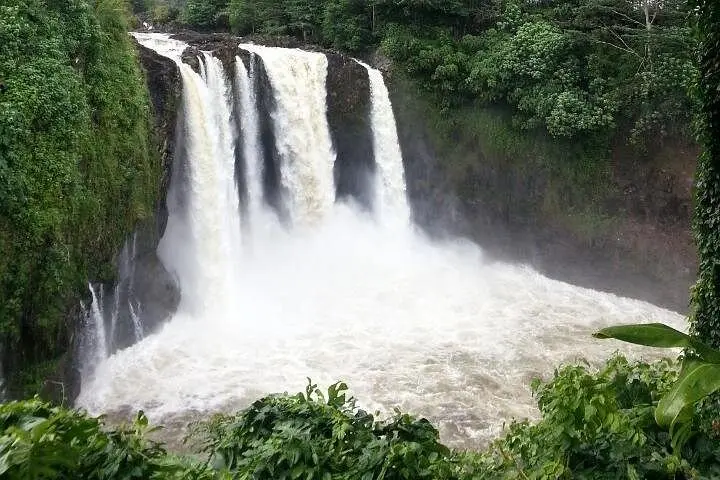
The itinerary moves with that tension. In Hilo you’ll feel the rainforest press close at Rainbow (Waiānuenue) Falls, where the Wailuku River folds into a turquoise pool framed by wild ginger and broad-leaf plants. At a roadside macadamia and coffee stop, local producers will hand you a chocolate-covered sample—small commerce that keeps island traditions alive. The tour also pauses at classic markers: the original Kamehameha statue and Punaluʻu’s black sand beach, where green sea turtles sometimes rest on cooled lava.
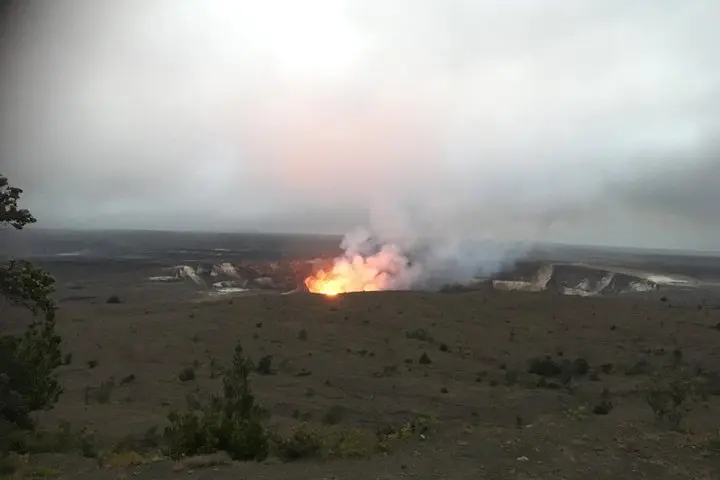
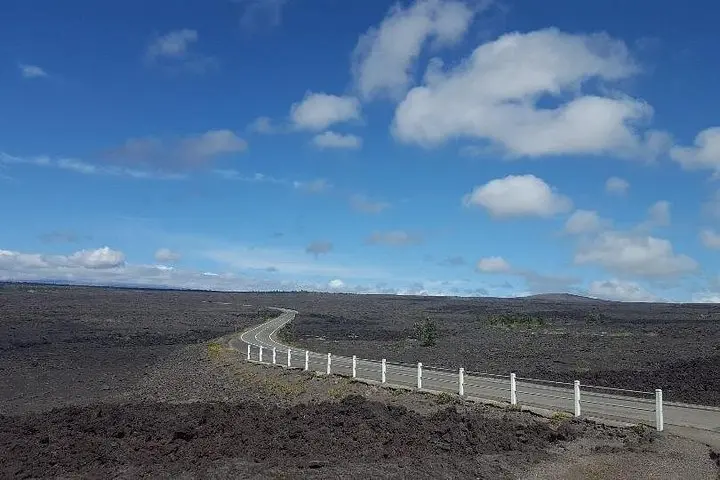
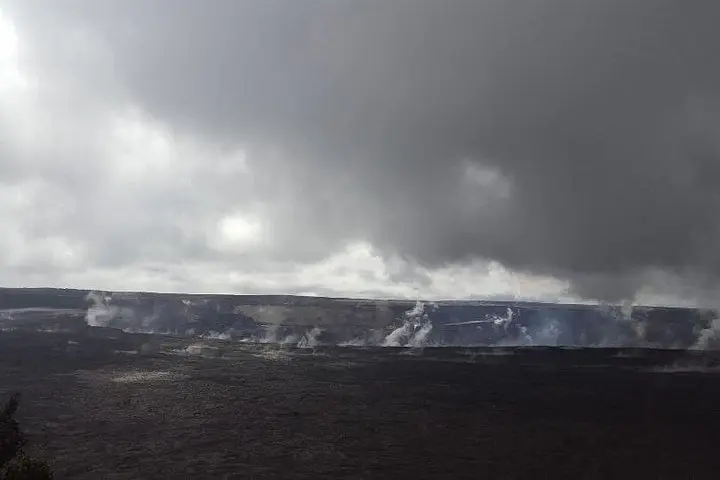
The day’s centerpiece is the volcanic zone: short hikes across hardened pahoehoe and ’a‘ā lava—textured, glassy, jagged terrain that demands attention. Expect pockets of steam, sulfurous plumes, and the possibility of distant glow after sundown when conditions allow. The vehicle does the long miles; the walking is intermittent but often on uneven ground. Terrain ranges from paved overlooks to half-mile rock scrambles. Elevation gain varies—gentle coastal walks to crater rims that sit several thousand feet higher.
Practical edge: this is a 10-hour outing—plan for long daylight and variable weather. Wear sturdy shoes with good tread; lava fields are unforgiving. Bring reusable water and a layered windproof jacket; vog (volcanic haze) can make air feel heavy and sun protection is still essential. If you need airport connections, don’t book flights the same day—the operator explicitly asks you not to.
For travelers who want more than a photo, the day offers context—how Hawai‘i’s most active volcanic landscape shapes ecology, local culture, and even the economy. The guide’s role is part storyteller, part safety officer: they’ll point out trails where you can step and places where the land is still deciding what to be.
The tour runs about 10 hours, departing in the morning from Kona-area pickup points and returning the same evening; expect multiple short walks and several vehicle transfers.
Visibility of active lava depends on volcanic activity and park safety rules; guides will take you to legal vantage points where you can see recent flows, steam vents, or nighttime glow when safe and permitted.
The tour lists as suitable for all fitness levels, but terrain includes uneven lava and short hikes; contact the operator ahead to discuss specific mobility needs and pickup arrangements.
Bottled water and snacks are provided; full meals are not included so bring snacks or plan to purchase food in Hilo during stops.
All sales are final—this operator does not offer refunds for cancellations, and trips may be canceled if minimum traveler numbers are not met.
Guides monitor Park and USGS updates and adhere to closures; safety depends on following instructions—stay on marked paths and maintain distance from steam vents and unstable edges.
Dynamic Tour Maui operates guided outdoor trips and adventures with an emphasis on safety, stewardship, and memorable experiences.
You step out of the minivan into air that tastes like salt and sulfur; the world ahead is equal parts jungle and raw rock. The guide points to a steam plume in the distance and the group hushes—Kīlauea is breathing. On a full-day run from Kona, the tour stitches together high-elevation calderas, rainforest waterfalls, and black sand where sea and lava argue for territory.
You step out of the minivan into air that tastes like salt and sulfur; the world ahead is equal parts jungle and raw rock. The guide points to a steam plume in the distance and the group hushes—Kīlauea is breathing. On a full-day run from Kona, the tour stitches together high-elevation calderas, rainforest waterfalls, and black sand where sea and lava argue for territory.
Volcanoes National Park sprawls across 323,431 acres and drops from sea level to the flanks of the island’s giants. Geologically, it’s recent—lava flows you can walk across are decades, sometimes days, old. Kīlauea’s summit sits near 4,091 feet; the park contains faster-changing topography than almost any other U.S. national park. Culturally, the land is charged: Kānaka Maoli stories of Pele, goddess of the volcano, frame the landscape as an active character, not a backdrop.
The itinerary moves with that tension. In Hilo you’ll feel the rainforest press close at Rainbow (Waiānuenue) Falls, where the Wailuku River folds into a turquoise pool framed by wild ginger and broad-leaf plants. At a roadside macadamia and coffee stop, local producers will hand you a chocolate-covered sample—small commerce that keeps island traditions alive. The tour also pauses at classic markers: the original Kamehameha statue and Punaluʻu’s black sand beach, where green sea turtles sometimes rest on cooled lava.
The day’s centerpiece is the volcanic zone: short hikes across hardened pahoehoe and ’a‘ā lava—textured, glassy, jagged terrain that demands attention. Expect pockets of steam, sulfurous plumes, and the possibility of distant glow after sundown when conditions allow. The vehicle does the long miles; the walking is intermittent but often on uneven ground. Terrain ranges from paved overlooks to half-mile rock scrambles. Elevation gain varies—gentle coastal walks to crater rims that sit several thousand feet higher.
Practical edge: this is a 10-hour outing—plan for long daylight and variable weather. Wear sturdy shoes with good tread; lava fields are unforgiving. Bring reusable water and a layered windproof jacket; vog (volcanic haze) can make air feel heavy and sun protection is still essential. If you need airport connections, don’t book flights the same day—the operator explicitly asks you not to.
For travelers who want more than a photo, the day offers context—how Hawai‘i’s most active volcanic landscape shapes ecology, local culture, and even the economy. The guide’s role is part storyteller, part safety officer: they’ll point out trails where you can step and places where the land is still deciding what to be.