THE ADVENTURE COLLECTIVE® · Independent discovery and booking for outdoor travel

Travel from Volos to Meteora for a full-day guided tour that pairs dramatic sandstone pillars with centuries-old monasteries. Explore hermit caves, climb carved steps, and pause at sweeping viewpoints before a relaxing lunch in Kalabaka.
Travel from Volos to Meteora for a full-day guided tour that pairs dramatic sandstone pillars with centuries-old monasteries. Explore hermit caves, climb carved steps, and pause at sweeping viewpoints before a relaxing lunch in Kalabaka.
You leave Volos while the plain thins into foothills and, within an hour, the vertical silhouettes of Meteora rise like carved pillars against the sky. Wind sketches the rock faces and the first viewpoint—Rock of Badovas—presents narrow ledges, hermit caves and a sense that people have moved here to meet both sky and silence.
Verified experiences and guided adventures in the surrounding area.
Operated by De Tour Transfers · Kalabaka, Thessaly
You leave Volos while the plain thins into foothills and, within an hour, the vertical silhouettes of Meteora rise like carved pillars against the sky. Wind sketches the rock faces and the first viewpoint—Rock of Badovas—presents narrow ledges, hermit caves and a sense that people have moved here to meet both sky and silence.
Geology here is blunt and simple: Miocene sandstone and conglomerate were lifted, cracked and eroded into the tall, fluted columns you’ll walk around. Monastic life began in the Byzantine period; from the 11th century on, monks pulled supplies up by ropes and baskets, later building stairways and bridges. The Monastery of Varlaam and the smaller Rousanos offer vivid frescoes and tight courtyards that reflect centuries of religious craft and local stonework.
On a practical level this is a full-day, guided circuit—expect a roughly 10-hour outing with multiple short walks, stairs and uneven stone steps. Dress respectfully for monastery entry (shoulders and knees covered) and bring sturdy shoes for paved paths and carved staircases. Water, sun protection and a light layer for changing mountain breezes are essential. Timing matters: mornings and late afternoons have the softest light and fewer tour groups; midday is busiest. Restrooms and tavernas are available in Kalabaka, where the tour often breaks for a traditional lunch.
Photography is easy from viewpoints but limited inside monasteries. Respect restricted areas, follow your guide’s advice on routes and safety, and allow extra time for steps and narrow passages—Meteora rewards slow attention as much as quick snapshots.
This tour includes entrance fees for the monasteries listed on the itinerary, but some smaller chapels or optional sites may charge separate fees.
The tour is family-friendly but involves many stairs and uneven paths; travelers with limited mobility should check specific site accessibility in advance.
Yes—there is a scheduled break in Kalabaka to enjoy a traditional Greek lunch or coffee before returning to Volos.
Yes—this is a full-day guided tour and seats can fill, especially in high season; book at least a few days ahead when possible.
De Tour Transfers operates guided outdoor trips and adventures with an emphasis on safety, stewardship, and memorable experiences.
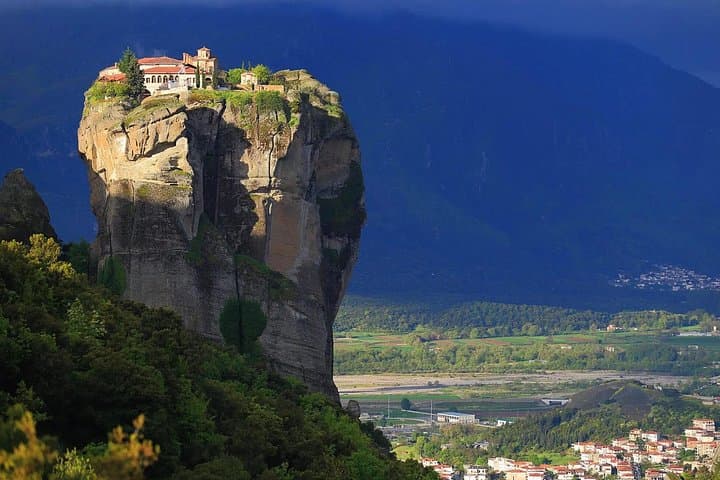


You leave Volos while the plain thins into foothills and, within an hour, the vertical silhouettes of Meteora rise like carved pillars against the sky. Wind sketches the rock faces and the first viewpoint—Rock of Badovas—presents narrow ledges, hermit caves and a sense that people have moved here to meet both sky and silence.
You leave Volos while the plain thins into foothills and, within an hour, the vertical silhouettes of Meteora rise like carved pillars against the sky. Wind sketches the rock faces and the first viewpoint—Rock of Badovas—presents narrow ledges, hermit caves and a sense that people have moved here to meet both sky and silence.
Geology here is blunt and simple: Miocene sandstone and conglomerate were lifted, cracked and eroded into the tall, fluted columns you’ll walk around. Monastic life began in the Byzantine period; from the 11th century on, monks pulled supplies up by ropes and baskets, later building stairways and bridges. The Monastery of Varlaam and the smaller Rousanos offer vivid frescoes and tight courtyards that reflect centuries of religious craft and local stonework.
On a practical level this is a full-day, guided circuit—expect a roughly 10-hour outing with multiple short walks, stairs and uneven stone steps. Dress respectfully for monastery entry (shoulders and knees covered) and bring sturdy shoes for paved paths and carved staircases. Water, sun protection and a light layer for changing mountain breezes are essential. Timing matters: mornings and late afternoons have the softest light and fewer tour groups; midday is busiest. Restrooms and tavernas are available in Kalabaka, where the tour often breaks for a traditional lunch.
Photography is easy from viewpoints but limited inside monasteries. Respect restricted areas, follow your guide’s advice on routes and safety, and allow extra time for steps and narrow passages—Meteora rewards slow attention as much as quick snapshots.