THE ADVENTURE COLLECTIVE® · Independent discovery and booking for outdoor travel

Spend two hours with local changemakers at a Cape Town dog and cat rescue: feed, groom, and socialize animals while learning about local spay/neuter initiatives. This hands-on shift is accessible, community-driven, and immediately impactful.
Spend two hours with local changemakers at a Cape Town dog and cat rescue: feed, groom, and socialize animals while learning about local spay/neuter initiatives. This hands-on shift is accessible, community-driven, and immediately impactful.
You arrive at the gate to a small community-run shelter just outside Cape Town, the Atlantic breeze tugging at a coat of fur as dogs press their noses to greet new hands. Inside, kennels and play yards hum with nervous energy and practiced routine—volunteers moving through feeding, socialization, and gentle grooming, while staff narrate each animal's story and immediate needs.
Verified experiences and guided adventures in the surrounding area.
Operated by Side by Side Experiences & Tours · Cape Town, Western Cape
You arrive at the gate to a small community-run shelter just outside Cape Town, the Atlantic breeze tugging at a coat of fur as dogs press their noses to greet new hands. Inside, kennels and play yards hum with nervous energy and practiced routine—volunteers moving through feeding, socialization, and gentle grooming, while staff narrate each animal's story and immediate needs.
South Africa has a long, often fraught, relationship with urban animal welfare; grassroots rescues grew from community concern over unowned dogs and the public-health issues they carried. Geologically, the shelter sits beneath Table Mountain’s shadow—granite ridgelines framing neighborhoods where community care and constrained municipal resources meet. Culturally, volunteer programs are a bridge between visitors and local changemakers: practical aid plus advocacy for spay/neuter campaigns and adoption drives.
Expect a two-hour, hands-on shift: scooping food, cleaning runs, walking timid dogs, and socializing cats where safe. Hosts typically brief volunteers on bite prevention, handling technique, and sanitation. Work is accessible—no advanced animal-handling skills required—but it demands attention, patience, and respect for animals’ boundaries. Photos are often allowed but follow staff rules.
Practical tips: wear closed-toe shoes and long pants, bring water and sun protection, and arrive with vaccinations up to date per your doctor’s advice. If you want to make a bigger impact, ask about follow-up volunteer opportunities or local clinics the organization supports.
This is less a tourist stop and more a direct exchange—leave time afterwards to walk a nearby beach or visit a community market and reflect on the small, tangible difference your hands made today.
No—staff provide a safety and handling briefing; they assign tasks based on your comfort level and ability.
Policies vary by shelter; this offering notes stroller and wheelchair accessibility but check with the host about children under a specific age.
Many rescues welcome adoption interest but require an application and screening process separate from volunteer shifts.
Keep routine vaccinations up to date and consult your healthcare provider about bite protocols or travel-specific advice before hands-on work.
Side by Side Experiences & Tours operates guided outdoor trips and adventures with an emphasis on safety, stewardship, and memorable experiences.
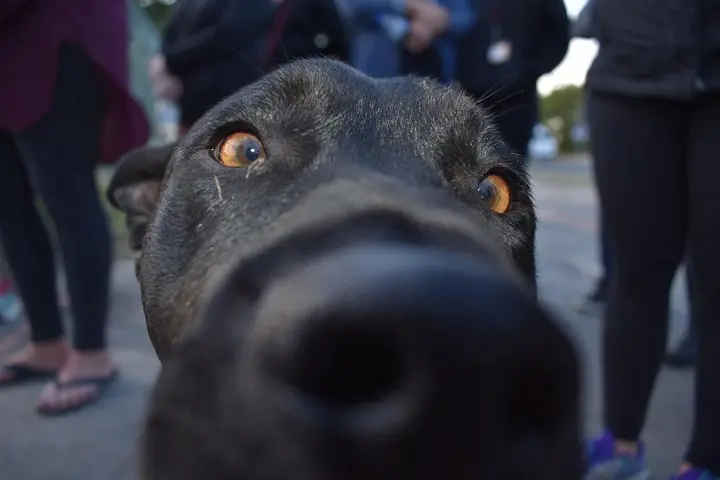
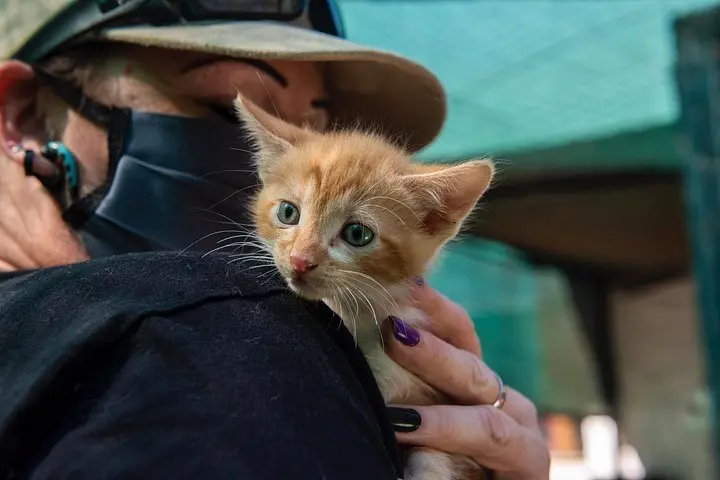
You arrive at the gate to a small community-run shelter just outside Cape Town, the Atlantic breeze tugging at a coat of fur as dogs press their noses to greet new hands. Inside, kennels and play yards hum with nervous energy and practiced routine—volunteers moving through feeding, socialization, and gentle grooming, while staff narrate each animal's story and immediate needs.
You arrive at the gate to a small community-run shelter just outside Cape Town, the Atlantic breeze tugging at a coat of fur as dogs press their noses to greet new hands. Inside, kennels and play yards hum with nervous energy and practiced routine—volunteers moving through feeding, socialization, and gentle grooming, while staff narrate each animal's story and immediate needs.
South Africa has a long, often fraught, relationship with urban animal welfare; grassroots rescues grew from community concern over unowned dogs and the public-health issues they carried. Geologically, the shelter sits beneath Table Mountain’s shadow—granite ridgelines framing neighborhoods where community care and constrained municipal resources meet. Culturally, volunteer programs are a bridge between visitors and local changemakers: practical aid plus advocacy for spay/neuter campaigns and adoption drives.
Expect a two-hour, hands-on shift: scooping food, cleaning runs, walking timid dogs, and socializing cats where safe. Hosts typically brief volunteers on bite prevention, handling technique, and sanitation. Work is accessible—no advanced animal-handling skills required—but it demands attention, patience, and respect for animals’ boundaries. Photos are often allowed but follow staff rules.
Practical tips: wear closed-toe shoes and long pants, bring water and sun protection, and arrive with vaccinations up to date per your doctor’s advice. If you want to make a bigger impact, ask about follow-up volunteer opportunities or local clinics the organization supports.
This is less a tourist stop and more a direct exchange—leave time afterwards to walk a nearby beach or visit a community market and reflect on the small, tangible difference your hands made today.