THE ADVENTURE COLLECTIVE® · Independent discovery and booking for outdoor travel

Walk the streets where suffragists pressed their case and sometimes risked everything. This 90-minute guided tour in Newcastle traces protests, tactics and local stories that fed a national movement.
Walk the streets where suffragists pressed their case and sometimes risked everything. This 90-minute guided tour in Newcastle traces protests, tactics and local stories that fed a national movement.
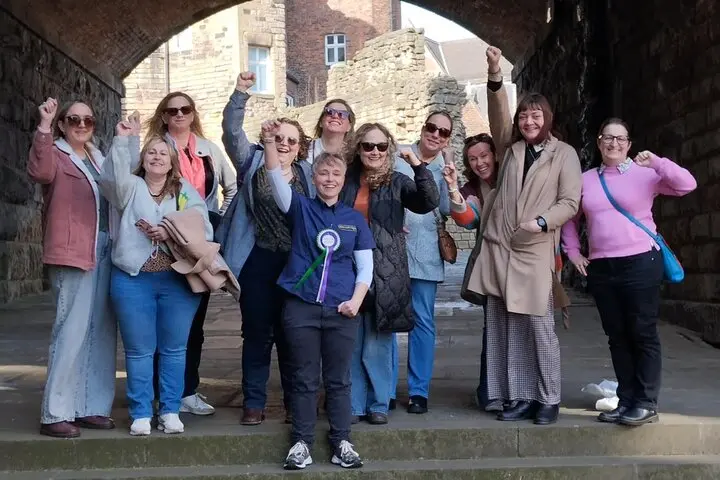
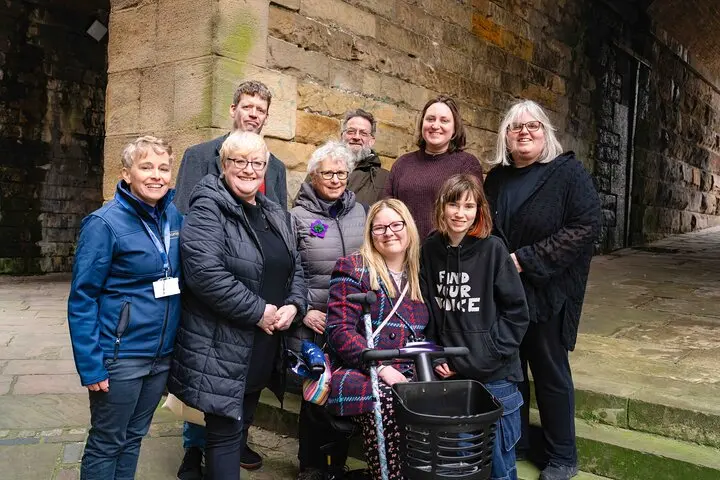
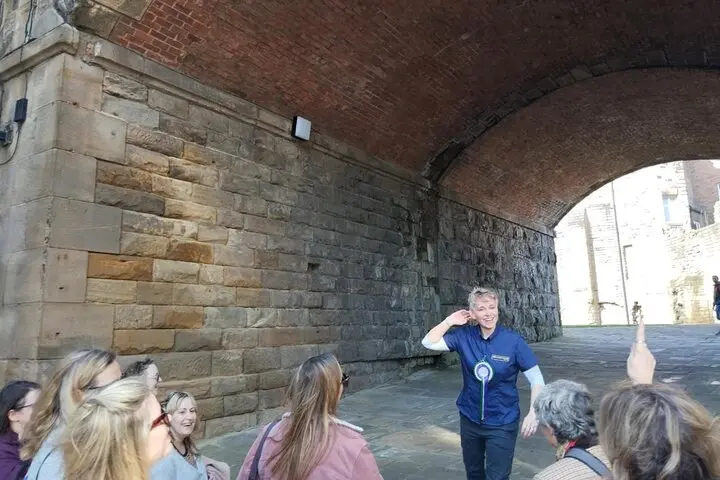
A chill of history rides the pavements as the group gathers beneath Grey Street’s curved Georgian facades. Voices rise, not as tourists but as witnesses, listening to an expert guide sketch the contours of a city that once hosted clandestine meetings, street demonstrations and provocative acts designed to force an indifferent nation to pay attention.
Verified experiences and guided adventures in the surrounding area.
Operated by Adventours UK Newcastle · Newcastle upon Tyne, Tyne and Wear
A chill of history rides the pavements as the group gathers beneath Grey Street’s curved Georgian facades. Voices rise, not as tourists but as witnesses, listening to an expert guide sketch the contours of a city that once hosted clandestine meetings, street demonstrations and provocative acts designed to force an indifferent nation to pay attention.
The route threads through Newcastle’s civic heart — Grey Street, the Bigg Market and Newcastle Castle — each place a chapter in the local suffrage story. Early-20th-century politics met urban life here: meetings in town halls, arrests at crowded intersections, and later, the sharper tactics that made headlines across Britain. The guide links local actors to national milestones, explaining slogans such as “Deeds not Words” and the escalation from petitions to direct action.
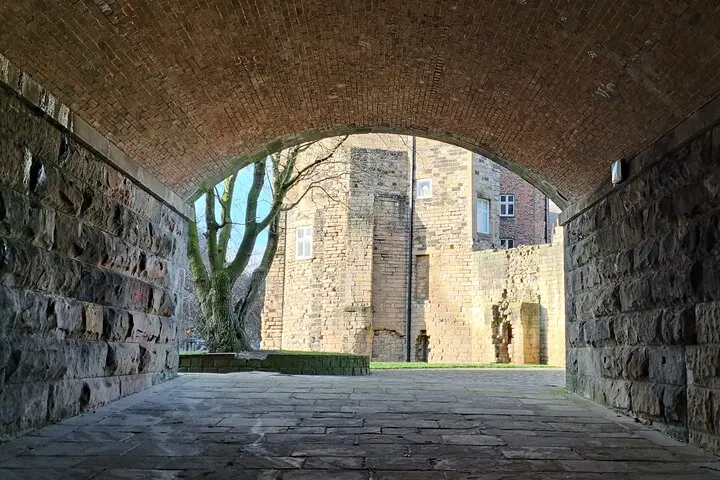
Newcastle’s stone and sandstone buildings are the silent witnesses; the River Tyne moves on, indifferent but steady, while the streets remember the arguments, songs and clashes that changed voting laws. Cultural snapshots — pubs where activists met, storefronts repurposed since—add texture to the narrative.
Practical notes: the tour runs about 90 minutes on paved, mostly level city streets suitable for most walkers. Expect close quarters in busier spots and an emphasis on storytelling over museum-style exhibits. Bring weatherproof layers, a charged phone for photos, and arrive 10 minutes early to find the meeting point. The guide welcomes questions after the walk, and accessibility is generally good — confirm specific needs when booking. This is an urban history walk that balances atmosphere with fact, ideal for anyone curious about the street-level politics that reshaped Britain.
The tour meeting point is on Grey Street near its main curve; your confirmation will include the precise address and map link.
Yes — the route is on paved, mostly level streets; contact the operator ahead of time for specific accessibility arrangements.
Children are welcome; the content can be adapted to different ages but some historical events discussed are mature in nature.
Full refunds are available if you cancel at least 24 hours before the tour start time; check your booking confirmation for details.
Adventours UK Newcastle operates guided outdoor trips and adventures with an emphasis on safety, stewardship, and memorable experiences.
A chill of history rides the pavements as the group gathers beneath Grey Street’s curved Georgian facades. Voices rise, not as tourists but as witnesses, listening to an expert guide sketch the contours of a city that once hosted clandestine meetings, street demonstrations and provocative acts designed to force an indifferent nation to pay attention.
A chill of history rides the pavements as the group gathers beneath Grey Street’s curved Georgian facades. Voices rise, not as tourists but as witnesses, listening to an expert guide sketch the contours of a city that once hosted clandestine meetings, street demonstrations and provocative acts designed to force an indifferent nation to pay attention.
The route threads through Newcastle’s civic heart — Grey Street, the Bigg Market and Newcastle Castle — each place a chapter in the local suffrage story. Early-20th-century politics met urban life here: meetings in town halls, arrests at crowded intersections, and later, the sharper tactics that made headlines across Britain. The guide links local actors to national milestones, explaining slogans such as “Deeds not Words” and the escalation from petitions to direct action.
Newcastle’s stone and sandstone buildings are the silent witnesses; the River Tyne moves on, indifferent but steady, while the streets remember the arguments, songs and clashes that changed voting laws. Cultural snapshots — pubs where activists met, storefronts repurposed since—add texture to the narrative.
Practical notes: the tour runs about 90 minutes on paved, mostly level city streets suitable for most walkers. Expect close quarters in busier spots and an emphasis on storytelling over museum-style exhibits. Bring weatherproof layers, a charged phone for photos, and arrive 10 minutes early to find the meeting point. The guide welcomes questions after the walk, and accessibility is generally good — confirm specific needs when booking. This is an urban history walk that balances atmosphere with fact, ideal for anyone curious about the street-level politics that reshaped Britain.