THE ADVENTURE COLLECTIVE® · Independent discovery and booking for outdoor travel

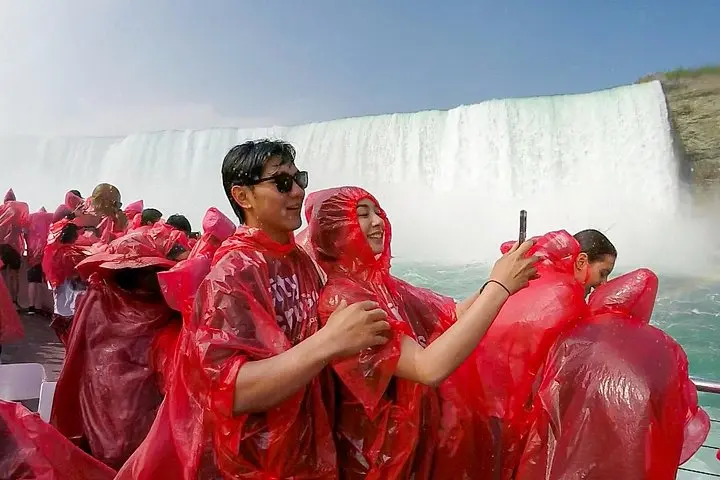
Stand at Table Rock with spray on your face and the Niagara River roaring below — this guided tour pairs a narrated walk and scenic descent with a close-up voyage on the Niagara City Cruises boat. Expect seasonal operations, short walks, and unforgettable views.
Stand at Table Rock with spray on your face and the Niagara River roaring below — this guided tour pairs a narrated walk and scenic descent with a close-up voyage on the Niagara City Cruises boat. Expect seasonal operations, short walks, and unforgettable views.
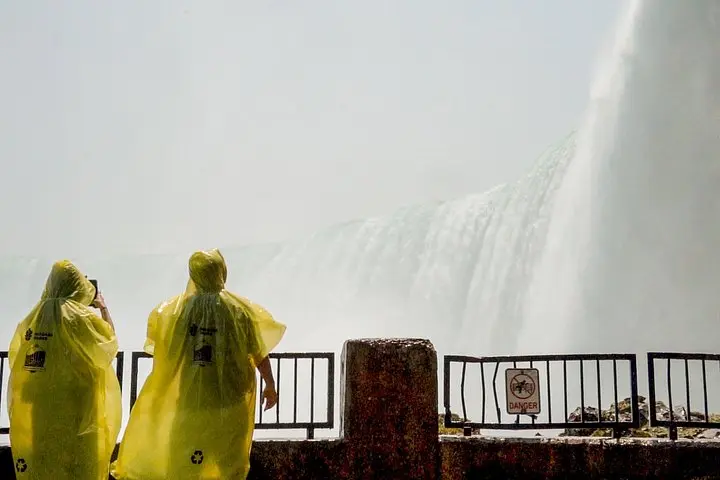
The river arrives with a voice — a low, constant roar that rises as you walk the paved rim toward Table Rock. On the Canadian side the air is cool with spray, mist clinging to jackets and camera lenses as the falls push the gorge’s wind into your face. A narrated walk and a funicular descent set the rhythm: short bursts of history, then sudden, panoramic immersion as the water hurls itself over the edge.
Verified experiences and guided adventures in the surrounding area.
Operated by See Sight Tours · Niagara Falls, Ontario
The river arrives with a voice — a low, constant roar that rises as you walk the paved rim toward Table Rock. On the Canadian side the air is cool with spray, mist clinging to jackets and camera lenses as the falls push the gorge’s wind into your face. A narrated walk and a funicular descent set the rhythm: short bursts of history, then sudden, panoramic immersion as the water hurls itself over the edge.
Geology here is blunt and visible: layered dolostone and shale carved by the Niagara River over millennia, the same current now harnessed by early 20th-century power stations you pass on the parkway. The site holds industrial, Indigenous and tourism histories — a working river that powered mills and then electricity, now shared with visitors and conservation managers who coordinate cross-border water flows.
Culturally, the area feels pragmatic: interpretation panels, railings, and viewpoints designed to keep you close without getting reckless. Local insights include vantage points of the Old Scow wreckage and quieter stretches of the Niagara Parkway where the rapids still dare you to peer over the rail.
Practical guidance: the full experience runs about 2–3 hours and mixes walking with short rides; expect crowds in mid-day and early afternoon. Boat cruises operate seasonally (spring–fall) and can get you drenched with spray — pack a waterproof layer and a phone case. Photography is straightforward but plan for rapid changes in light and moisture. If you have limited mobility, check seasonal availability of the Falls Incline Railway and inquire about accessible routing before you go.
No — Niagara City Cruises typically runs April through November; in winter the experience is replaced by indoor/land-based attractions and alternate seasonal offerings.
Journey Behind the Falls is available as an option on some bookings; check your ticket inclusions to confirm whether it’s part of your chosen tour.
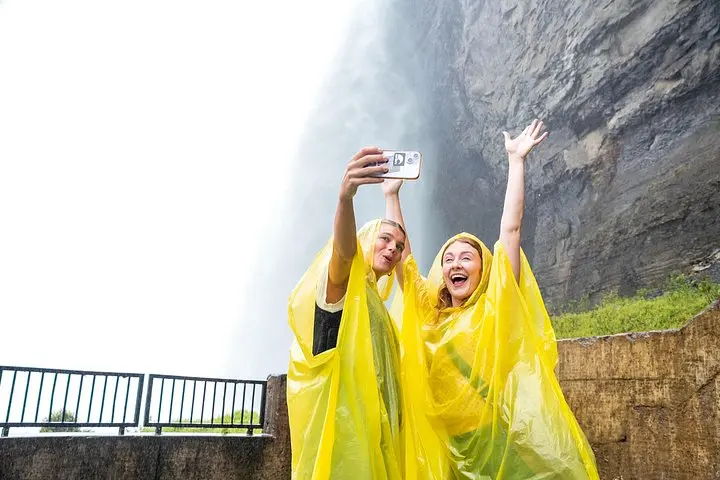
Expect spray and mist when the boat approaches the falls; operators may provide waterproof ponchos and recommend protective cases for electronics.
Much of the route is paved and stroller-accessible, but the Falls Incline Railway is seasonal and some viewpoints have steps — contact the operator ahead to confirm accessible routing.
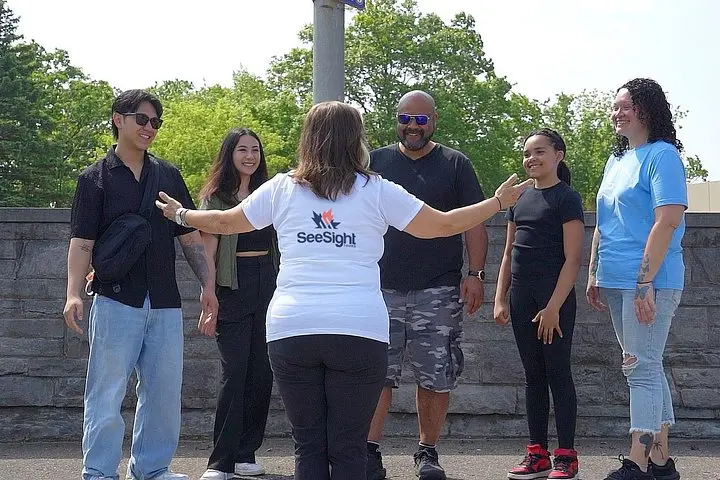
See Sight Tours operates guided outdoor trips and adventures with an emphasis on safety, stewardship, and memorable experiences.
The river arrives with a voice — a low, constant roar that rises as you walk the paved rim toward Table Rock. On the Canadian side the air is cool with spray, mist clinging to jackets and camera lenses as the falls push the gorge’s wind into your face. A narrated walk and a funicular descent set the rhythm: short bursts of history, then sudden, panoramic immersion as the water hurls itself over the edge.
The river arrives with a voice — a low, constant roar that rises as you walk the paved rim toward Table Rock. On the Canadian side the air is cool with spray, mist clinging to jackets and camera lenses as the falls push the gorge’s wind into your face. A narrated walk and a funicular descent set the rhythm: short bursts of history, then sudden, panoramic immersion as the water hurls itself over the edge.
Geology here is blunt and visible: layered dolostone and shale carved by the Niagara River over millennia, the same current now harnessed by early 20th-century power stations you pass on the parkway. The site holds industrial, Indigenous and tourism histories — a working river that powered mills and then electricity, now shared with visitors and conservation managers who coordinate cross-border water flows.
Culturally, the area feels pragmatic: interpretation panels, railings, and viewpoints designed to keep you close without getting reckless. Local insights include vantage points of the Old Scow wreckage and quieter stretches of the Niagara Parkway where the rapids still dare you to peer over the rail.
Practical guidance: the full experience runs about 2–3 hours and mixes walking with short rides; expect crowds in mid-day and early afternoon. Boat cruises operate seasonally (spring–fall) and can get you drenched with spray — pack a waterproof layer and a phone case. Photography is straightforward but plan for rapid changes in light and moisture. If you have limited mobility, check seasonal availability of the Falls Incline Railway and inquire about accessible routing before you go.