THE ADVENTURE COLLECTIVE® · Independent discovery and booking for outdoor travel

Walk Vršovice to see Prague’s industrial past folded into contemporary café culture. This 60–90 minute route threads former factories, modernist blocks, and local hotspots like Kino Pilotů.
Walk Vršovice to see Prague’s industrial past folded into contemporary café culture. This 60–90 minute route threads former factories, modernist blocks, and local hotspots like Kino Pilotů.
A late-afternoon light slants down Vršovice’s broad streets, catching red-brick façades and the clean lines of interwar modernist blocks. You start on foot among former factory gates, where ironwork and soot-streaked masonry still hold the memory of textile looms and small manufactories. The neighborhood hums now with cafés, street art, and small theaters; the city’s pulse has moved here without erasing the grit that made it.
Verified experiences and guided adventures in the surrounding area.
Operated by VoiceMap Audio Tours · Prague, Prague
A late-afternoon light slants down Vršovice’s broad streets, catching red-brick façades and the clean lines of interwar modernist blocks. You start on foot among former factory gates, where ironwork and soot-streaked masonry still hold the memory of textile looms and small manufactories. The neighborhood hums now with cafés, street art, and small theaters; the city’s pulse has moved here without erasing the grit that made it.
Long before it became a creative quarter, Vršovice was a village absorbed into Prague in the 19th century as industry expanded eastward. Its streets show that history: neo-Gothic churches, functionalist apartment buildings, and vestiges of Soviet-era housing sit side by side. The district’s geology is unremarkable—low, flat river plain—so what defines Vršovice is cultural layering rather than dramatic topography.
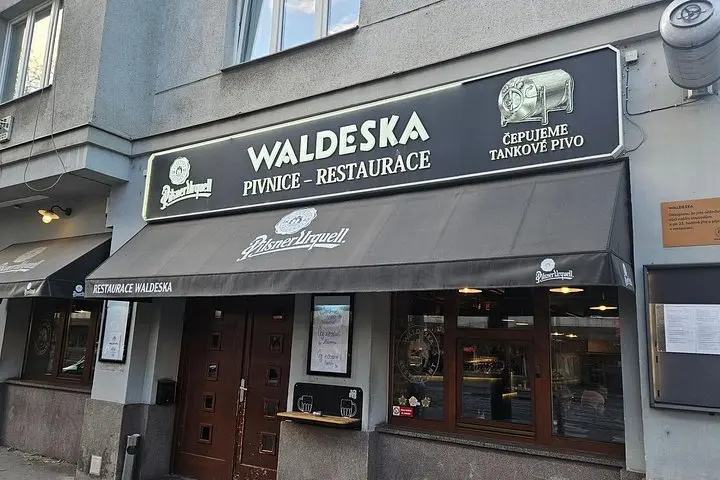
On a guided or self-led walk you’ll pass the Textilní galanterie KOH-I-NOOR, neighborhood canteens, and the Městský stadion Ďolíček—small civic landmarks that map the local identity. Kino Pilotů and café-bar spots offer a post-walk pause that feels thoroughly local.
Practical guide: plan 60–90 minutes for a focused route, more if you linger in cafés or galleries. Tram and metro connections to Prague’s center make arrival simple; wear comfortable shoes for mostly paved sidewalks and light cobblestone. Bring a phone or map with offline access—the tour offers downloadable geodata—and aim for late morning or late afternoon light for the best mix of architecture and neighborhood life.
The route is designed for about 60–90 minutes of walking, depending on stops; allow extra time for cafés or galleries.
Yes—streets are level and the tour is rated easy, but some cobblestones may be challenging for strollers or mobility devices.
No entries are included; the tour passes landmarks and local businesses where you can decide to go inside on your own.
Vršovice is well served by Prague trams and nearby metro lines—check local tram routes 10 and 16 and choose a tram stop closest to the provided starting-point directions.
VoiceMap Audio Tours operates guided outdoor trips and adventures with an emphasis on safety, stewardship, and memorable experiences.
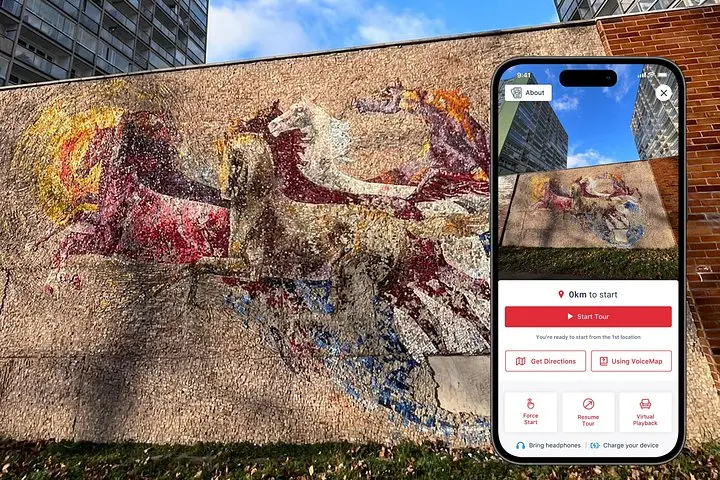
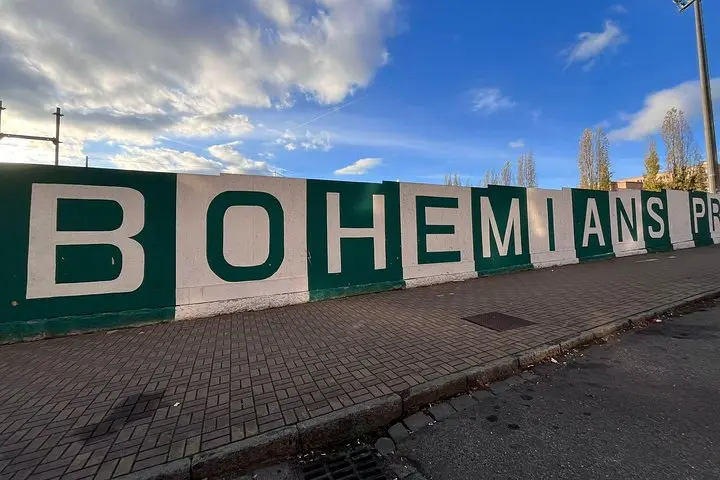
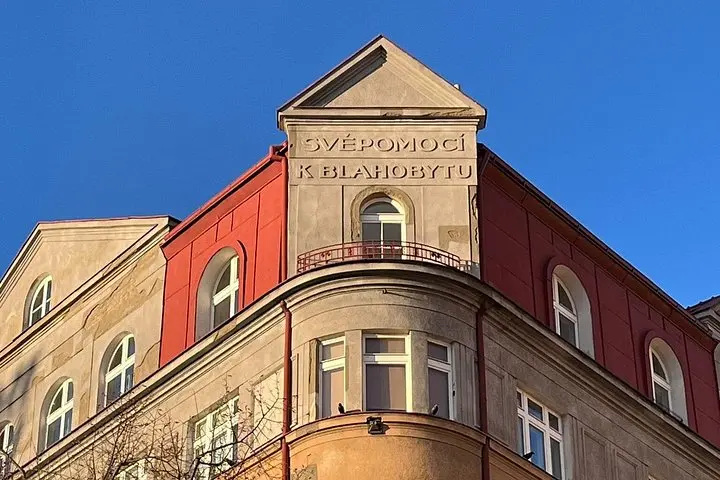
A late-afternoon light slants down Vršovice’s broad streets, catching red-brick façades and the clean lines of interwar modernist blocks. You start on foot among former factory gates, where ironwork and soot-streaked masonry still hold the memory of textile looms and small manufactories. The neighborhood hums now with cafés, street art, and small theaters; the city’s pulse has moved here without erasing the grit that made it.
A late-afternoon light slants down Vršovice’s broad streets, catching red-brick façades and the clean lines of interwar modernist blocks. You start on foot among former factory gates, where ironwork and soot-streaked masonry still hold the memory of textile looms and small manufactories. The neighborhood hums now with cafés, street art, and small theaters; the city’s pulse has moved here without erasing the grit that made it.
Long before it became a creative quarter, Vršovice was a village absorbed into Prague in the 19th century as industry expanded eastward. Its streets show that history: neo-Gothic churches, functionalist apartment buildings, and vestiges of Soviet-era housing sit side by side. The district’s geology is unremarkable—low, flat river plain—so what defines Vršovice is cultural layering rather than dramatic topography.
On a guided or self-led walk you’ll pass the Textilní galanterie KOH-I-NOOR, neighborhood canteens, and the Městský stadion Ďolíček—small civic landmarks that map the local identity. Kino Pilotů and café-bar spots offer a post-walk pause that feels thoroughly local.
Practical guide: plan 60–90 minutes for a focused route, more if you linger in cafés or galleries. Tram and metro connections to Prague’s center make arrival simple; wear comfortable shoes for mostly paved sidewalks and light cobblestone. Bring a phone or map with offline access—the tour offers downloadable geodata—and aim for late morning or late afternoon light for the best mix of architecture and neighborhood life.