THE ADVENTURE COLLECTIVE® · Independent discovery and booking for outdoor travel

Climb Platania Gorge in Psiloritis Geopark on a 6 km, moderate birdwatching trek where griffon and bearded vultures patrol thermal currents above ancient limestone terraces. Expect steep switchbacks, oak-shaded picnics and expert-guided observation.
Climb Platania Gorge in Psiloritis Geopark on a 6 km, moderate birdwatching trek where griffon and bearded vultures patrol thermal currents above ancient limestone terraces. Expect steep switchbacks, oak-shaded picnics and expert-guided observation.
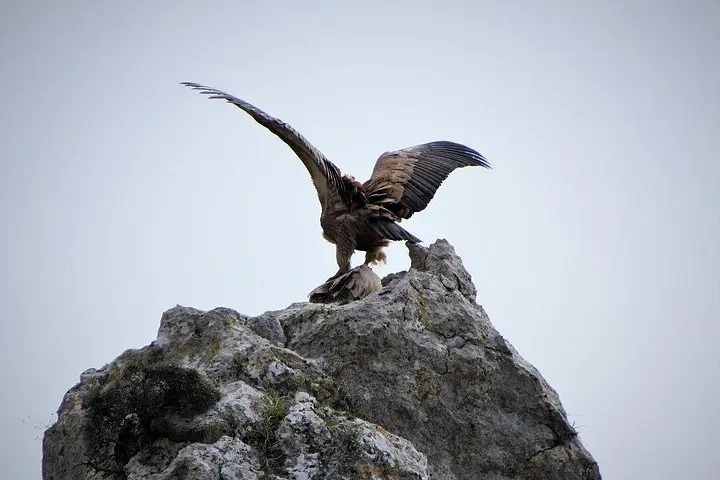
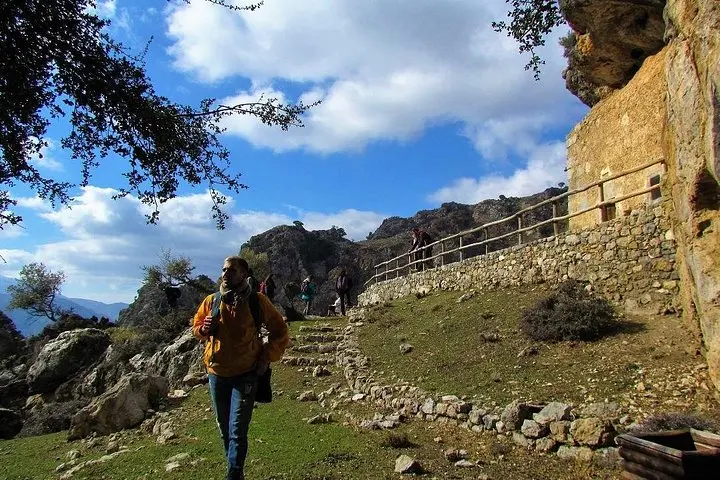
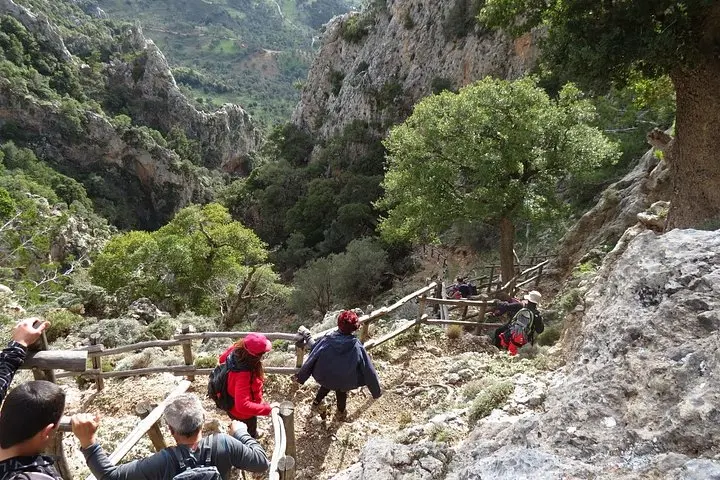
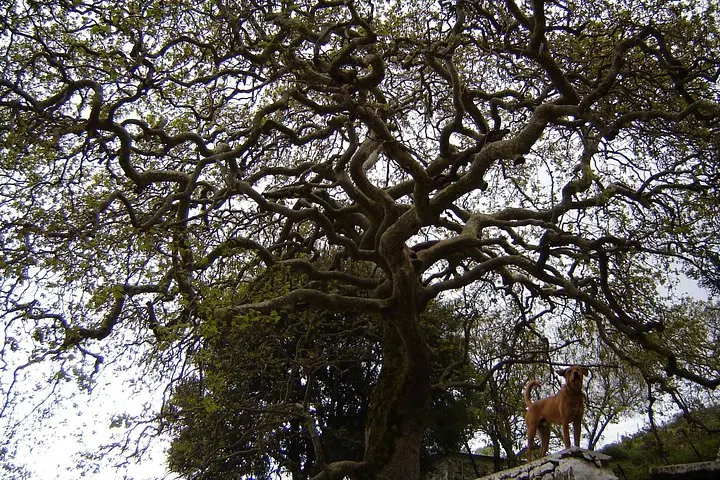
A hot wind teethes across limestone as you step from the olive-scrub into the narrower throat of Platania Gorge. The trail zigzags uphill beneath Kermes oak and maquis; above, griffon vultures wheel like slow punctuation marks against a bright Crete sky. The walk is sensory and deliberate — the scratch of boots on scree, the metallic cry of raptors, the smell of sun-warmed herbs.
Verified experiences and guided adventures in the surrounding area.
Operated by PETASSOS TRAVEL · Platania (Psiloritis), Crete
A hot wind teethes across limestone as you step from the olive-scrub into the narrower throat of Platania Gorge. The trail zigzags uphill beneath Kermes oak and maquis; above, griffon vultures wheel like slow punctuation marks against a bright Crete sky. The walk is sensory and deliberate — the scratch of boots on scree, the metallic cry of raptors, the smell of sun-warmed herbs.
Geology here reads like a field book: folded limestones, karst hollows and steep terraces carved by millennia of water and shepherding. The route traces the western edge of the Psiloritis Geopark, a landscape shaped by tectonic uplift and long human presence — pastoral hamlets, stone terraces and the remnants of Ottoman-era footpaths. Local shepherding traditions still shape the grazing patterns that help sustain the vulture populations.
Practically, expect a marked but occasionally confusing 6 km path with roughly 430 m of ascent to a max altitude near 850 m. The pace is moderate; there are frequent stops for observation and one longer picnic break beneath shaded oaks. Guides provide binoculars and ecological context: you'll learn identification cues for Gyps fulvus and the rarer Gypaetus barbatus, plus tips to minimize disturbance.
Bring sturdy footwear, sun protection, and a small pack for water and a layered jacket — mountain weather can shift quickly. Morning light is best for thermal-driven vulture activity; aim to start early. The route rewards patience: views over the Amari plain open in stages, and the birds, patient and precise, remind you that this is their long-guarded territory.
The route is about 6 km with roughly 430 m of ascent; rated moderate and typically takes 4–6 hours with stops for observation.
Guides know local colonies and timing maximizes sightings, but wildlife is never guaranteed — thermals and weather affect activity.
Children must be accompanied by an adult; the tour is not recommended for pregnant travelers or those with serious heart conditions due to steady uphill sections.
An English-speaking mountain/cultural guide leads the tour; shared binoculars, a first aid kit and, on request, trekking poles are available.
PETASSOS TRAVEL operates guided outdoor trips and adventures with an emphasis on safety, stewardship, and memorable experiences.
A hot wind teethes across limestone as you step from the olive-scrub into the narrower throat of Platania Gorge. The trail zigzags uphill beneath Kermes oak and maquis; above, griffon vultures wheel like slow punctuation marks against a bright Crete sky. The walk is sensory and deliberate — the scratch of boots on scree, the metallic cry of raptors, the smell of sun-warmed herbs.
A hot wind teethes across limestone as you step from the olive-scrub into the narrower throat of Platania Gorge. The trail zigzags uphill beneath Kermes oak and maquis; above, griffon vultures wheel like slow punctuation marks against a bright Crete sky. The walk is sensory and deliberate — the scratch of boots on scree, the metallic cry of raptors, the smell of sun-warmed herbs.
Geology here reads like a field book: folded limestones, karst hollows and steep terraces carved by millennia of water and shepherding. The route traces the western edge of the Psiloritis Geopark, a landscape shaped by tectonic uplift and long human presence — pastoral hamlets, stone terraces and the remnants of Ottoman-era footpaths. Local shepherding traditions still shape the grazing patterns that help sustain the vulture populations.
Practically, expect a marked but occasionally confusing 6 km path with roughly 430 m of ascent to a max altitude near 850 m. The pace is moderate; there are frequent stops for observation and one longer picnic break beneath shaded oaks. Guides provide binoculars and ecological context: you'll learn identification cues for Gyps fulvus and the rarer Gypaetus barbatus, plus tips to minimize disturbance.
Bring sturdy footwear, sun protection, and a small pack for water and a layered jacket — mountain weather can shift quickly. Morning light is best for thermal-driven vulture activity; aim to start early. The route rewards patience: views over the Amari plain open in stages, and the birds, patient and precise, remind you that this is their long-guarded territory.