THE ADVENTURE COLLECTIVE® · Independent discovery and booking for outdoor travel

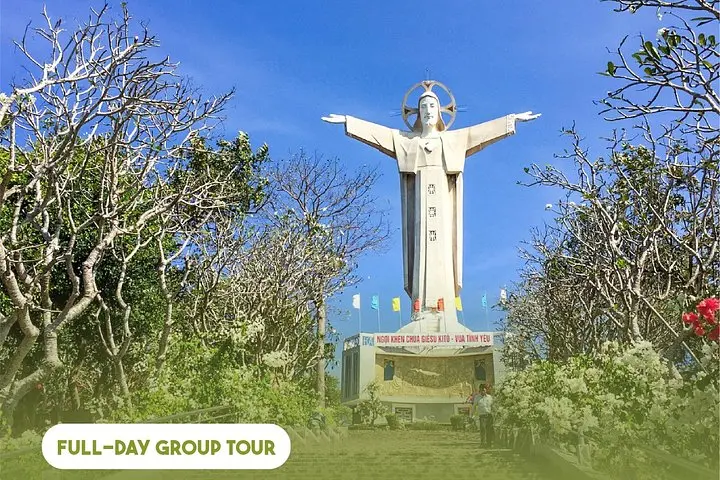
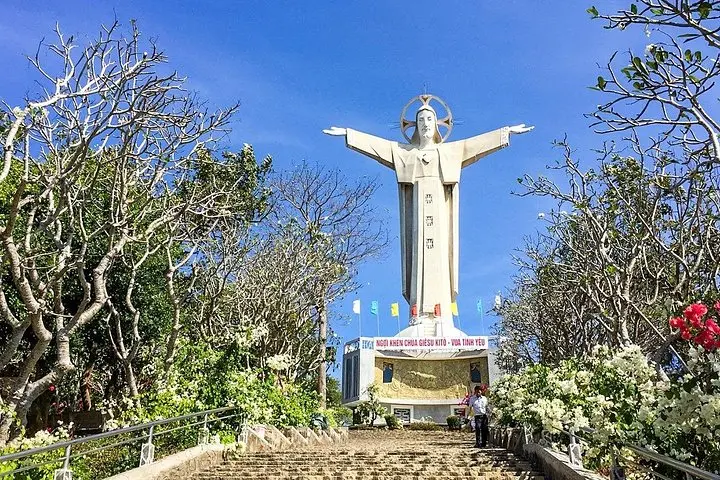
Take a relaxed day trip from Ho Chi Minh City to Vung Tau: climb to the 32‑meter Christ statue for coastal panoramas, tour the French-era Bach Dinh villa, enjoy a fresh seafood lunch, and find calm at Thich Ca Phat Dai temple. This easy, scenic escape mixes history, beach time, and local culture.
Take a relaxed day trip from Ho Chi Minh City to Vung Tau: climb to the 32‑meter Christ statue for coastal panoramas, tour the French-era Bach Dinh villa, enjoy a fresh seafood lunch, and find calm at Thich Ca Phat Dai temple. This easy, scenic escape mixes history, beach time, and local culture.
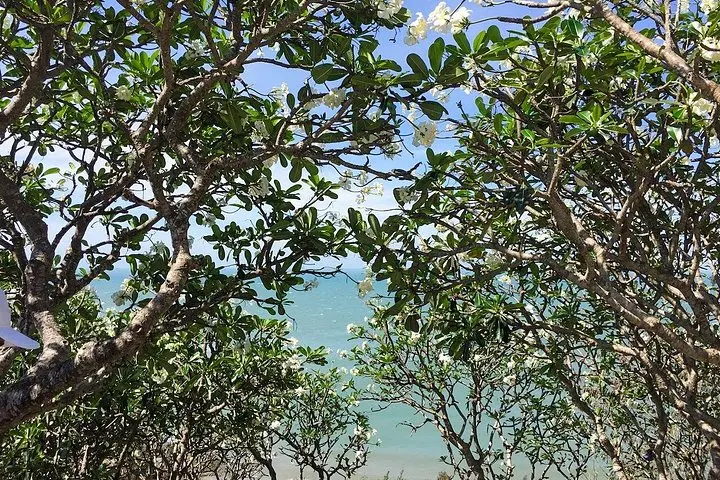
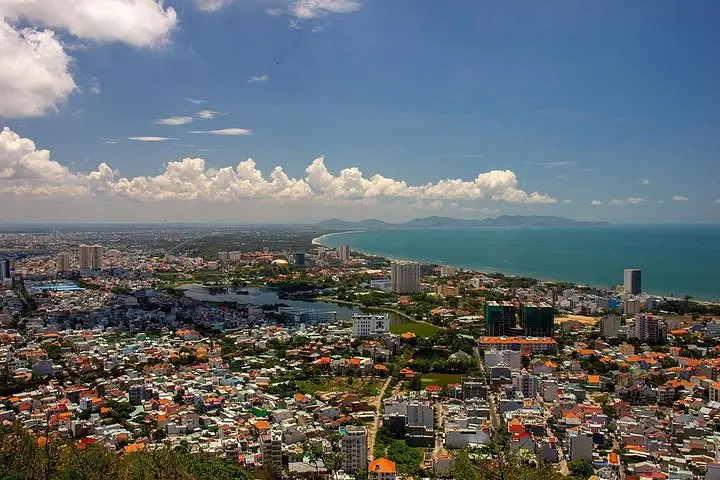
The road unfurls south from Ho Chi Minh City, palm-fringed highways giving way to coastal plains until Vung Tau’s shoreline appears like an invitation—golden sand meeting warm, clear water under a broad tropical sky.
Verified experiences and guided adventures in the surrounding area.
Operated by Hoi An Express Travel · Vung Tau, Ba Ria–Vung Tau
The road unfurls south from Ho Chi Minh City, palm-fringed highways giving way to coastal plains until Vung Tau’s shoreline appears like an invitation—golden sand meeting warm, clear water under a broad tropical sky.
This full-day outing begins with a roughly two-hour, air-conditioned drive, delivering you to the town’s main draws: the 32-meter Christ the King statue on Núi Nhỏ, the French-colonial grace of Bach Dinh Villa, a beachside seafood lunch, and the tranquil Thich Ca Phat Dai temple.
Vung Tau’s coastline sits on Pleistocene and Holocene coastal deposits; low headlands and broad beaches formed by wave action and sediment build-up. The Bach Dinh reflects early 20th-century colonial administration and the leisure culture of Indochina’s elite, while Thich Ca Phat Dai illustrates the region’s enduring Theravada and Mahayana traditions.
Expect short stair climbs to viewpoints, paved paths around the villa, and wide, forgiving sand at popular beaches for swimming or wading. The sea often tempts you—warm and gentle in the dry months, rougher during the monsoon.
Practical guidance: bring sun protection, swimwear and a towel, modest clothing for temple visits, and small cash for beach vendors. The tour includes hotel pickup and drop-off, bottled water, entrance fees and lunch; the pace is relaxed with time for a swim and photos. Mobility-friendly options exist, but stair access to some viewpoints is required. Plan midweek departures to avoid local weekend crowds and morning travel to beat midday heat.
The trip includes an approximately two-hour, air-conditioned drive each way, depending on traffic.
The statue offers panoramic views but requires stair climbing to reach the base; there are flatter viewpoints elsewhere if mobility is limited.
Yes—there is leisure time at the beach for swimming or sunbathing, but conditions vary with season; follow local advice and lifeguard flags.
Typical inclusions are hotel pickup and drop-off in Ho Chi Minh City center, bottled water, entrance fees, and a seafood lunch as listed by the operator.
Hoi An Express Travel operates guided outdoor trips and adventures with an emphasis on safety, stewardship, and memorable experiences.
The road unfurls south from Ho Chi Minh City, palm-fringed highways giving way to coastal plains until Vung Tau’s shoreline appears like an invitation—golden sand meeting warm, clear water under a broad tropical sky.
The road unfurls south from Ho Chi Minh City, palm-fringed highways giving way to coastal plains until Vung Tau’s shoreline appears like an invitation—golden sand meeting warm, clear water under a broad tropical sky.
This full-day outing begins with a roughly two-hour, air-conditioned drive, delivering you to the town’s main draws: the 32-meter Christ the King statue on Núi Nhỏ, the French-colonial grace of Bach Dinh Villa, a beachside seafood lunch, and the tranquil Thich Ca Phat Dai temple.
Vung Tau’s coastline sits on Pleistocene and Holocene coastal deposits; low headlands and broad beaches formed by wave action and sediment build-up. The Bach Dinh reflects early 20th-century colonial administration and the leisure culture of Indochina’s elite, while Thich Ca Phat Dai illustrates the region’s enduring Theravada and Mahayana traditions.
Expect short stair climbs to viewpoints, paved paths around the villa, and wide, forgiving sand at popular beaches for swimming or wading. The sea often tempts you—warm and gentle in the dry months, rougher during the monsoon.
Practical guidance: bring sun protection, swimwear and a towel, modest clothing for temple visits, and small cash for beach vendors. The tour includes hotel pickup and drop-off, bottled water, entrance fees and lunch; the pace is relaxed with time for a swim and photos. Mobility-friendly options exist, but stair access to some viewpoints is required. Plan midweek departures to avoid local weekend crowds and morning travel to beat midday heat.