THE ADVENTURE COLLECTIVE® · Independent discovery and booking for outdoor travel

Descend into the Wabasha Street Caves for an hour-long historic tour that traces 19th-century mining, a mushroom farm, and a 1930s gangster-era casino. Explore restored rooms, the original 60-foot bar, and firsthand stories of riverfront history.
Descend into the Wabasha Street Caves for an hour-long historic tour that traces 19th-century mining, a mushroom farm, and a 1930s gangster-era casino. Explore restored rooms, the original 60-foot bar, and firsthand stories of riverfront history.
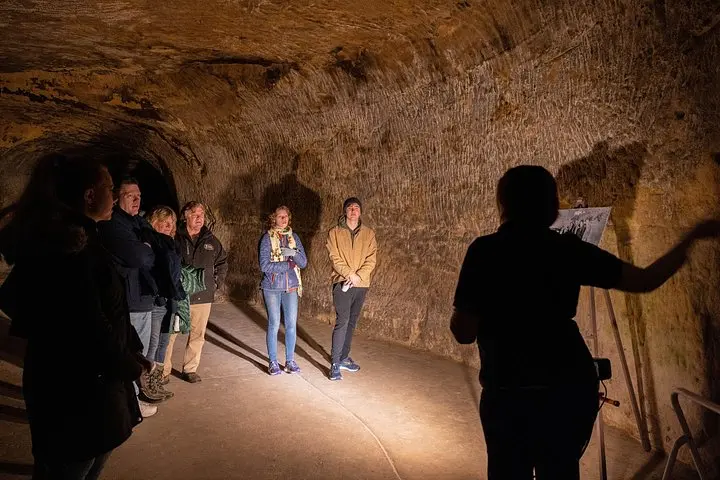
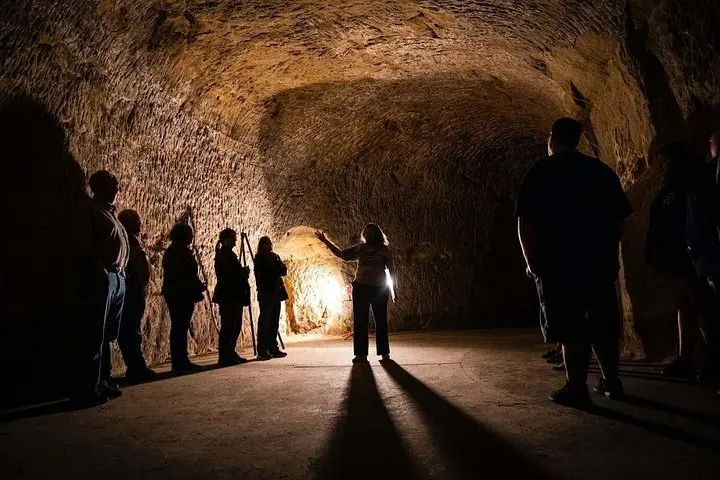
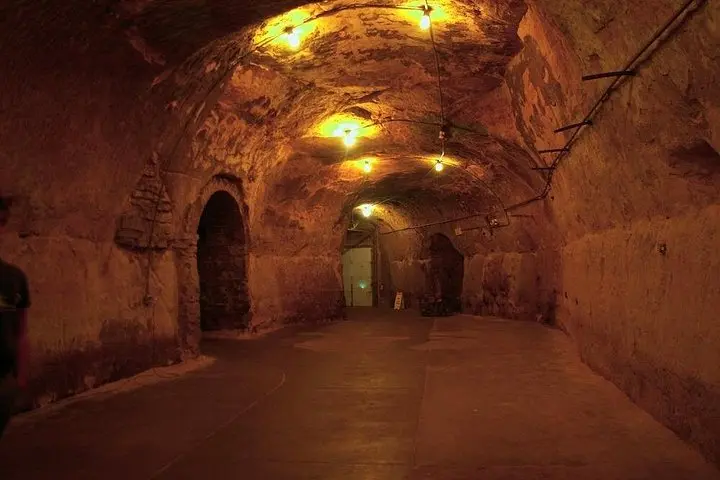
You step off Wabasha Street into a cool corridor that was cut by miners and later repurposed by entrepreneurs with wilder ambitions. The air is steady and a few degrees cooler than the summer street; lights pick out brick arches, a restored 1930s bar, and, if you look closely, the shadow of a bullet hole in the stone where a newspaper once made headlines.
Verified experiences and guided adventures in the surrounding area.
Operated by Wabasha Street Caves · Saint Paul, Minnesota
You step off Wabasha Street into a cool corridor that was cut by miners and later repurposed by entrepreneurs with wilder ambitions. The air is steady and a few degrees cooler than the summer street; lights pick out brick arches, a restored 1930s bar, and, if you look closely, the shadow of a bullet hole in the stone where a newspaper once made headlines.
These caves began as sandstone excavations in the 1800s and were reshaped through multiple lives: storage, a mushroom farm, and a Prohibition-era casino and bar. Guides point to architectural seams and patched masonry while telling stories of gangland whispers and an unsolved murder from the 1930s. Geologically the hollowed sandstone holds heat differently than the riverfront above it, creating consistent temperatures that kept produce — and later revelers — comfortable.
The tour balances theatrical retelling with physical artifacts: the sixty-foot restored bar, dining rooms carved into rock, and bullet-scored plaster. Cultural notes are intimate — immigrant labor that dug the caves, shifting river commerce, and how civic attitudes toward the riverfront changed across a century.
Practical guidance: tours run about an hour, are accessible for most visitors, and include restroom facilities. Wear grippy, closed-toe shoes and a light layer — caves sit several degrees cooler year-round. Photography is permitted but be respectful in dim areas. If you have mobility needs, the site reports wheelchair accessibility, but check ahead for group sizes or special events. Arrive early to secure parking and a good spot near the restored bar for photos; the cave’s low ceilings and uneven steps reward attentive pacing more than speed.
The guided tour lasts approximately one hour and starts from the ticketing area to the left of the main entrance.
The site reports wheelchair accessibility for main areas, but if you have specific mobility needs call ahead to confirm accommodations for your tour time.
Yes; tours are appropriate for all ages, though the provider recommends ages 5 and up due to attention span and confined spaces.
Photography is generally allowed; please be mindful of low light, avoid flash where requested, and don’t touch historical artifacts.
Wabasha Street Caves operates guided outdoor trips and adventures with an emphasis on safety, stewardship, and memorable experiences.
You step off Wabasha Street into a cool corridor that was cut by miners and later repurposed by entrepreneurs with wilder ambitions. The air is steady and a few degrees cooler than the summer street; lights pick out brick arches, a restored 1930s bar, and, if you look closely, the shadow of a bullet hole in the stone where a newspaper once made headlines.
You step off Wabasha Street into a cool corridor that was cut by miners and later repurposed by entrepreneurs with wilder ambitions. The air is steady and a few degrees cooler than the summer street; lights pick out brick arches, a restored 1930s bar, and, if you look closely, the shadow of a bullet hole in the stone where a newspaper once made headlines.
These caves began as sandstone excavations in the 1800s and were reshaped through multiple lives: storage, a mushroom farm, and a Prohibition-era casino and bar. Guides point to architectural seams and patched masonry while telling stories of gangland whispers and an unsolved murder from the 1930s. Geologically the hollowed sandstone holds heat differently than the riverfront above it, creating consistent temperatures that kept produce — and later revelers — comfortable.
The tour balances theatrical retelling with physical artifacts: the sixty-foot restored bar, dining rooms carved into rock, and bullet-scored plaster. Cultural notes are intimate — immigrant labor that dug the caves, shifting river commerce, and how civic attitudes toward the riverfront changed across a century.
Practical guidance: tours run about an hour, are accessible for most visitors, and include restroom facilities. Wear grippy, closed-toe shoes and a light layer — caves sit several degrees cooler year-round. Photography is permitted but be respectful in dim areas. If you have mobility needs, the site reports wheelchair accessibility, but check ahead for group sizes or special events. Arrive early to secure parking and a good spot near the restored bar for photos; the cave’s low ceilings and uneven steps reward attentive pacing more than speed.