THE ADVENTURE COLLECTIVE® · Independent discovery and booking for outdoor travel

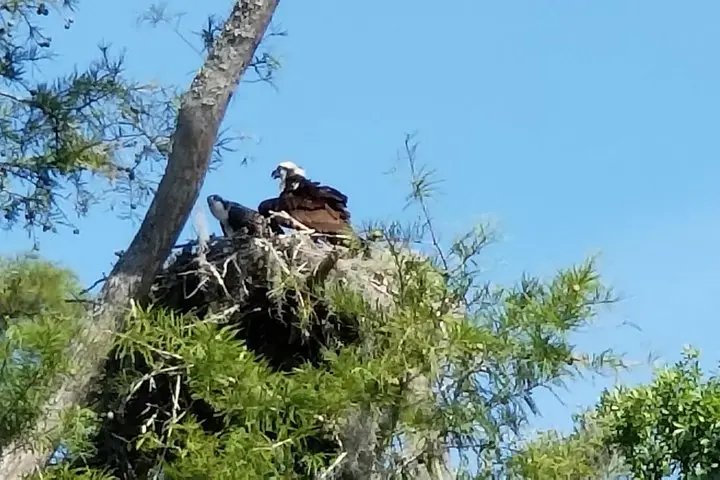
Float down the moss-lined Waccamaw River on a two-hour guided wildlife tour from the Myrtle Beach area. Expect close views of osprey nests, herons, and slow-moving swamp habitats with expert narration and accessible boarding.
Float down the moss-lined Waccamaw River on a two-hour guided wildlife tour from the Myrtle Beach area. Expect close views of osprey nests, herons, and slow-moving swamp habitats with expert narration and accessible boarding.
The boat slips away from a quiet dock and the Waccamaw reaches out, moss-draped cypress branches lowering to brush the hull like old hands guiding you downriver.
Verified experiences and guided adventures in the surrounding area.
Operated by Waccamaw River Tours · Myrtle Beach, SC
The boat slips away from a quiet dock and the Waccamaw reaches out, moss-draped cypress branches lowering to brush the hull like old hands guiding you downriver.
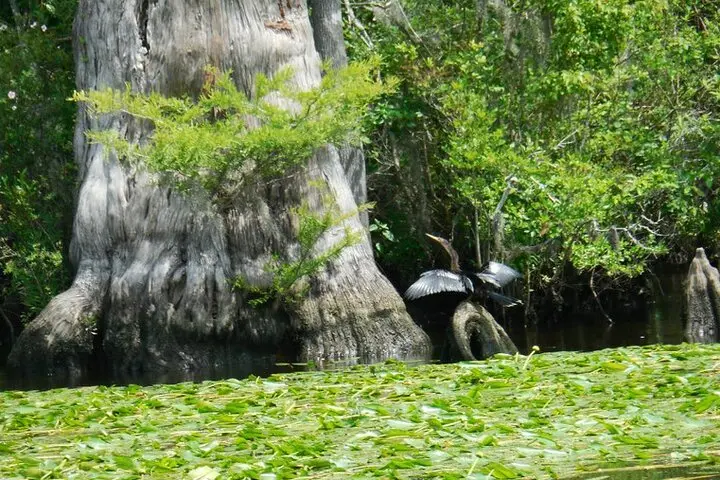
This two-hour tour threads through back creeks and swamp channels that make up the southern reaches of the Waccamaw River and adjacent Intracoastal Waterway. Geologically the river follows a low-relief coastal plain carved after the last ice age; its tannic waters are slow and deep, with stands of bald cypress and tupelo that slow time and become habitat. Culturally, the river has long supported local fishing, rice and timber economies and today is partially protected as a National Wildlife Refuge, where osprey, herons, and marsh birds are the most visible residents.
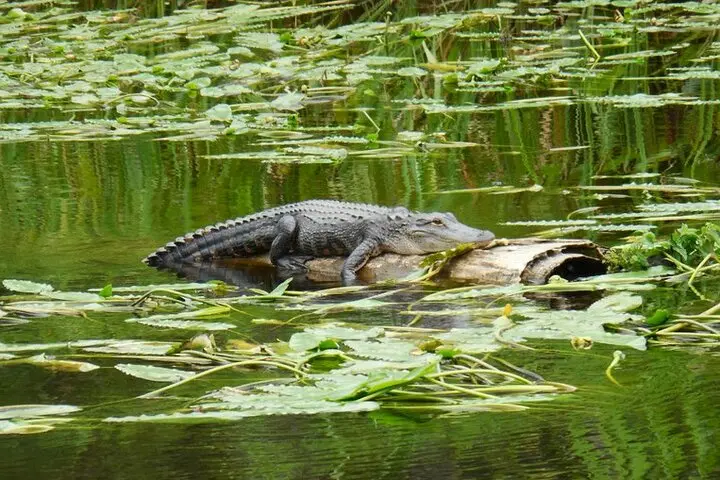
Expect interpretive narration from the captain, steady, shallow-draft boating, and frequent stops or slow cruises past nesting platforms and small sandbars. Wildlife spotting is the draw—look for nesting ospreys, herons and occasional alligator sunning on the bank. The landscape changes gently but noticeably from open marsh to enclosed swamp; tides and seasonal rains alter sightlines.
Practical notes: arrive at least 30 minutes early to check in, bring binoculars and sun protection, and plan for limited shade on the deck. Tours run year-round but bird activity peaks in spring and fall migration; summer brings mosquitoes—treat skin accordingly. The experience is accessible and relaxed, suitable for families and first-time boaters seeking a slow, observational river trip rather than a sport outing.
Yes—dock and boat access are described as wheelchair accessible; contact the operator ahead of time to arrange assistance.
Yes—families are welcome and strollers are accommodated; children should remain seated during the cruise.
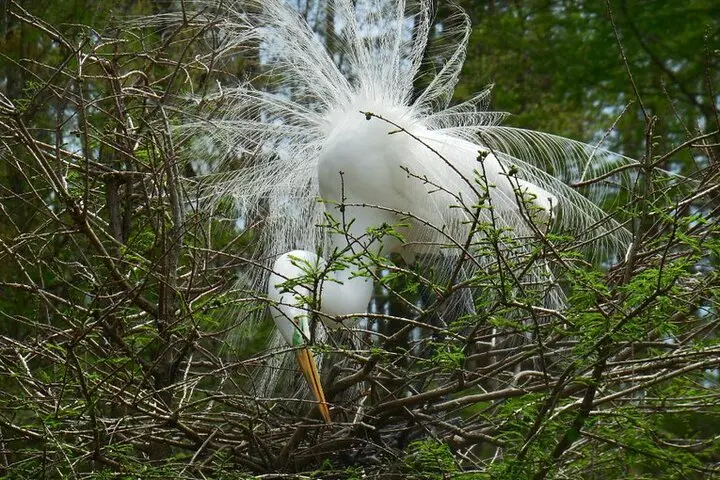
Expect shorebirds, herons, egrets, occasional cormorants, turtles, and frequently osprey; alligators are possible but sightings vary by season.
Wear comfortable, non-slip shoes and layered clothing; bring sun protection and a light jacket for wind on the water.
Waccamaw River Tours operates guided outdoor trips and adventures with an emphasis on safety, stewardship, and memorable experiences.
The boat slips away from a quiet dock and the Waccamaw reaches out, moss-draped cypress branches lowering to brush the hull like old hands guiding you downriver.
The boat slips away from a quiet dock and the Waccamaw reaches out, moss-draped cypress branches lowering to brush the hull like old hands guiding you downriver.
This two-hour tour threads through back creeks and swamp channels that make up the southern reaches of the Waccamaw River and adjacent Intracoastal Waterway. Geologically the river follows a low-relief coastal plain carved after the last ice age; its tannic waters are slow and deep, with stands of bald cypress and tupelo that slow time and become habitat. Culturally, the river has long supported local fishing, rice and timber economies and today is partially protected as a National Wildlife Refuge, where osprey, herons, and marsh birds are the most visible residents.
Expect interpretive narration from the captain, steady, shallow-draft boating, and frequent stops or slow cruises past nesting platforms and small sandbars. Wildlife spotting is the draw—look for nesting ospreys, herons and occasional alligator sunning on the bank. The landscape changes gently but noticeably from open marsh to enclosed swamp; tides and seasonal rains alter sightlines.
Practical notes: arrive at least 30 minutes early to check in, bring binoculars and sun protection, and plan for limited shade on the deck. Tours run year-round but bird activity peaks in spring and fall migration; summer brings mosquitoes—treat skin accordingly. The experience is accessible and relaxed, suitable for families and first-time boaters seeking a slow, observational river trip rather than a sport outing.