THE ADVENTURE COLLECTIVE® · Independent discovery and booking for outdoor travel

Explore Wadi al Hitan’s world-class whale fossils, sandboard the dunes, and visit the surprising lakes and waterfalls of the Faiyum desert on a full-day tour from Cairo. This guided trip mixes short walks, museum interpretation and scenic stops across an 8–10 hour day.
Explore Wadi al Hitan’s world-class whale fossils, sandboard the dunes, and visit the surprising lakes and waterfalls of the Faiyum desert on a full-day tour from Cairo. This guided trip mixes short walks, museum interpretation and scenic stops across an 8–10 hour day.
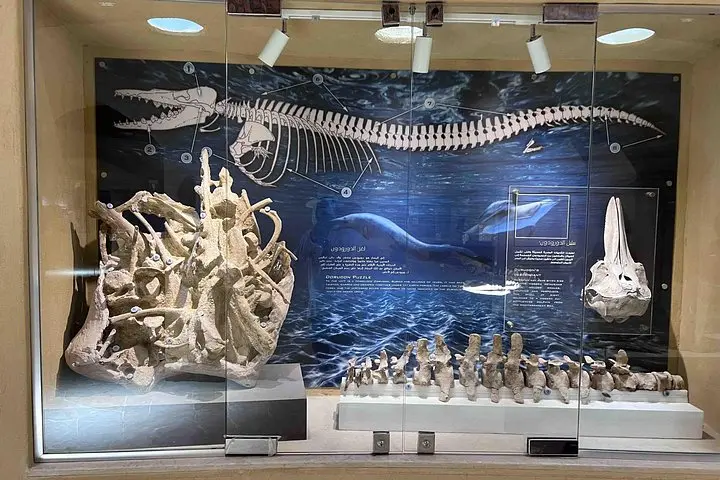
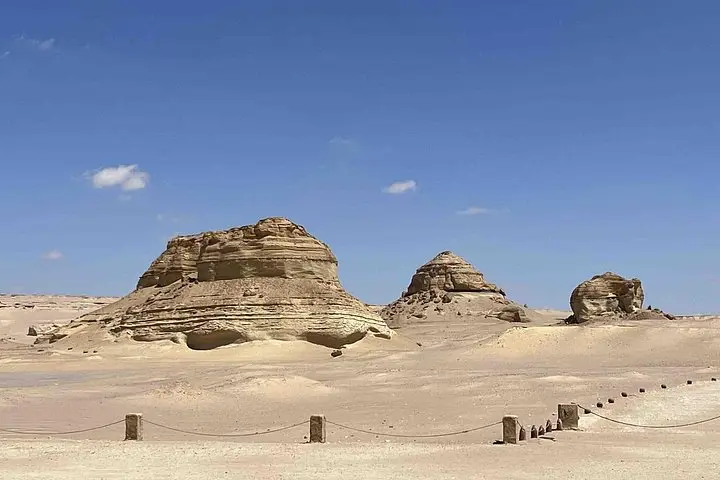
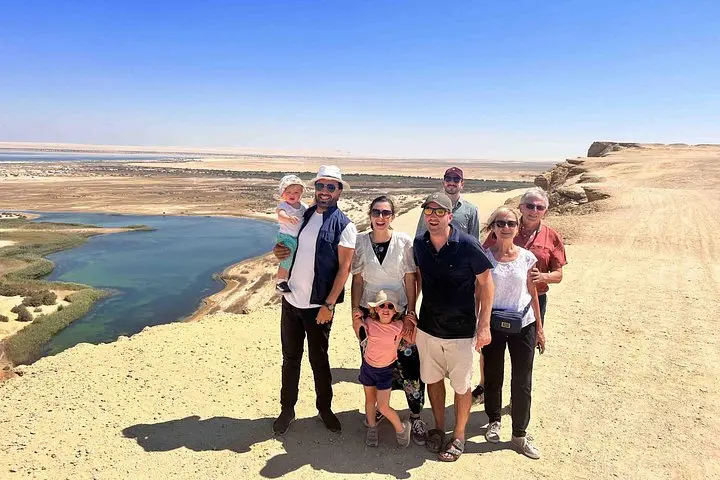
You step off the 4x4 into a dry wind that seems to be reading your map — sand nudging at boots, a distant line of low cliffs catching the sun. In minutes the desert shifts character: fossilized whale skulls lie like punctuation marks in the hardpan and, further on, a shallow blue lake cuts an impossible stripe across the sand.
Verified experiences and guided adventures in the surrounding area.
Operated by MyEgyTours · Faiyum, Faiyum Governorate
You step off the 4x4 into a dry wind that seems to be reading your map — sand nudging at boots, a distant line of low cliffs catching the sun. In minutes the desert shifts character: fossilized whale skulls lie like punctuation marks in the hardpan and, further on, a shallow blue lake cuts an impossible stripe across the sand.
Wadi al Hitan (Whales Valley) is a globally significant Eocene fossil site, designated a UNESCO World Heritage Site in 2005 for its whale ancestors preserved where they once ambled between sea and shore. Nearby Wadi El Rayan supports spring-fed lakes, seasonal waterfalls and Qarun Lake, a cultural landmark tied to millennia of Fayum agriculture and irrigation.
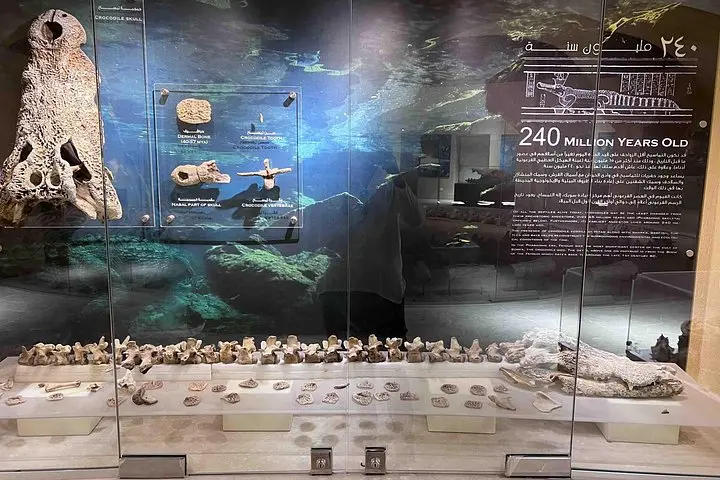
The experience blends short, interpretive stops at the museum with light walks to fossil beds, a chance to sandboard across dunes, and a break at the so-called Magic Lake. Local guides explain the geology: continental uplift, ancient seaways and the slow march of evolution recorded in bone and rock.
Practically: tours run 8–10 hours from Cairo (about 100 km southwest). Expect dusty tracks, sheltered museum exhibits, and some uneven, sandy walking near fossil sites — many areas are accessible but not all flat. Bring sun protection, ample water, sturdy closed shoes and a camera with spare batteries. Respect signage: fossils are protected; don’t touch or remove specimens. Timing matters — go early or late in the day for cooler light and softer sand. The route rewards curiosity: a desert that keeps its fossils and its surprises, daring you to read the story written in stone.
Typical departures are from Cairo with a full-day itinerary lasting about 8–10 hours, covering Wadi al Hitan, Wadi El Rayan and Qarun Lake.
Many transit and museum areas are wheelchair accessible, though some fossil exposures and dune areas involve uneven sand and may be difficult without assistance.
Photography is generally allowed; touching or removing fossils is prohibited to protect the sites — always follow your guide's instructions.
Autumn through spring (October–April) offers cooler temperatures and more pleasant walking conditions; summer can be very hot mid-day.
MyEgyTours operates guided outdoor trips and adventures with an emphasis on safety, stewardship, and memorable experiences.
You step off the 4x4 into a dry wind that seems to be reading your map — sand nudging at boots, a distant line of low cliffs catching the sun. In minutes the desert shifts character: fossilized whale skulls lie like punctuation marks in the hardpan and, further on, a shallow blue lake cuts an impossible stripe across the sand.
You step off the 4x4 into a dry wind that seems to be reading your map — sand nudging at boots, a distant line of low cliffs catching the sun. In minutes the desert shifts character: fossilized whale skulls lie like punctuation marks in the hardpan and, further on, a shallow blue lake cuts an impossible stripe across the sand.
Wadi al Hitan (Whales Valley) is a globally significant Eocene fossil site, designated a UNESCO World Heritage Site in 2005 for its whale ancestors preserved where they once ambled between sea and shore. Nearby Wadi El Rayan supports spring-fed lakes, seasonal waterfalls and Qarun Lake, a cultural landmark tied to millennia of Fayum agriculture and irrigation.
The experience blends short, interpretive stops at the museum with light walks to fossil beds, a chance to sandboard across dunes, and a break at the so-called Magic Lake. Local guides explain the geology: continental uplift, ancient seaways and the slow march of evolution recorded in bone and rock.
Practically: tours run 8–10 hours from Cairo (about 100 km southwest). Expect dusty tracks, sheltered museum exhibits, and some uneven, sandy walking near fossil sites — many areas are accessible but not all flat. Bring sun protection, ample water, sturdy closed shoes and a camera with spare batteries. Respect signage: fossils are protected; don’t touch or remove specimens. Timing matters — go early or late in the day for cooler light and softer sand. The route rewards curiosity: a desert that keeps its fossils and its surprises, daring you to read the story written in stone.