THE ADVENTURE COLLECTIVE® · Independent discovery and booking for outdoor travel

Swap city noise for limestone pools and shifting dunes on this two-day Muscat departure. Swim in Wadi Bani Khalid’s clear pools, spend a night in a Bedouin camp in Wahiba Sands, and explore the mudbrick lanes of Ibra.
Swap city noise for limestone pools and shifting dunes on this two-day Muscat departure. Swim in Wadi Bani Khalid’s clear pools, spend a night in a Bedouin camp in Wahiba Sands, and explore the mudbrick lanes of Ibra.
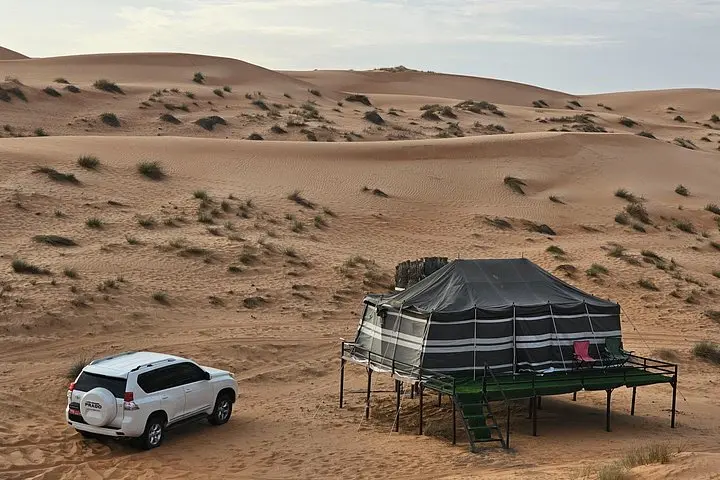
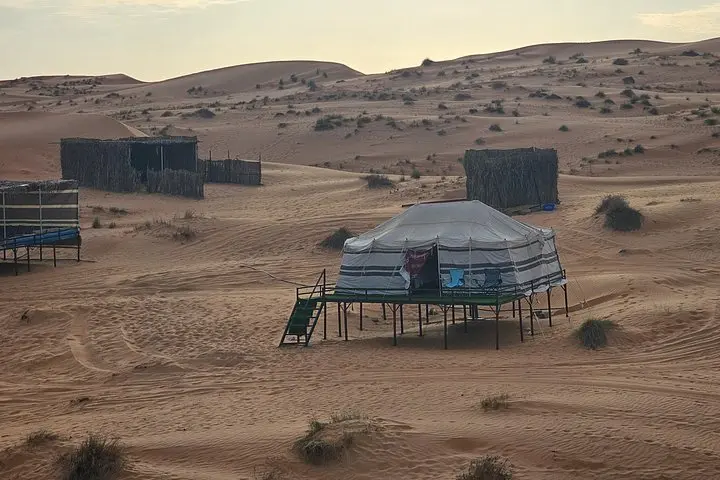
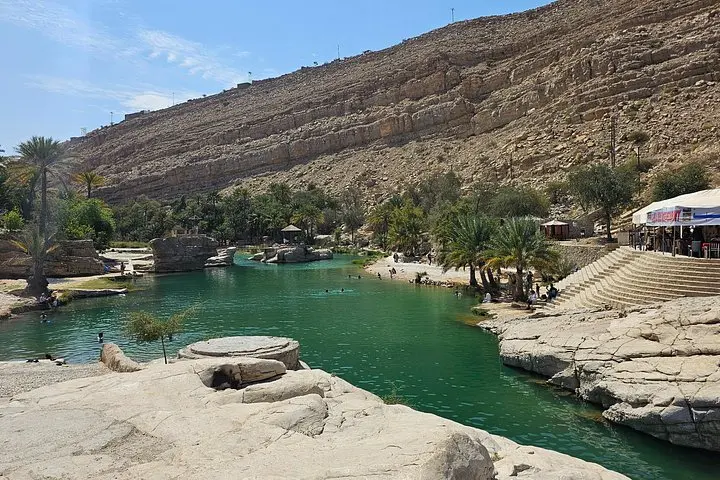
The dawn lifts off Muscat and your 4x4 hums east across flats that slowly harden into ochre dunes. By mid-morning the highway gives way to a ribbon of mountain road and the wadi opens — emerald pools cupped in limestone, water daring you to step in and cool off. That afternoon the vehicle traces a different pulse: wind-sculpted dunes of Wahiba Sands where the sand pushes and settles under each tire, and the camp’s low tents promise salt-of-the-earth quiet until sunrise.
Verified experiences and guided adventures in the surrounding area.
Operated by OMANI TOURS · Bidiyah, Ash Sharqiyah
The dawn lifts off Muscat and your 4x4 hums east across flats that slowly harden into ochre dunes. By mid-morning the highway gives way to a ribbon of mountain road and the wadi opens — emerald pools cupped in limestone, water daring you to step in and cool off. That afternoon the vehicle traces a different pulse: wind-sculpted dunes of Wahiba Sands where the sand pushes and settles under each tire, and the camp’s low tents promise salt-of-the-earth quiet until sunrise.
Wadi Bani Khalid is shaped by fractured carbonate rock that traps groundwater, creating perennial pools used for generations by farming communities. Wahiba (Sharqiya) Sands formed from windblown dune systems that shift with seasonal winds; the Bedouin presence here dates centuries and is visible in mudbrick towns like Ibra, with tight alleys and stamped-earth houses.
Practical guidance: plan roughly 2 days (2–3 hours driving each way from Muscat, depending on stops). Terrain varies — paved roads to the wadi, rocky steps and shallow swims at the pools, then soft desert sand where a high-clearance 4WD is required. Bring sun protection and 3–4 liters of water per day, quick-dry clothing, and footwear that can handle both slick rock and deep sand. Respect local customs — modest dress is expected, especially in villages and during camp visits.
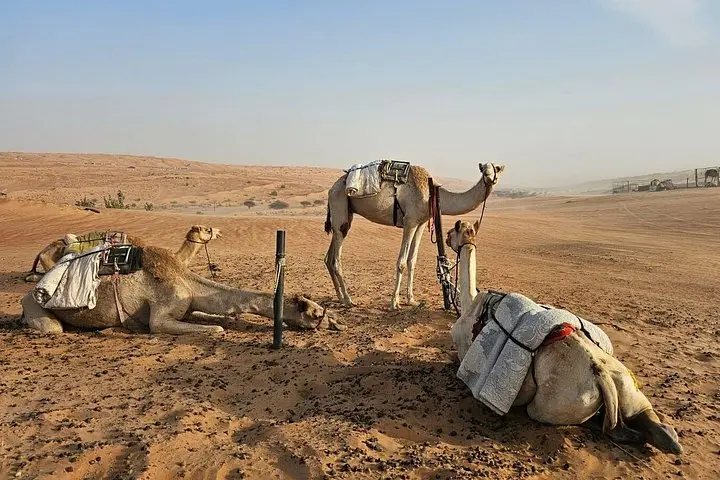
Activities include swimming in natural pools, an overnight Bedouin-style camp, optional camel rides and dune-bashing or quad rental at sunrise. The tour balances low-impact exploration with hands-on cultural moments; move slowly, leave no trace, and let the desert show its quieter rhythms.
Yes — visitors commonly swim in the natural pools; take care on slippery rock and avoid disturbing local water use areas.
Yes — transfers into Wahiba Sands use a high-clearance 4x4; the operator provides the vehicle and driver for dune access.
Meals listed (lunch, dinner, breakfast) and a standard desert camp accommodation are included in the tour package as specified.
Generally yes — the tour is rated easy and suitable for most fitness levels, but it’s not recommended for travelers with serious back, heart, or pregnancy-related conditions.
OMANI TOURS operates guided outdoor trips and adventures with an emphasis on safety, stewardship, and memorable experiences.
The dawn lifts off Muscat and your 4x4 hums east across flats that slowly harden into ochre dunes. By mid-morning the highway gives way to a ribbon of mountain road and the wadi opens — emerald pools cupped in limestone, water daring you to step in and cool off. That afternoon the vehicle traces a different pulse: wind-sculpted dunes of Wahiba Sands where the sand pushes and settles under each tire, and the camp’s low tents promise salt-of-the-earth quiet until sunrise.
The dawn lifts off Muscat and your 4x4 hums east across flats that slowly harden into ochre dunes. By mid-morning the highway gives way to a ribbon of mountain road and the wadi opens — emerald pools cupped in limestone, water daring you to step in and cool off. That afternoon the vehicle traces a different pulse: wind-sculpted dunes of Wahiba Sands where the sand pushes and settles under each tire, and the camp’s low tents promise salt-of-the-earth quiet until sunrise.
Wadi Bani Khalid is shaped by fractured carbonate rock that traps groundwater, creating perennial pools used for generations by farming communities. Wahiba (Sharqiya) Sands formed from windblown dune systems that shift with seasonal winds; the Bedouin presence here dates centuries and is visible in mudbrick towns like Ibra, with tight alleys and stamped-earth houses.
Practical guidance: plan roughly 2 days (2–3 hours driving each way from Muscat, depending on stops). Terrain varies — paved roads to the wadi, rocky steps and shallow swims at the pools, then soft desert sand where a high-clearance 4WD is required. Bring sun protection and 3–4 liters of water per day, quick-dry clothing, and footwear that can handle both slick rock and deep sand. Respect local customs — modest dress is expected, especially in villages and during camp visits.
Activities include swimming in natural pools, an overnight Bedouin-style camp, optional camel rides and dune-bashing or quad rental at sunrise. The tour balances low-impact exploration with hands-on cultural moments; move slowly, leave no trace, and let the desert show its quieter rhythms.