THE ADVENTURE COLLECTIVE® · Independent discovery and booking for outdoor travel

Swap Muscat’s coast for a two-day contrast of turquoise pools and rolling golden dunes. This private overnight pairs swimming in Wadi Bani Khalid with dune drives and a Bedouin-style camp in Wahiba Sands.
Swap Muscat’s coast for a two-day contrast of turquoise pools and rolling golden dunes. This private overnight pairs swimming in Wadi Bani Khalid with dune drives and a Bedouin-style camp in Wahiba Sands.
Morning light slices the canyon at Wadi Bani Khalid, where turquoise pools sit like cool eyes in sun-baked rock. Visitors arrive to the hiss of a small river cutting through the Hajar foothills, palms shading stone patios and narrow ledges that lead to year-round swimming holes. By late afternoon the party moves east: a private 4x4 crosses scrub and gravel toward the Wahiba Sands, where dunes rise in slow, living curves and the air tastes of sand and distance.
Verified experiences and guided adventures in the surrounding area.
Operated by Oman Honey Tours · Muscat, Ash Sharqiyah
Morning light slices the canyon at Wadi Bani Khalid, where turquoise pools sit like cool eyes in sun-baked rock. Visitors arrive to the hiss of a small river cutting through the Hajar foothills, palms shading stone patios and narrow ledges that lead to year-round swimming holes. By late afternoon the party moves east: a private 4x4 crosses scrub and gravel toward the Wahiba Sands, where dunes rise in slow, living curves and the air tastes of sand and distance.
Geology here is blunt and honest—the Hajar Mountains push up limestone and folded strata that channel seasonal water into permanent springs; the Wahiba field is wind-sculpted sand, loose and mobile, with dunes reaching scores of meters in height. Culturally, the route traces centuries of Bedouin movement; camps and small settlements still host travelers, offering dates, tea, and a glimpse of daily desert life.
Practically, expect roughly 3 hours driving from Muscat to Wadi Bani Khalid (about 200–220 km) and 1–2 hours between the wadi and a desert camp depending on where you cross into the sands. Wadi visits include short canyon hikes and safe swimming in clear pools; Wahiba activities center on dune driving, sunset views, camel or short hikes, and an overnight in a traditional camp or simple Bedouin house. Bring layered clothing for cool nights, sun protection, at least 2–3 liters of water, and sturdy shoes for rocky approaches and soft sand.
Timing matters: arrive at the wadi before midday to avoid crowds and use late afternoon for the desert when light and temperatures are forgiving. Respect local customs, leave no trace in fragile dune zones, and let the desert’s quiet dictate your pace.
Yes, the natural pools are popular and generally safe for swimming; exercise caution on slippery rock edges and avoid deep channels if you are not a confident swimmer.
Yes—dune driving requires a high-clearance, preferably 4x4 vehicle and an experienced local driver to navigate soft sand safely.
Camps vary: this overnight is in a traditional desert camp or Bedouin house—comfortable but simple, with shared facilities; check provider details for any upgraded options.
Reception is intermittent in remote desert zones; camps offer basic toilet facilities, but services can be simple and rustic compared to city hotels.
Oman Honey Tours operates guided outdoor trips and adventures with an emphasis on safety, stewardship, and memorable experiences.
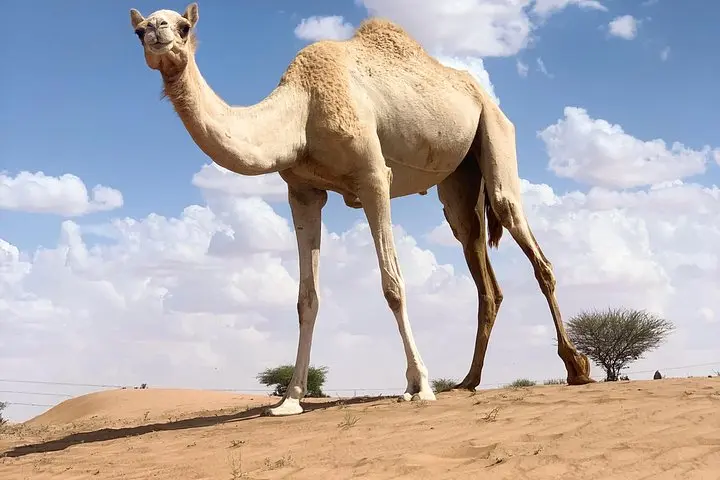
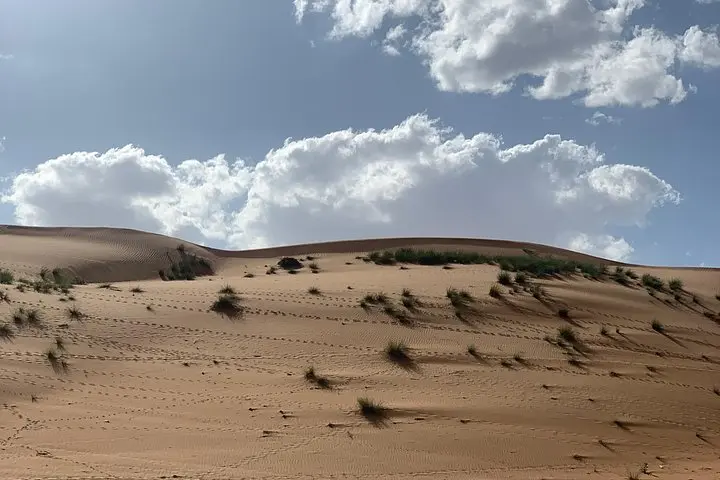
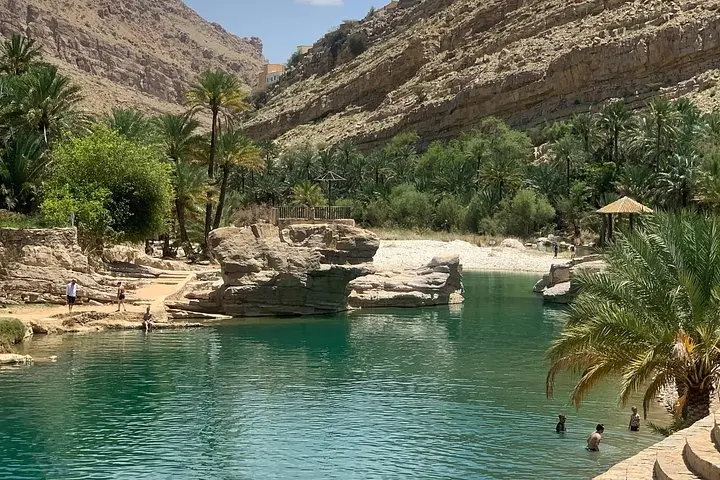
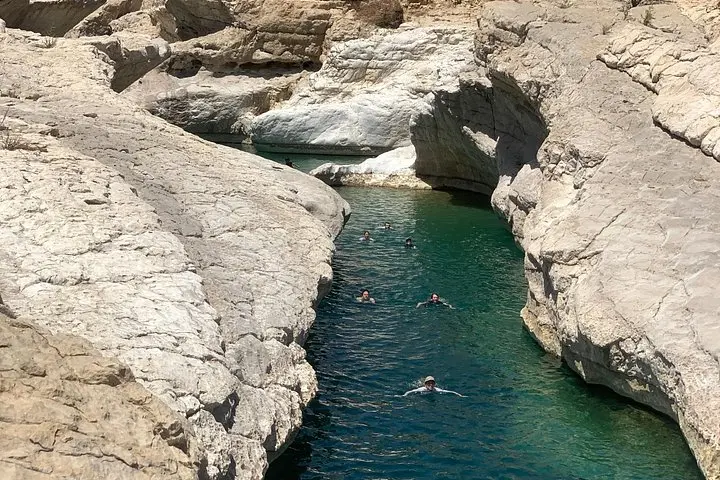
Morning light slices the canyon at Wadi Bani Khalid, where turquoise pools sit like cool eyes in sun-baked rock. Visitors arrive to the hiss of a small river cutting through the Hajar foothills, palms shading stone patios and narrow ledges that lead to year-round swimming holes. By late afternoon the party moves east: a private 4x4 crosses scrub and gravel toward the Wahiba Sands, where dunes rise in slow, living curves and the air tastes of sand and distance.
Morning light slices the canyon at Wadi Bani Khalid, where turquoise pools sit like cool eyes in sun-baked rock. Visitors arrive to the hiss of a small river cutting through the Hajar foothills, palms shading stone patios and narrow ledges that lead to year-round swimming holes. By late afternoon the party moves east: a private 4x4 crosses scrub and gravel toward the Wahiba Sands, where dunes rise in slow, living curves and the air tastes of sand and distance.
Geology here is blunt and honest—the Hajar Mountains push up limestone and folded strata that channel seasonal water into permanent springs; the Wahiba field is wind-sculpted sand, loose and mobile, with dunes reaching scores of meters in height. Culturally, the route traces centuries of Bedouin movement; camps and small settlements still host travelers, offering dates, tea, and a glimpse of daily desert life.
Practically, expect roughly 3 hours driving from Muscat to Wadi Bani Khalid (about 200–220 km) and 1–2 hours between the wadi and a desert camp depending on where you cross into the sands. Wadi visits include short canyon hikes and safe swimming in clear pools; Wahiba activities center on dune driving, sunset views, camel or short hikes, and an overnight in a traditional camp or simple Bedouin house. Bring layered clothing for cool nights, sun protection, at least 2–3 liters of water, and sturdy shoes for rocky approaches and soft sand.
Timing matters: arrive at the wadi before midday to avoid crowds and use late afternoon for the desert when light and temperatures are forgiving. Respect local customs, leave no trace in fragile dune zones, and let the desert’s quiet dictate your pace.