THE ADVENTURE COLLECTIVE® · Independent discovery and booking for outdoor travel

Drive out of Muscat for a full-day 4x4 that pairs the cool pools of Wadi Bani Khalid with the rolling dunes of Wahiba Sands. Expect scenic swims, technical dune runs, and cultural stops guided by local drivers.
Drive out of Muscat for a full-day 4x4 that pairs the cool pools of Wadi Bani Khalid with the rolling dunes of Wahiba Sands. Expect scenic swims, technical dune runs, and cultural stops guided by local drivers.
The morning light in Muscat falls flat and bright across the highway as a convoy of 4x4s hums toward the Hajar foothills. Within an hour the city noise thins and the landscape opens: palm-fringed wadis give way to rocky canyons, and eventually the sand rises in long, wind-sculpted waves that dare you to chase the horizon.
Verified experiences and guided adventures in the surrounding area.
Operated by Choolo Tour By Nasser · Muscat, Muscat Governorate
The morning light in Muscat falls flat and bright across the highway as a convoy of 4x4s hums toward the Hajar foothills. Within an hour the city noise thins and the landscape opens: palm-fringed wadis give way to rocky canyons, and eventually the sand rises in long, wind-sculpted waves that dare you to chase the horizon.
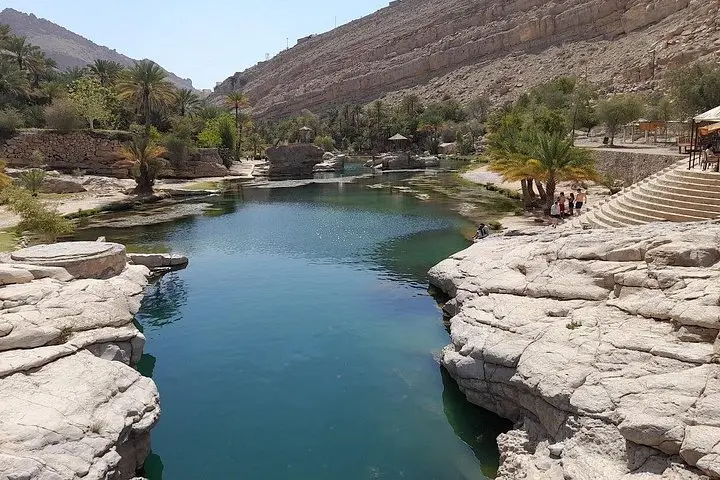
Start at Wadi Bani Khalid where clear pools collect under sheer cliffs and date palms cast cool shadows. The wadi’s limestone channels and spring-fed pools reflect centuries of human settlement—Bedouin routes, irrigation falaj systems, and seasonal grazing shaped the valley’s use. Geologically, the valley cuts through uplifted Hajar strata; in contrast, Wahiba Sands is recent Quaternary dunes formed by persistent northeasterly winds.
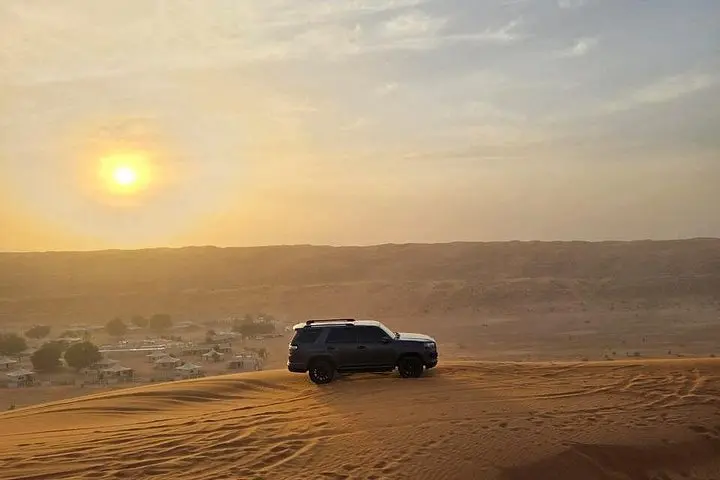
Culturally the day balances natural spectacle with Omani hospitality: expect a simple tea stop, local storytelling from guides, and a pace set for groups. In the dunes the 4x4 ride turns technical—cresting dunes, controlled descents, and sudden hollows demand attentive driving and passenger steadiness.
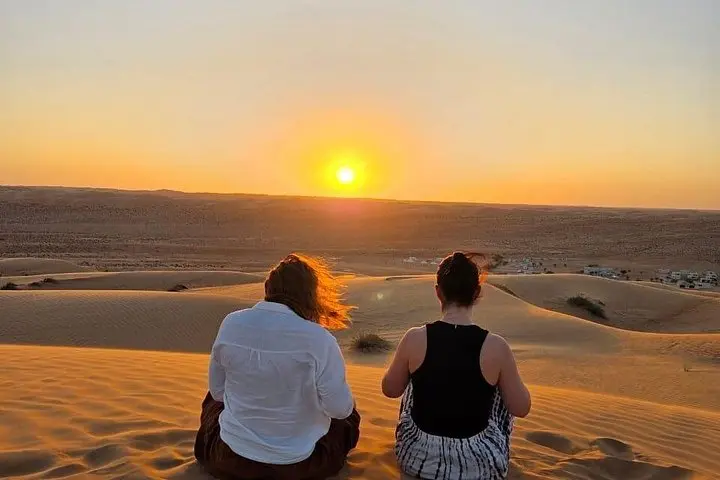
Practical guide: the trip is long (about nine hours door-to-door), so carry sun protection and at least 2–3 liters of water, wear closed shoes for walking on mixed terrain, and plan photos at mid-afternoon when light sculpts the dunes. If you’re prone to motion sickness, sit where you can brace and avoid heavy meals before dune runs. Respect private desert camps and avoid leaving trash; these ecosystems respond slowly to disturbance. By sunset, the sand glows and the day’s contrasts—green pools against golden dunes—leave a clear, honest impression of Oman’s wild edges.
Yes—there are natural pools for swimming; follow guide instructions and avoid using soaps to protect the water.
Dune driving includes steep climbs and fast descents; drivers are experienced but passengers should be prepared for strong vehicle motion.
Pickup is provided from Muscat hotels with morning windows (typically 07:30–08:00); confirm your pickup point at booking.
The operator lists stroller and wheelchair accessibility for most areas, but dune rides and swimming access may be limited—contact the provider with specific mobility needs.
Choolo Tour By Nasser operates guided outdoor trips and adventures with an emphasis on safety, stewardship, and memorable experiences.
The morning light in Muscat falls flat and bright across the highway as a convoy of 4x4s hums toward the Hajar foothills. Within an hour the city noise thins and the landscape opens: palm-fringed wadis give way to rocky canyons, and eventually the sand rises in long, wind-sculpted waves that dare you to chase the horizon.
The morning light in Muscat falls flat and bright across the highway as a convoy of 4x4s hums toward the Hajar foothills. Within an hour the city noise thins and the landscape opens: palm-fringed wadis give way to rocky canyons, and eventually the sand rises in long, wind-sculpted waves that dare you to chase the horizon.
Start at Wadi Bani Khalid where clear pools collect under sheer cliffs and date palms cast cool shadows. The wadi’s limestone channels and spring-fed pools reflect centuries of human settlement—Bedouin routes, irrigation falaj systems, and seasonal grazing shaped the valley’s use. Geologically, the valley cuts through uplifted Hajar strata; in contrast, Wahiba Sands is recent Quaternary dunes formed by persistent northeasterly winds.
Culturally the day balances natural spectacle with Omani hospitality: expect a simple tea stop, local storytelling from guides, and a pace set for groups. In the dunes the 4x4 ride turns technical—cresting dunes, controlled descents, and sudden hollows demand attentive driving and passenger steadiness.
Practical guide: the trip is long (about nine hours door-to-door), so carry sun protection and at least 2–3 liters of water, wear closed shoes for walking on mixed terrain, and plan photos at mid-afternoon when light sculpts the dunes. If you’re prone to motion sickness, sit where you can brace and avoid heavy meals before dune runs. Respect private desert camps and avoid leaving trash; these ecosystems respond slowly to disturbance. By sunset, the sand glows and the day’s contrasts—green pools against golden dunes—leave a clear, honest impression of Oman’s wild edges.