THE ADVENTURE COLLECTIVE® · Independent discovery and booking for outdoor travel

Escape Cairo for six hours and walk Wadi Degla’s limestone gorge—tight canyons, a bat cave, ridge views, and mixed terrain a short drive from the city. This half-day trek balances accessible route options with real canyon hiking.
Escape Cairo for six hours and walk Wadi Degla’s limestone gorge—tight canyons, a bat cave, ridge views, and mixed terrain a short drive from the city. This half-day trek balances accessible route options with real canyon hiking.
The first steps drop away from Cairo’s hum and into a sun-warmed limestone throat: Wadi Degla’s canyon narrows, cliffs lean in, and the air smells of dust and dry scrub. Gravel crunches underfoot as the group climbs the left ridge, the city shrinking behind you, then pauses at a saddle with views that make the urban grid seem incidental.
Verified experiences and guided adventures in the surrounding area.
Operated by Wadi Degla Tours · Cairo, Cairo Governorate
The first steps drop away from Cairo’s hum and into a sun-warmed limestone throat: Wadi Degla’s canyon narrows, cliffs lean in, and the air smells of dust and dry scrub. Gravel crunches underfoot as the group climbs the left ridge, the city shrinking behind you, then pauses at a saddle with views that make the urban grid seem incidental.
Geologically, Wadi Degla is a carved limestone gorge formed by ancient Nile floodwaters and seasonal run-off. Human history here is quieter than the capital’s—nomadic routes and shepherd tracks shaped the trails more than empires—but the gorge has long served as a natural corridor between higher desert plateaus and the Nile valley. Along the way you pass compacted rock ledges, fossiliferous limestone, and a small bat cave whose grazes of guano hint at a nocturnal community.
This six-hour route weaves ascents and descents: expect several kilometers of mixed trail, short exposed scrambles, and cumulative elevation change of roughly 250–350 m depending on the chosen lines. Surface conditions range from stable packed soil to loose scree; footwear with good grip matters. Water is provided, but bring extra; the sun is relentless in summer and can sap energy quickly.
Plan for early starts to avoid midday heat, carry layered clothing for wind on the ridge, and conserve boots-on-time for the return descent. The itinerary is flexible—choose the tougher canyon-floor descent if you want technical steps, or a gentler exit for a steadier pace. Wadi Degla rewards attention: small geological details, birdlife on the cliffs, and a feeling of real wilderness minutes from the city.
The tour runs about six hours and covers several kilometers with cumulative elevation gain around 250–350 m; expect moderate effort with some short scrambles.
Bottled water is included, but bring extra, especially in summer when temperatures are high.
Facilities are limited—use restrooms before you start and plan for natural stops on the trail.
Yes—guides tailor pace and route; however participants should be comfortable walking uneven ground for multiple hours.
Wadi Degla Tours operates guided outdoor trips and adventures with an emphasis on safety, stewardship, and memorable experiences.
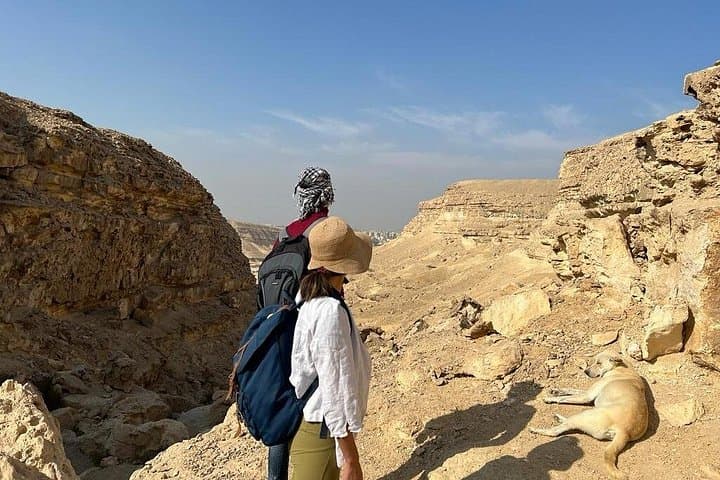
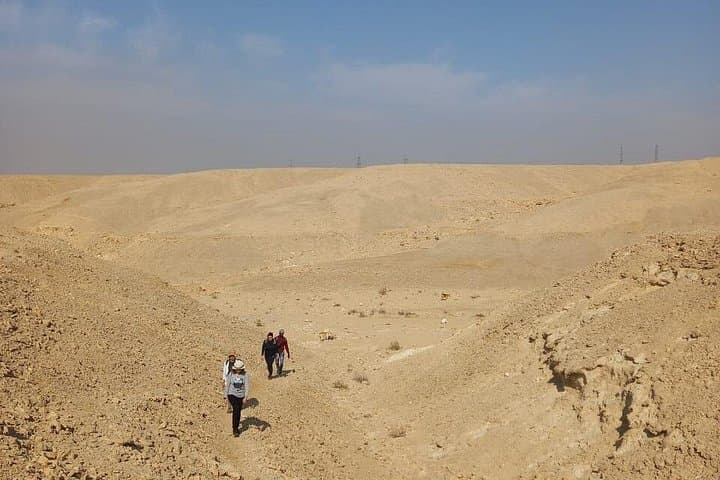
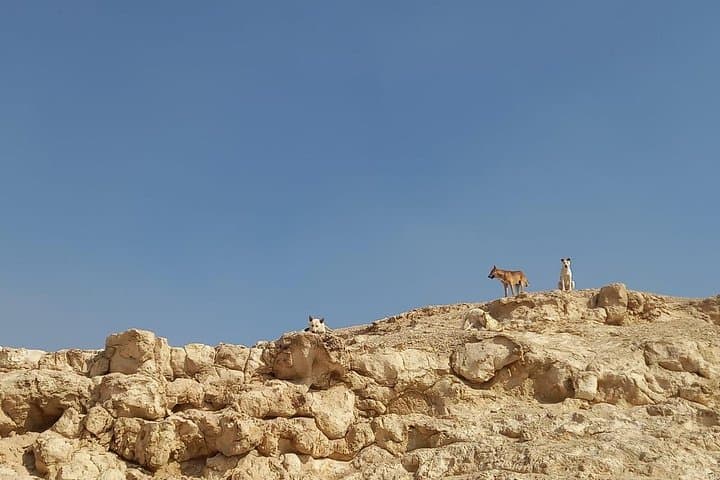
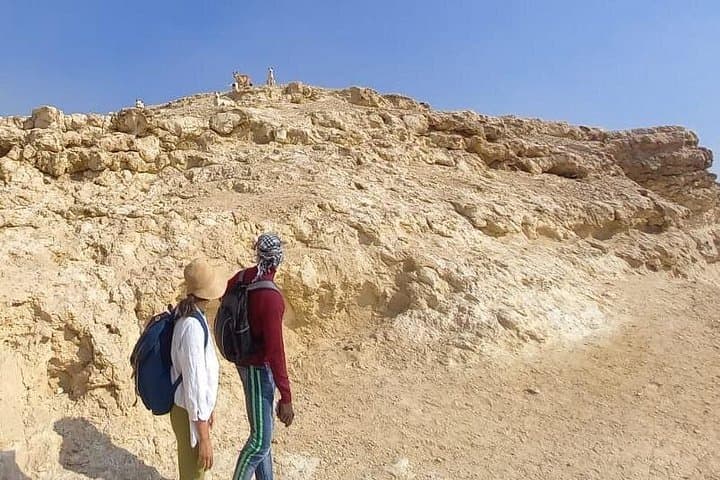
The first steps drop away from Cairo’s hum and into a sun-warmed limestone throat: Wadi Degla’s canyon narrows, cliffs lean in, and the air smells of dust and dry scrub. Gravel crunches underfoot as the group climbs the left ridge, the city shrinking behind you, then pauses at a saddle with views that make the urban grid seem incidental.
The first steps drop away from Cairo’s hum and into a sun-warmed limestone throat: Wadi Degla’s canyon narrows, cliffs lean in, and the air smells of dust and dry scrub. Gravel crunches underfoot as the group climbs the left ridge, the city shrinking behind you, then pauses at a saddle with views that make the urban grid seem incidental.
Geologically, Wadi Degla is a carved limestone gorge formed by ancient Nile floodwaters and seasonal run-off. Human history here is quieter than the capital’s—nomadic routes and shepherd tracks shaped the trails more than empires—but the gorge has long served as a natural corridor between higher desert plateaus and the Nile valley. Along the way you pass compacted rock ledges, fossiliferous limestone, and a small bat cave whose grazes of guano hint at a nocturnal community.
This six-hour route weaves ascents and descents: expect several kilometers of mixed trail, short exposed scrambles, and cumulative elevation change of roughly 250–350 m depending on the chosen lines. Surface conditions range from stable packed soil to loose scree; footwear with good grip matters. Water is provided, but bring extra; the sun is relentless in summer and can sap energy quickly.
Plan for early starts to avoid midday heat, carry layered clothing for wind on the ridge, and conserve boots-on-time for the return descent. The itinerary is flexible—choose the tougher canyon-floor descent if you want technical steps, or a gentler exit for a steadier pace. Wadi Degla rewards attention: small geological details, birdlife on the cliffs, and a feeling of real wilderness minutes from the city.