THE ADVENTURE COLLECTIVE® · Independent discovery and booking for outdoor travel

Leave Cairo behind for a five‑hour escape into Wadi Degla’s limestone canyons. This guided hike pairs wildlife spotting and geology with a Bedouin-style picnic—ideal for photographers and nature-minded travelers.
Leave Cairo behind for a five‑hour escape into Wadi Degla’s limestone canyons. This guided hike pairs wildlife spotting and geology with a Bedouin-style picnic—ideal for photographers and nature-minded travelers.
You step out of Cairo's morning heat into a carved cleft of stone—Wadi Degla’s canyon narrows, cliffs folding up like pages of an old map. Limestone walls catch the sun and throw back long shadows; kestrels wheel and a distant fox slips between boulders. The air here tastes of dry earth and crushed rock, and the city’s noise fades until only wind and footfalls remain.
Verified experiences and guided adventures in the surrounding area.
Operated by Sun Pyramids Tours · Cairo, Cairo Governorate
You step out of Cairo's morning heat into a carved cleft of stone—Wadi Degla’s canyon narrows, cliffs folding up like pages of an old map. Limestone walls catch the sun and throw back long shadows; kestrels wheel and a distant fox slips between boulders. The air here tastes of dry earth and crushed rock, and the city’s noise fades until only wind and footfalls remain.
Geology and history sit side by side: the canyon is the visible record of water and time, channels and cliffs formed by ancient runoff cutting through Miocene limestone. The area today is a protected remnant of Egypt’s eastern desert margin, a green-tinged corridor for migratory birds and a refuge for small mammals. Local guides weave natural history with cultural notes—how Bedouin routes skirted these ravines and how modern conservation seeks to keep this patch of desert intact.
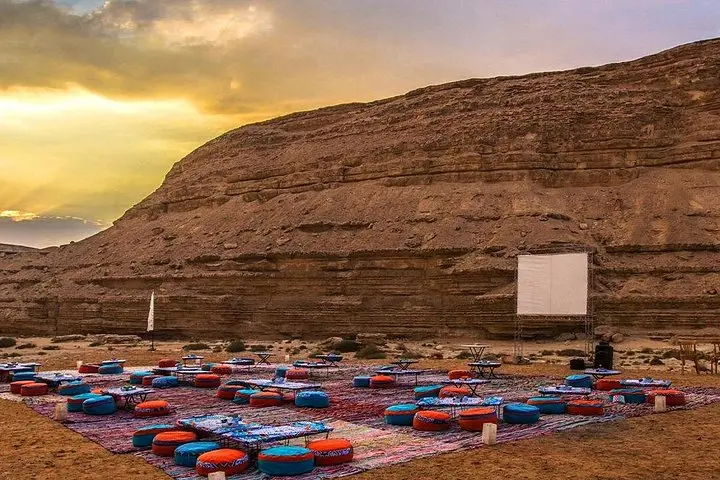
On a typical full-day tour (about five hours), expect 3–6 miles of mixed trail—packed sand, gravel tracks and short limestone scrambles—with gentle elevation changes rather than steep climbs. Wildlife sightings (gazelle, foxes, raptors) are likelier in cooler hours; photography and birdwatching are highlights. The operator provides transfers, entry fees and a Bedouin-style picnic lunch, plus bottled water.
Practical edge: wear sturdy hiking shoes with decent grip, sun protection and at least 2–3 liters of water per person. Start early or late afternoon to avoid the heat; carry a lightweight layer for breezy canyon mouths. If you want a faster pace or more terrain, ask about optional mountain-biking sections—guides can adapt the day to your fitness and interests.
Tours run about five hours total with 3–6 miles of walking on mainly easy to moderate desert trails; there are short rocky sections but no technical climbing.
Yes—private round-trip transfers from central Cairo hotels and entrance fees are included in the advertised tour price.
Yes—Wadi Degla shelters desert-adapted species like gazelles, red foxes and raptors; sightings are more common in cooler hours.
The route is described as suitable for a wide range of fitness levels, but uneven terrain may challenge strollers or wheelchair users—check specific accessibility needs with the operator.
Sun Pyramids Tours operates guided outdoor trips and adventures with an emphasis on safety, stewardship, and memorable experiences.
You step out of Cairo's morning heat into a carved cleft of stone—Wadi Degla’s canyon narrows, cliffs folding up like pages of an old map. Limestone walls catch the sun and throw back long shadows; kestrels wheel and a distant fox slips between boulders. The air here tastes of dry earth and crushed rock, and the city’s noise fades until only wind and footfalls remain.
You step out of Cairo's morning heat into a carved cleft of stone—Wadi Degla’s canyon narrows, cliffs folding up like pages of an old map. Limestone walls catch the sun and throw back long shadows; kestrels wheel and a distant fox slips between boulders. The air here tastes of dry earth and crushed rock, and the city’s noise fades until only wind and footfalls remain.
Geology and history sit side by side: the canyon is the visible record of water and time, channels and cliffs formed by ancient runoff cutting through Miocene limestone. The area today is a protected remnant of Egypt’s eastern desert margin, a green-tinged corridor for migratory birds and a refuge for small mammals. Local guides weave natural history with cultural notes—how Bedouin routes skirted these ravines and how modern conservation seeks to keep this patch of desert intact.
On a typical full-day tour (about five hours), expect 3–6 miles of mixed trail—packed sand, gravel tracks and short limestone scrambles—with gentle elevation changes rather than steep climbs. Wildlife sightings (gazelle, foxes, raptors) are likelier in cooler hours; photography and birdwatching are highlights. The operator provides transfers, entry fees and a Bedouin-style picnic lunch, plus bottled water.
Practical edge: wear sturdy hiking shoes with decent grip, sun protection and at least 2–3 liters of water per person. Start early or late afternoon to avoid the heat; carry a lightweight layer for breezy canyon mouths. If you want a faster pace or more terrain, ask about optional mountain-biking sections—guides can adapt the day to your fitness and interests.