THE ADVENTURE COLLECTIVE® · Independent discovery and booking for outdoor travel

Spend a day moving from the dramatic canyons of Wadi Mujib to the buoyant salt flats of the Dead Sea, then explore Mount Nebo’s mosaics and Madaba’s historic churches. This private tour combines light hiking, cultural sites, and a resort-rest by the Dead Sea.
Spend a day moving from the dramatic canyons of Wadi Mujib to the buoyant salt flats of the Dead Sea, then explore Mount Nebo’s mosaics and Madaba’s historic churches. This private tour combines light hiking, cultural sites, and a resort-rest by the Dead Sea.
Morning light slices the Jordan Rift Valley as the vehicle leaves Amman and heads toward a landscape of cliffs and salt flats. The day opens at Wadi Mujib, where a narrow canyon drops sharply toward the Dead Sea; water has carved climbing channels and siqs that dare the hiker to explore. Later, the buoyant, mineral-rich surface of the Dead Sea offers a slow, effortless float and a chance to rinse salt into the wind from resort pools.
Verified experiences and guided adventures in the surrounding area.
Operated by Camel Taxi · Madaba, Madaba Governorate
Morning light slices the Jordan Rift Valley as the vehicle leaves Amman and heads toward a landscape of cliffs and salt flats. The day opens at Wadi Mujib, where a narrow canyon drops sharply toward the Dead Sea; water has carved climbing channels and siqs that dare the hiker to explore. Later, the buoyant, mineral-rich surface of the Dead Sea offers a slow, effortless float and a chance to rinse salt into the wind from resort pools.
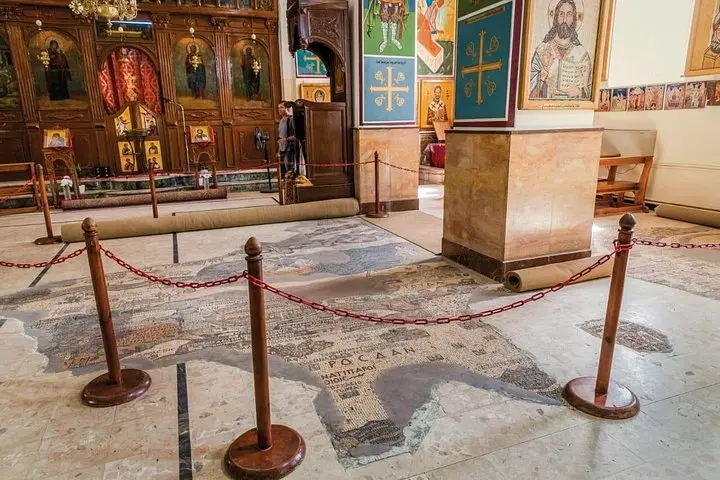
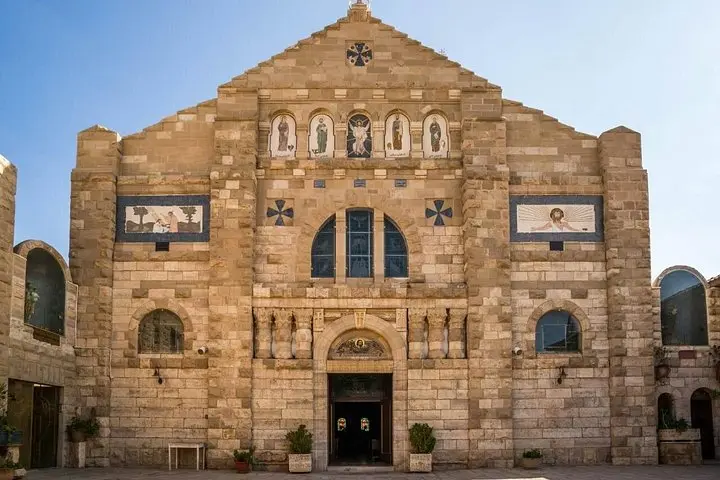
This route threads together geology and history: the canyon walls of Wadi Mujib are folded sedimentary rock formed by tectonic activity along the Rift, while the Dead Sea sits at the planet's lowest land elevation, concentrating salts that create its unusual buoyancy. Mount Nebo—traditionally identified as the spot where Moses viewed the Promised Land—adds Byzantine mosaics and ruined churches to a day already shaped by deep time. In Madaba, artisans keep mosaic technique alive; the famous 6th-century Madaba Map anchors the town’s cultural draw.
Practically, this is a full-day private circuit best scheduled for early starts to avoid heat. Wadi Mujib access is seasonal (late spring—early fall); if closed, itineraries usually substitute nearby historic or baptism sites. Expect brief hikes and paved museum visits, with time set aside for a resort lunch and Dead Sea facilities. Wear closed-toe shoes that can get wet for canyon sections, bring reef-safe sunscreen, and carry a refillable water bottle. Aim to keep camera and electronics in waterproof cases near the canyon and pack a swimsuit for the resort float.
No—most canyon routes are seasonal and typically closed in the wetter, cooler months (roughly November–April); operators offer alternatives when closed.
Canyon access and canyoning routes require entry through the reserve and sometimes guided access; the tour includes transportation and an English-speaking driver but verify specific trail admission.
Travel time is about 45–75 minutes to Madaba and Mount Nebo, and roughly 1–1.5 hours to Wadi Mujib/Dead Sea depending on traffic and exact pickup point.
Yes—this tour notes stroller access and infant seats available, but canyon trails are not stroller-friendly; plan child-specific arrangements for the hike portions.
Camel Taxi operates guided outdoor trips and adventures with an emphasis on safety, stewardship, and memorable experiences.
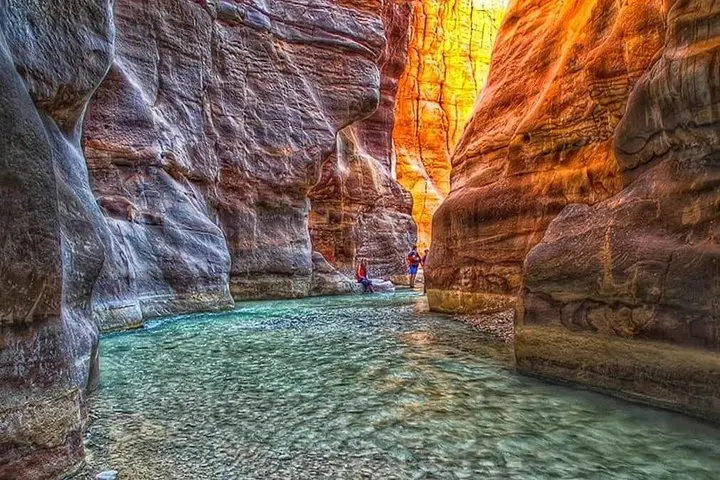
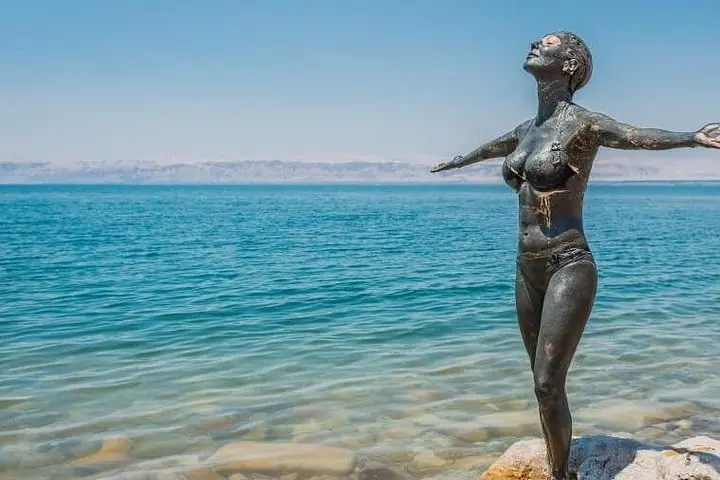
Morning light slices the Jordan Rift Valley as the vehicle leaves Amman and heads toward a landscape of cliffs and salt flats. The day opens at Wadi Mujib, where a narrow canyon drops sharply toward the Dead Sea; water has carved climbing channels and siqs that dare the hiker to explore. Later, the buoyant, mineral-rich surface of the Dead Sea offers a slow, effortless float and a chance to rinse salt into the wind from resort pools.
Morning light slices the Jordan Rift Valley as the vehicle leaves Amman and heads toward a landscape of cliffs and salt flats. The day opens at Wadi Mujib, where a narrow canyon drops sharply toward the Dead Sea; water has carved climbing channels and siqs that dare the hiker to explore. Later, the buoyant, mineral-rich surface of the Dead Sea offers a slow, effortless float and a chance to rinse salt into the wind from resort pools.
This route threads together geology and history: the canyon walls of Wadi Mujib are folded sedimentary rock formed by tectonic activity along the Rift, while the Dead Sea sits at the planet's lowest land elevation, concentrating salts that create its unusual buoyancy. Mount Nebo—traditionally identified as the spot where Moses viewed the Promised Land—adds Byzantine mosaics and ruined churches to a day already shaped by deep time. In Madaba, artisans keep mosaic technique alive; the famous 6th-century Madaba Map anchors the town’s cultural draw.
Practically, this is a full-day private circuit best scheduled for early starts to avoid heat. Wadi Mujib access is seasonal (late spring—early fall); if closed, itineraries usually substitute nearby historic or baptism sites. Expect brief hikes and paved museum visits, with time set aside for a resort lunch and Dead Sea facilities. Wear closed-toe shoes that can get wet for canyon sections, bring reef-safe sunscreen, and carry a refillable water bottle. Aim to keep camera and electronics in waterproof cases near the canyon and pack a swimsuit for the resort float.