THE ADVENTURE COLLECTIVE® · Independent discovery and booking for outdoor travel

Drive into Wadi Rum with a private Bedouin guide, sleep under an immense desert sky, and wake to sandstone towers and red dunes. This 24‑hour private jeep tour pairs short hikes, rock arches, and a traditional camp dinner for a compact, authentic desert night.
Drive into Wadi Rum with a private Bedouin guide, sleep under an immense desert sky, and wake to sandstone towers and red dunes. This 24‑hour private jeep tour pairs short hikes, rock arches, and a traditional camp dinner for a compact, authentic desert night.
The jeep drops you where the map stops and the desert begins: a low thrum of a diesel engine, a cloud of red grit, and a guide who reads the dunes like a sailor reads charts. You climb into a four‑wheel drive and wind through an ocean of sandstone towers and scarlet sand, every turn revealing a new sweep of wind‑sculpted rock. By evening the guide lights a fire, the cooking pot hisses, and the sky opens into a black ceiling spattered with stars—the kind of dark that makes constellations feel close enough to touch.
Verified experiences and guided adventures in the surrounding area.
Operated by Wadi Rum Protected Area Camp · Wadi Rum Village, Ma'an Governorate
The jeep drops you where the map stops and the desert begins: a low thrum of a diesel engine, a cloud of red grit, and a guide who reads the dunes like a sailor reads charts. You climb into a four‑wheel drive and wind through an ocean of sandstone towers and scarlet sand, every turn revealing a new sweep of wind‑sculpted rock. By evening the guide lights a fire, the cooking pot hisses, and the sky opens into a black ceiling spattered with stars—the kind of dark that makes constellations feel close enough to touch.
Wadi Rum sits on the edge of Arabia’s old caravan routes. Millennia of flash floods carved its canyons and natural arches; the Nabateans left inscriptions and waystations, and the valley later threaded into early 20th‑century history through T. E. Lawrence’s campaigns. Geologically it’s mostly sandstone and granite that the wind and sudden winter torrents have gnawed into arches, bridges and sheer cliffs. The area is protected now, and Bedouin guides still read the land the way their ancestors did—by scent of the wind, the curve of a dune, and by memory.
This private 24‑hour circuit combines off‑road driving with short walks: expect several one‑to‑two‑mile hikes to viewpoints and arches, plus a climb if you want to tackle Burdah Rock Bridge (exposed and steep in places). Um Ishrin dune is a short sand hike and a popular spot for sandboarding; Khazali Canyon is an easy stroll to see Thamudic inscriptions. The overnight camp is traditional—private tents, dinner cooked on an open flame, and minimal facilities; mornings bring strong sunlight and a slow, quiet dawn.
Practicalities matter here. Temperatures swing: high heat in summer days and sharp cold at night in winter. Bring at least 2 liters of water per person, sun protection, and layers for the night. Footwear with good tread helps for unstable sand and rocky steps; if you plan to climb Burdah, take trekking poles and be comfortable with exposure. The route is largely off-grid—charge devices before you go and confirm whether the park entrance fee is included when you book.
Cultural etiquette is part of the trip: dress modestly when visiting villages or Bedouin markets and ask before photographing people. The camp’s food is local and cooked over coals—expect simple, hearty stews, fresh bread and strong tea. For photographers the dome of stars and the warm light at golden hour are the prizes; for anyone seeking a short, immersive desert night, the combination of private guide, authentic cooking, and a quiet tent under the Milky Way makes this a compact but memorable desert experience.
Policies vary—confirm with the operator before booking. If not included, the fee is typically paid at the Visitor Center.
Facilities are basic; some camps have composting toilets but expect limited plumbing compared with hotels—plan accordingly.
Yes—this private tour accepts families, but check with the operator about tent arrangements and suitability for very young children.
The camp is in the protected area and can be off‑grid; cell service is intermittent—charge devices beforehand and bring a power bank.
Traditional breakfast, lunch and dinner are included. Notify the operator of dietary restrictions in advance so they can adapt meals.
Sandboarding is available at Um Ishrin dune and short climbs to viewpoints are possible; more technical climbs like Burdah require caution and suitable footwear.
Wadi Rum Protected Area Camp operates guided outdoor trips and adventures with an emphasis on safety, stewardship, and memorable experiences.
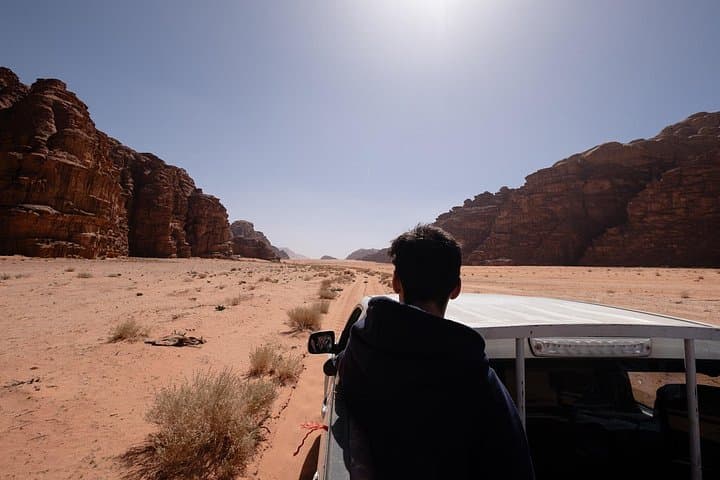
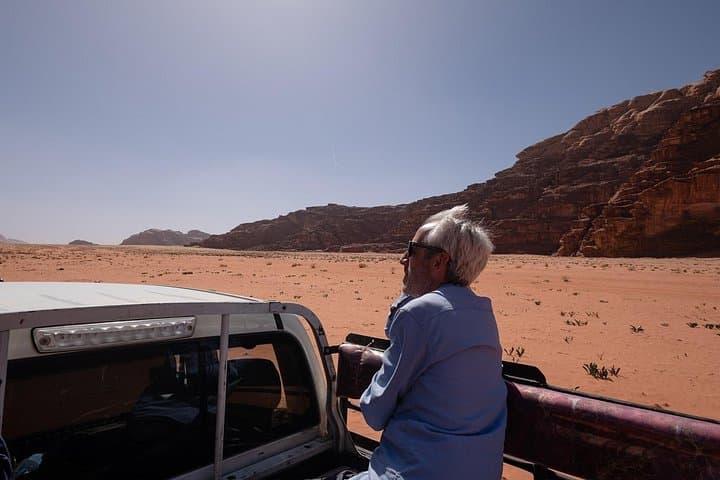
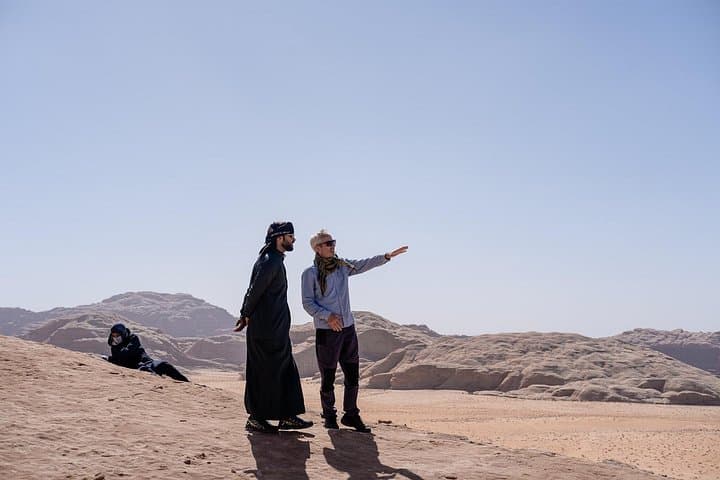
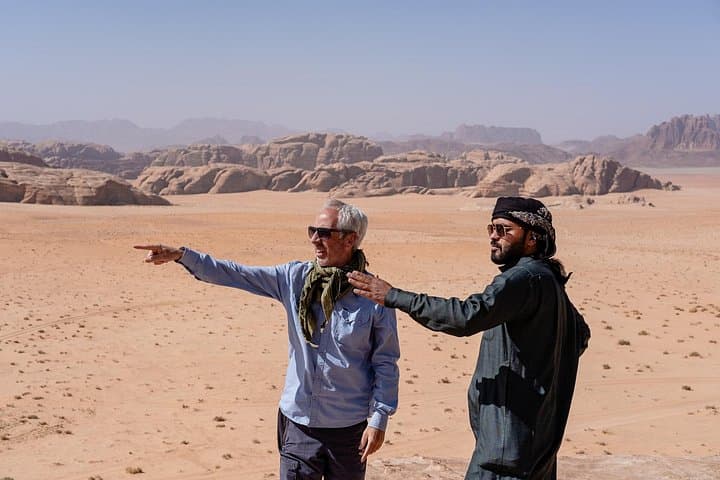
The jeep drops you where the map stops and the desert begins: a low thrum of a diesel engine, a cloud of red grit, and a guide who reads the dunes like a sailor reads charts. You climb into a four‑wheel drive and wind through an ocean of sandstone towers and scarlet sand, every turn revealing a new sweep of wind‑sculpted rock. By evening the guide lights a fire, the cooking pot hisses, and the sky opens into a black ceiling spattered with stars—the kind of dark that makes constellations feel close enough to touch.
The jeep drops you where the map stops and the desert begins: a low thrum of a diesel engine, a cloud of red grit, and a guide who reads the dunes like a sailor reads charts. You climb into a four‑wheel drive and wind through an ocean of sandstone towers and scarlet sand, every turn revealing a new sweep of wind‑sculpted rock. By evening the guide lights a fire, the cooking pot hisses, and the sky opens into a black ceiling spattered with stars—the kind of dark that makes constellations feel close enough to touch.
Wadi Rum sits on the edge of Arabia’s old caravan routes. Millennia of flash floods carved its canyons and natural arches; the Nabateans left inscriptions and waystations, and the valley later threaded into early 20th‑century history through T. E. Lawrence’s campaigns. Geologically it’s mostly sandstone and granite that the wind and sudden winter torrents have gnawed into arches, bridges and sheer cliffs. The area is protected now, and Bedouin guides still read the land the way their ancestors did—by scent of the wind, the curve of a dune, and by memory.
This private 24‑hour circuit combines off‑road driving with short walks: expect several one‑to‑two‑mile hikes to viewpoints and arches, plus a climb if you want to tackle Burdah Rock Bridge (exposed and steep in places). Um Ishrin dune is a short sand hike and a popular spot for sandboarding; Khazali Canyon is an easy stroll to see Thamudic inscriptions. The overnight camp is traditional—private tents, dinner cooked on an open flame, and minimal facilities; mornings bring strong sunlight and a slow, quiet dawn.
Practicalities matter here. Temperatures swing: high heat in summer days and sharp cold at night in winter. Bring at least 2 liters of water per person, sun protection, and layers for the night. Footwear with good tread helps for unstable sand and rocky steps; if you plan to climb Burdah, take trekking poles and be comfortable with exposure. The route is largely off-grid—charge devices before you go and confirm whether the park entrance fee is included when you book.
Cultural etiquette is part of the trip: dress modestly when visiting villages or Bedouin markets and ask before photographing people. The camp’s food is local and cooked over coals—expect simple, hearty stews, fresh bread and strong tea. For photographers the dome of stars and the warm light at golden hour are the prizes; for anyone seeking a short, immersive desert night, the combination of private guide, authentic cooking, and a quiet tent under the Milky Way makes this a compact but memorable desert experience.