THE ADVENTURE COLLECTIVE® · Independent discovery and booking for outdoor travel

Drive across rust-red sand and step into Bedouin hospitality: this 4-hour Wadi Rum jeep circuit followed by an authentic overnight camp pairs off-road thrills with cultural warmth. Expect iconic dunes, petroglyph canyons, and dinner cooked the old way under a vast desert sky.
Drive across rust-red sand and step into Bedouin hospitality: this 4-hour Wadi Rum jeep circuit followed by an authentic overnight camp pairs off-road thrills with cultural warmth. Expect iconic dunes, petroglyph canyons, and dinner cooked the old way under a vast desert sky.
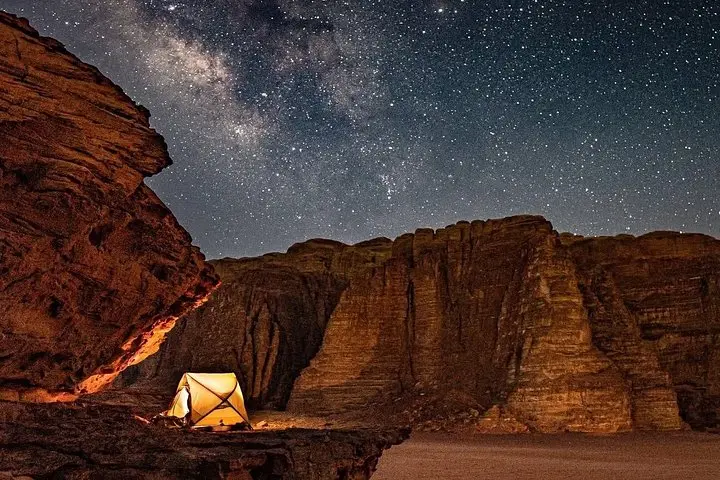
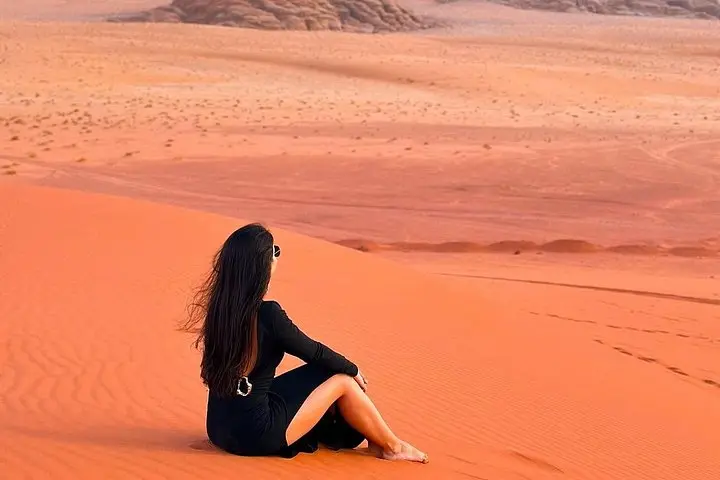
The jeep drops you at the lip of a red dune just as the light begins to thin; wind has been carving the sandstone all day and now the cliffs throw long, molten shadows across the valley. Guides move with a practiced economy—hand on a throttle, eye on a horizon that redraws itself with every fold of rock. By the time the vehicle settles at a remote Bedouin camp, the desert has already changed costume: a sky big enough to swallow a single bright star, the hush broken only by the hiss of boiling water and distant goat bells.
Verified experiences and guided adventures in the surrounding area.
Operated by Wadi Rum Zain Tours · Wadi Rum Village, Ma'an Governorate
The jeep drops you at the lip of a red dune just as the light begins to thin; wind has been carving the sandstone all day and now the cliffs throw long, molten shadows across the valley. Guides move with a practiced economy—hand on a throttle, eye on a horizon that redraws itself with every fold of rock. By the time the vehicle settles at a remote Bedouin camp, the desert has already changed costume: a sky big enough to swallow a single bright star, the hush broken only by the hiss of boiling water and distant goat bells.
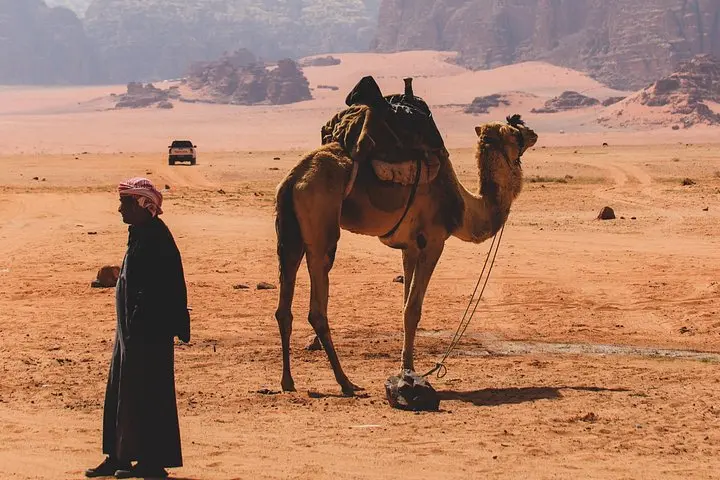
Wadi Rum reads like geological shorthand: Cambrian sandstone and granite shaped by wind and flash floods into towers, bridges, and narrow canyons. The Nabataeans and later Arabian caravans left petroglyphs and inscriptions in places like Khazali Canyon; TE Lawrence’s brief presence is still marked at a low stone house that looks out over the red sea of sand. The Bedouin culture here is practical and hospitable—tea is a ceremony, stories are given weight, and tent hospitality is a way of life adapted for a harsh landscape.
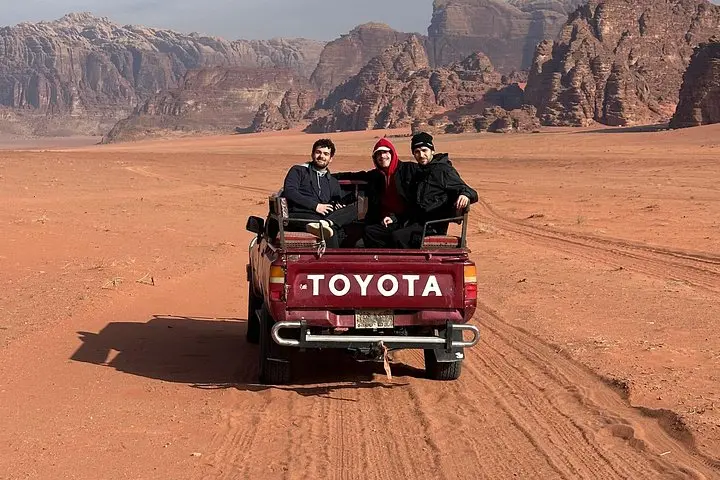
This combined outing pairs a 4-hour guided jeep circuit through landmarks—Lawrence Spring, Al Ramal dune, Little Bridge, Khazali Canyon—with an overnight in a private Bedouin tent. The jeep stage is mostly off-road on graded sandy tracks and short washes; occasional short walks of 20–40 minutes lead to viewpoints, springs, and petroglyph sites. The camp portion is low-impact but authentic: dinner cooked in a zarb (underground pit) or over coals, simple bedding, and sunrise tea.
Practicalities matter here. Temperatures swing dramatically—bring layers for an often-hot day and a chilly night. Hydrate well before and during the tour; guides provide bottled water but carry a refillable bottle too. Footwear should handle loose sand and crumbly rock: low-cut hiking boots or trail shoes work; sandals are useful in camp but not for canyon scrambling. Respect local customs—ask before photographing people, and accept tea or a meal as a sign of goodwill. If you plan to climb to Burdah Bridge, be aware that the final approach is steep and exposed.
For photographers and travelers seeking texture, aim for late afternoon light on the red dunes and sunrise from the camp for pastel washes. Bring a headlamp for late-night paths and a compact pillow for the tent. The reward is immediate: one night under an expansive desert sky, a small circle of local stories, and a morning where the dunes seem willing to let you walk on them while the world is still waking up.
Tours start at the village rest house—most key stops are within a 30–60 minute drive on off-road tracks from the village center.
This experience includes a private tent for the booking with shared camp facilities; check with the operator for family or group arrangements.
The dinner and breakfast are traditional; notify the operator in advance about allergies or dietary needs so they can adapt the meal.
The jeep stops near Burdah for viewing; climbing the arch requires a separate hike and a guide—ask in advance if you want to include the ascent.
The jeep portion is suitable for most ages; some short walks involve uneven ground—parents and older travelers should assess mobility and supervise children.
Tipping is customary; a small tip for the driver/guide and separate tip for camp hosts is appreciated—around 5–10 JD per person is a common guideline.
Wadi Rum Zain Tours operates guided outdoor trips and adventures with an emphasis on safety, stewardship, and memorable experiences.
The jeep drops you at the lip of a red dune just as the light begins to thin; wind has been carving the sandstone all day and now the cliffs throw long, molten shadows across the valley. Guides move with a practiced economy—hand on a throttle, eye on a horizon that redraws itself with every fold of rock. By the time the vehicle settles at a remote Bedouin camp, the desert has already changed costume: a sky big enough to swallow a single bright star, the hush broken only by the hiss of boiling water and distant goat bells.
The jeep drops you at the lip of a red dune just as the light begins to thin; wind has been carving the sandstone all day and now the cliffs throw long, molten shadows across the valley. Guides move with a practiced economy—hand on a throttle, eye on a horizon that redraws itself with every fold of rock. By the time the vehicle settles at a remote Bedouin camp, the desert has already changed costume: a sky big enough to swallow a single bright star, the hush broken only by the hiss of boiling water and distant goat bells.
Wadi Rum reads like geological shorthand: Cambrian sandstone and granite shaped by wind and flash floods into towers, bridges, and narrow canyons. The Nabataeans and later Arabian caravans left petroglyphs and inscriptions in places like Khazali Canyon; TE Lawrence’s brief presence is still marked at a low stone house that looks out over the red sea of sand. The Bedouin culture here is practical and hospitable—tea is a ceremony, stories are given weight, and tent hospitality is a way of life adapted for a harsh landscape.
This combined outing pairs a 4-hour guided jeep circuit through landmarks—Lawrence Spring, Al Ramal dune, Little Bridge, Khazali Canyon—with an overnight in a private Bedouin tent. The jeep stage is mostly off-road on graded sandy tracks and short washes; occasional short walks of 20–40 minutes lead to viewpoints, springs, and petroglyph sites. The camp portion is low-impact but authentic: dinner cooked in a zarb (underground pit) or over coals, simple bedding, and sunrise tea.
Practicalities matter here. Temperatures swing dramatically—bring layers for an often-hot day and a chilly night. Hydrate well before and during the tour; guides provide bottled water but carry a refillable bottle too. Footwear should handle loose sand and crumbly rock: low-cut hiking boots or trail shoes work; sandals are useful in camp but not for canyon scrambling. Respect local customs—ask before photographing people, and accept tea or a meal as a sign of goodwill. If you plan to climb to Burdah Bridge, be aware that the final approach is steep and exposed.
For photographers and travelers seeking texture, aim for late afternoon light on the red dunes and sunrise from the camp for pastel washes. Bring a headlamp for late-night paths and a compact pillow for the tent. The reward is immediate: one night under an expansive desert sky, a small circle of local stories, and a morning where the dunes seem willing to let you walk on them while the world is still waking up.