THE ADVENTURE COLLECTIVE® · Independent discovery and booking for outdoor travel

Spend a day crossing rust-red dunes and narrow canyons, then sleep under a Bedouin tent as locals cook over fire and tell stories. This guided jeep tour through Wadi Rum combines iconic rock bridges, petroglyphs, and an authentic overnight camp.
Spend a day crossing rust-red dunes and narrow canyons, then sleep under a Bedouin tent as locals cook over fire and tell stories. This guided jeep tour through Wadi Rum combines iconic rock bridges, petroglyphs, and an authentic overnight camp.
The jeep grumbles away from the meeting point — a red building by the mosque — and the road peels open into a wide, rust-colored plain. At first the desert seems to measure time in wind and light: sand hollows curve like slow-breathing lungs, and monoliths of sandstone keep a patient watch. By midafternoon the driver eases the vehicle onto a trail that threads between canyons; your guide points to a narrow fissure and, with a smile, says this is where travelers have passed for millennia.
Verified experiences and guided adventures in the surrounding area.
Operated by Bedouin Roads · Wadi Rum Village, Aqaba Governorate
The jeep grumbles away from the meeting point — a red building by the mosque — and the road peels open into a wide, rust-colored plain. At first the desert seems to measure time in wind and light: sand hollows curve like slow-breathing lungs, and monoliths of sandstone keep a patient watch. By midafternoon the driver eases the vehicle onto a trail that threads between canyons; your guide points to a narrow fissure and, with a smile, says this is where travelers have passed for millennia.
Wadi Rum's human story is layered. Nabatean traders marked these routes, pilgrims used the canyons as passage, and TE Lawrence's name still clings to a handful of ruins and rock-shelter tales. Geologically, the valley is a cross-section of erosion: wind and rain have shaved the sandstone into bridges, mushroom caps, and sheer cliffs whose strata reveal ancient seas and shifting deserts.
Culturally, the trip is intentionally small-scale. A local Bedouin guide runs the itinerary, making stops at Lawrence's House, Khazali Canyon with its Thamudic inscriptions, and the famous red dune where iron-rich sand dares you to sprint down. The day moves at a deliberate rhythm — hikes of 30–90 minutes punctuate jeep rides — and ends at a private tent in a family-run camp where dinner is cooked on open coals and stories are shared by the low light of a fire.
Practically, expect soft sand underfoot and short, steep scrambles on rock anchors punched out for visitors. Most highlights require only short walks, though some features such as Burdah Rock Bridge are a separate full-day climb. The overnight is basic but comfortable: a private Bedouin-style tent, hot tea, and sunrise views that repay the early wake-up. Bring layers for desert nights, sun protection for the day, and footwear suited to sand and rocky steps.
This tour is ideal for travelers who want a hands-on introduction to Wadi Rum's landscape and culture without committing to multi-day trekking. The guide handles navigation, camp setup, and meals, leaving you to listen, explore, and photograph. If you want to climb higher arches or extend your hike, ask the guide — many local teams can arrange guided ascents.
Timing tip: arriving in late afternoon gives you the best light for photography and a cooler window for exploring before the campfire; spring and autumn afternoons are especially temperate. Hydrate often, follow your guide on narrow rock features, and savor the simplicity: the desert keeps a steady, honest pace.
No; the camp is set up by the Bedouin team and amenities are basic but comfortable—guides handle logistics.
Sandboarding is not guaranteed but the red dune is available for running or sandboarding if you bring or request a board.
Yes; the price includes lunch, dinner, and breakfast prepared by the Bedouin camp using traditional methods.
The tour is graded moderate: most walks are short but include soft sand and short rock scrambles; no technical climbing required.
Yes; booking questions include special requirements—notify the operator in advance for most dietary needs.
Bring personal toiletries and any medications; camps provide basic facilities but not full-service bathrooms in all locations.
Bedouin Roads operates guided outdoor trips and adventures with an emphasis on safety, stewardship, and memorable experiences.
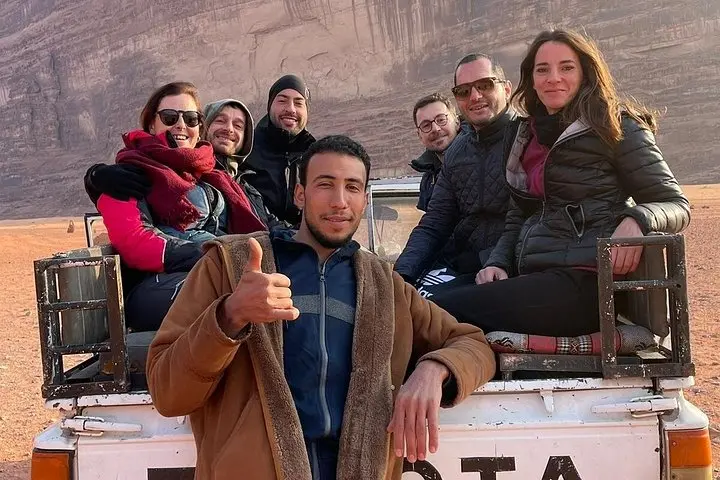
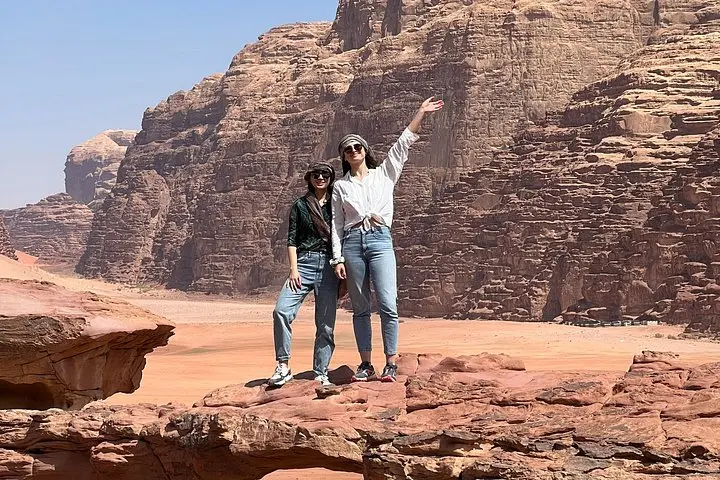
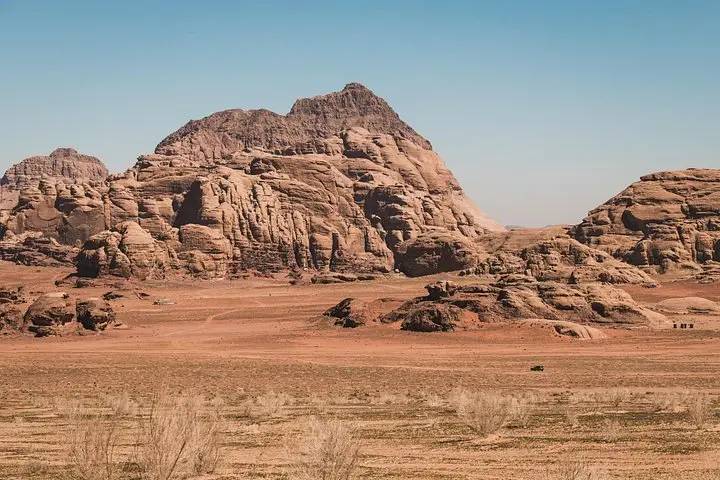
The jeep grumbles away from the meeting point — a red building by the mosque — and the road peels open into a wide, rust-colored plain. At first the desert seems to measure time in wind and light: sand hollows curve like slow-breathing lungs, and monoliths of sandstone keep a patient watch. By midafternoon the driver eases the vehicle onto a trail that threads between canyons; your guide points to a narrow fissure and, with a smile, says this is where travelers have passed for millennia.
The jeep grumbles away from the meeting point — a red building by the mosque — and the road peels open into a wide, rust-colored plain. At first the desert seems to measure time in wind and light: sand hollows curve like slow-breathing lungs, and monoliths of sandstone keep a patient watch. By midafternoon the driver eases the vehicle onto a trail that threads between canyons; your guide points to a narrow fissure and, with a smile, says this is where travelers have passed for millennia.
Wadi Rum's human story is layered. Nabatean traders marked these routes, pilgrims used the canyons as passage, and TE Lawrence's name still clings to a handful of ruins and rock-shelter tales. Geologically, the valley is a cross-section of erosion: wind and rain have shaved the sandstone into bridges, mushroom caps, and sheer cliffs whose strata reveal ancient seas and shifting deserts.
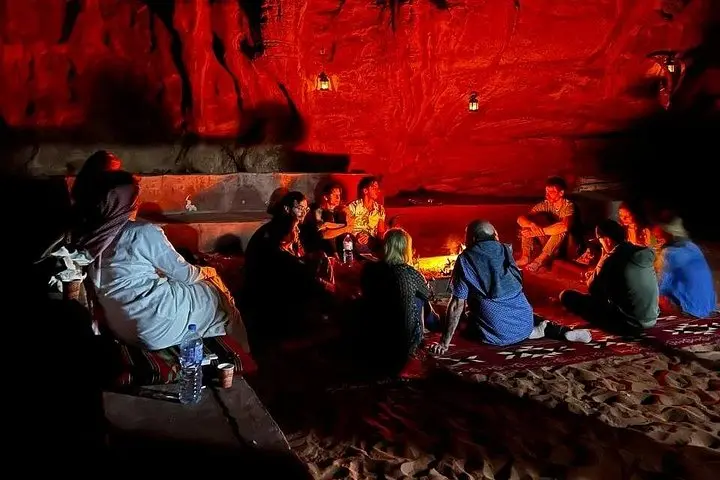
Culturally, the trip is intentionally small-scale. A local Bedouin guide runs the itinerary, making stops at Lawrence's House, Khazali Canyon with its Thamudic inscriptions, and the famous red dune where iron-rich sand dares you to sprint down. The day moves at a deliberate rhythm — hikes of 30–90 minutes punctuate jeep rides — and ends at a private tent in a family-run camp where dinner is cooked on open coals and stories are shared by the low light of a fire.
Practically, expect soft sand underfoot and short, steep scrambles on rock anchors punched out for visitors. Most highlights require only short walks, though some features such as Burdah Rock Bridge are a separate full-day climb. The overnight is basic but comfortable: a private Bedouin-style tent, hot tea, and sunrise views that repay the early wake-up. Bring layers for desert nights, sun protection for the day, and footwear suited to sand and rocky steps.
This tour is ideal for travelers who want a hands-on introduction to Wadi Rum's landscape and culture without committing to multi-day trekking. The guide handles navigation, camp setup, and meals, leaving you to listen, explore, and photograph. If you want to climb higher arches or extend your hike, ask the guide — many local teams can arrange guided ascents.
Timing tip: arriving in late afternoon gives you the best light for photography and a cooler window for exploring before the campfire; spring and autumn afternoons are especially temperate. Hydrate often, follow your guide on narrow rock features, and savor the simplicity: the desert keeps a steady, honest pace.