THE ADVENTURE COLLECTIVE® · Independent discovery and booking for outdoor travel

Head north of Muscat into a narrow canyon to reach Sahtan Bowl—an isolated wadi of pools and chutes accessed by 4x4. This full-day trip mixes short scrambles, geology-rich scenery and cultural notes on traditional irrigation and oasis life.
Head north of Muscat into a narrow canyon to reach Sahtan Bowl—an isolated wadi of pools and chutes accessed by 4x4. This full-day trip mixes short scrambles, geology-rich scenery and cultural notes on traditional irrigation and oasis life.
A sudden ribbon of tarmac peels away from the coastal plain and the landscape tightens—rock walls close in, gravel gives way to sand, and the 4x4 crouches into a canyon that quickly feels far from the capital. By midday you arrive at Sahtan, the so-called Mandoos or Chest of Oman, a remote bowl of carved rock pools and shaded alcoves where turquoise water dares you to pause.
Verified experiences and guided adventures in the surrounding area.
Operated by Oman Day Tours · Muscat, Muscat Governorate
A sudden ribbon of tarmac peels away from the coastal plain and the landscape tightens—rock walls close in, gravel gives way to sand, and the 4x4 crouches into a canyon that quickly feels far from the capital. By midday you arrive at Sahtan, the so-called Mandoos or Chest of Oman, a remote bowl of carved rock pools and shaded alcoves where turquoise water dares you to pause.
This corridor of stone records Oman’s geologic story: uplifted limestone and conglomerate cut by seasonal flash-floods, leaving polished walls, plunge pools and narrow chutes. Historically these wadis fed small oasis settlements and falaj channels; cultures here adapted to unpredictability with cisterns and terraced farms higher on the slopes. The drive north from Muscat runs past Rustaq and links routes toward Ibri, tracing old interior trade and tribal tracks.
On the ground, expect short walks between pools, light scrambling over salt-stained boulders, and a picnic in a shaded cleft. The environment is fragile—algae mats and shallow springs support birds and lizards that rely on consistent water. Local guides steer vehicles onto established tracks and interpret geological shelves and cliff scars.
Practical guidance: bring sun protection and at least 2–3 liters of water, wear closed shoes with grip for wet rock, and plan the day outside midday heat. The trip is full-day (7–8 hours) from Muscat and suitable for most fitness levels; vehicle access requires a high-clearance 4x4. Respect pools—avoid soaps and leave sites as you found them to keep this mandoos intact.
Expect roughly 1.5–2.5 hours each way depending on traffic and the exact pickup point in Muscat; the full tour runs about 7–8 hours.
No technical climbing is required—walks are short with occasional low scrambles over boulders; closed-toe shoes are recommended.
Yes, brief swims are common at safe, calm pools, but avoid soaps and detergents to protect the spring-fed ecosystems.
Yes—access involves narrow, unpaved tracks and a high-clearance 4x4 managed by the tour operator is required.
Oman Day Tours operates guided outdoor trips and adventures with an emphasis on safety, stewardship, and memorable experiences.
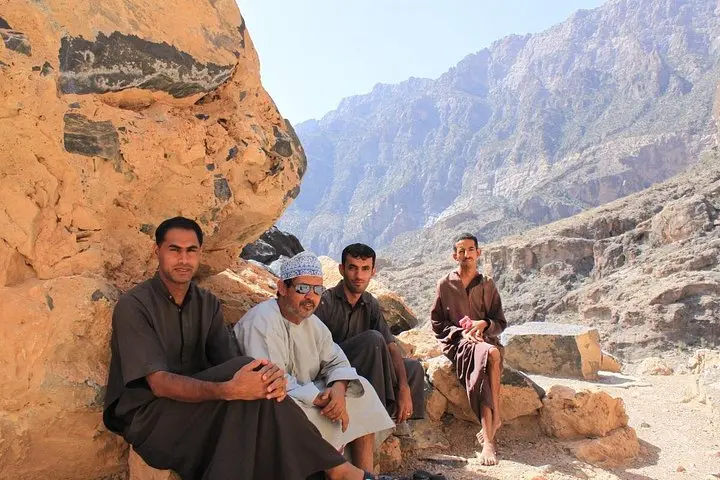
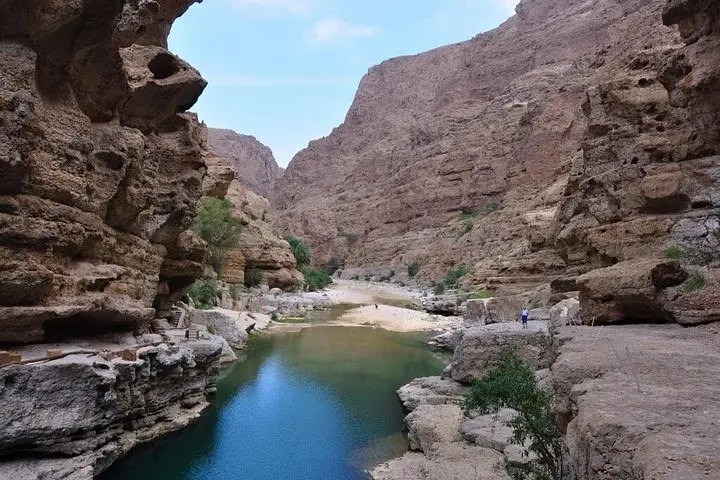
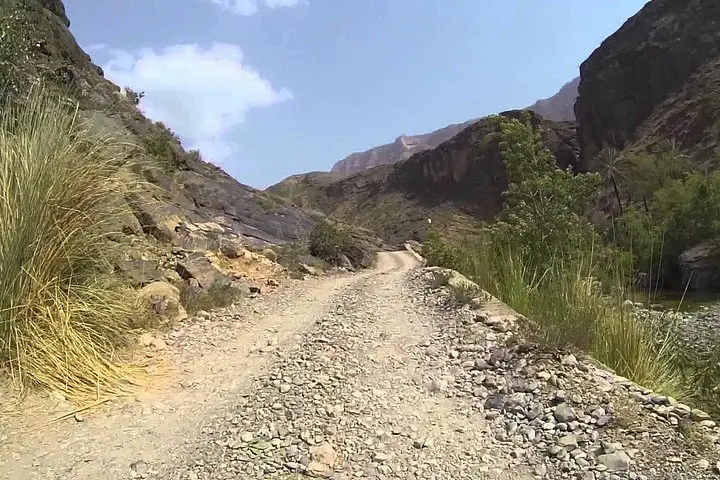
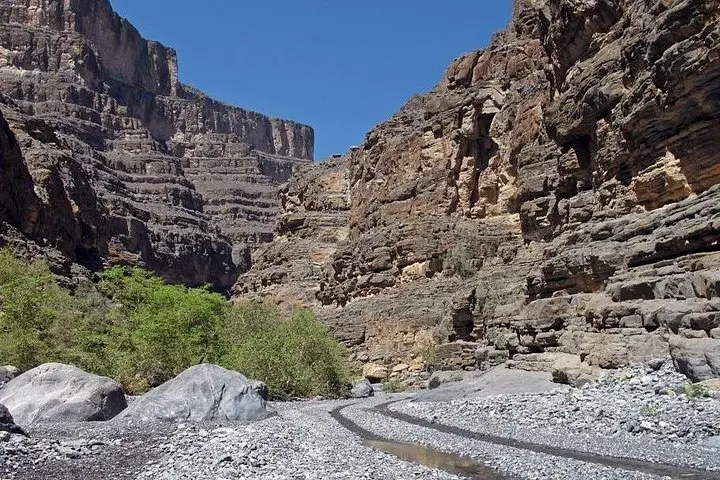
A sudden ribbon of tarmac peels away from the coastal plain and the landscape tightens—rock walls close in, gravel gives way to sand, and the 4x4 crouches into a canyon that quickly feels far from the capital. By midday you arrive at Sahtan, the so-called Mandoos or Chest of Oman, a remote bowl of carved rock pools and shaded alcoves where turquoise water dares you to pause.
A sudden ribbon of tarmac peels away from the coastal plain and the landscape tightens—rock walls close in, gravel gives way to sand, and the 4x4 crouches into a canyon that quickly feels far from the capital. By midday you arrive at Sahtan, the so-called Mandoos or Chest of Oman, a remote bowl of carved rock pools and shaded alcoves where turquoise water dares you to pause.
This corridor of stone records Oman’s geologic story: uplifted limestone and conglomerate cut by seasonal flash-floods, leaving polished walls, plunge pools and narrow chutes. Historically these wadis fed small oasis settlements and falaj channels; cultures here adapted to unpredictability with cisterns and terraced farms higher on the slopes. The drive north from Muscat runs past Rustaq and links routes toward Ibri, tracing old interior trade and tribal tracks.
On the ground, expect short walks between pools, light scrambling over salt-stained boulders, and a picnic in a shaded cleft. The environment is fragile—algae mats and shallow springs support birds and lizards that rely on consistent water. Local guides steer vehicles onto established tracks and interpret geological shelves and cliff scars.
Practical guidance: bring sun protection and at least 2–3 liters of water, wear closed shoes with grip for wet rock, and plan the day outside midday heat. The trip is full-day (7–8 hours) from Muscat and suitable for most fitness levels; vehicle access requires a high-clearance 4x4. Respect pools—avoid soaps and leave sites as you found them to keep this mandoos intact.