THE ADVENTURE COLLECTIVE® · Independent discovery and booking for outdoor travel

Swim through a secret keyhole to a hidden waterfall, hike a limestone canyon, and cool off in the Bimmah Sinkhole—all in one private day trip from Muscat. This is Oman’s classic wadi adventure with just the right mix of effort, culture, and turquoise water.
Swim through a secret keyhole to a hidden waterfall, hike a limestone canyon, and cool off in the Bimmah Sinkhole—all in one private day trip from Muscat. This is Oman’s classic wadi adventure with just the right mix of effort, culture, and turquoise water.
The day begins with the coast unfurling beside the highway, the Gulf of Oman glinting to the right and rust-colored mountains shouldering the sky to the left. Two hours from Muscat, the road dips toward Tiwi and the soundscape changes—goats clatter over rock, palms whisper in a breeze that dares you to step into the canyon ahead. A short boat shuttle skims across the mouth of Wadi Shab, and suddenly the world narrows. Limestone walls rise in clean bands, sunlight ricochets off turquoise pools, and the wadi’s clear water pushes forward, inviting and unhurried.
Verified experiences and guided adventures in the surrounding area.
Operated by Moon Tours Oman · Tiwi, Ash Sharqiyah South
The day begins with the coast unfurling beside the highway, the Gulf of Oman glinting to the right and rust-colored mountains shouldering the sky to the left. Two hours from Muscat, the road dips toward Tiwi and the soundscape changes—goats clatter over rock, palms whisper in a breeze that dares you to step into the canyon ahead. A short boat shuttle skims across the mouth of Wadi Shab, and suddenly the world narrows. Limestone walls rise in clean bands, sunlight ricochets off turquoise pools, and the wadi’s clear water pushes forward, inviting and unhurried.
The trail is a practical rhythm: roughly 6 km round trip with modest elevation, but it asks for nimble feet. Expect packed sand, stone steps, and stretches of boulder-hopping where you’ll use hands for balance. After 45–60 minutes, the canyon squeezes and the pools deepen. Here, the water calls the shots. Strong swimmers can continue 100–200 meters through cool, glassy channels to the Keyhole—a narrow slot that opens into a hidden cave where a slender waterfall tucks down the rock. Swim in, breathe in the echo, and let the cave’s soft light do its quiet work.
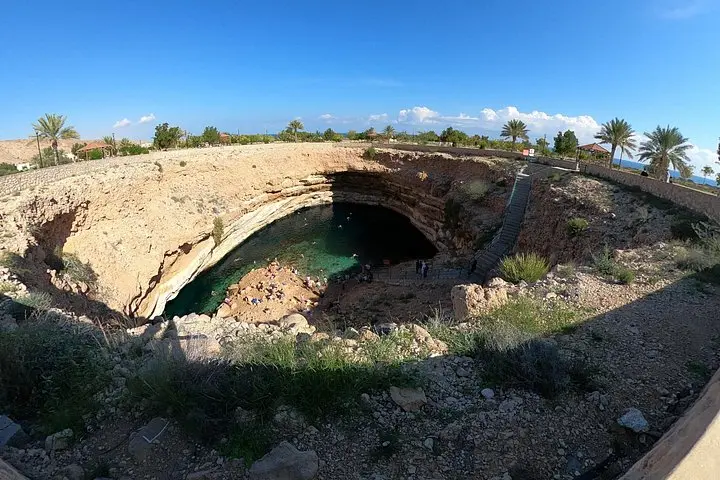
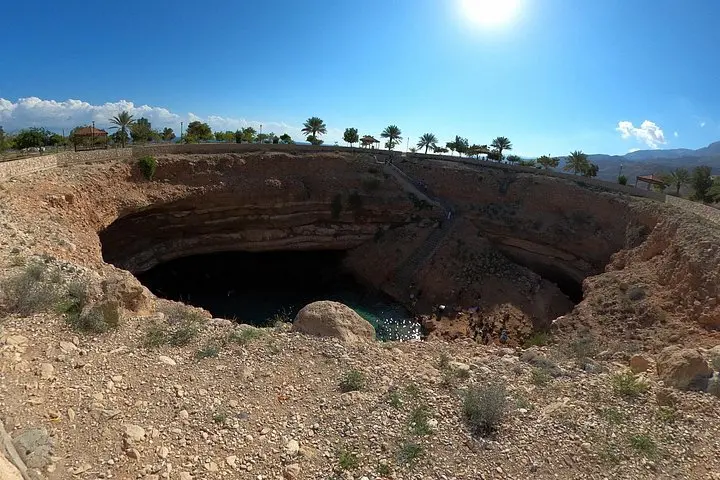
Wadi Shab’s drama is geological as much as visual. These are karst limestone canyons, carved by seasonal floods and groundwater over millennia. The nearby Bimmah Sinkhole—your afternoon stop—is a collapsed limestone chamber fed by brackish water that has filtered inland from the sea. Both speak the same language of time and water. Between them, small falaj irrigation channels still thread date groves; Omani communities have relied on these UNESCO-recognized systems for generations, guiding scarce water with precision.
Your private guide keeps the day moving: the ideal pace on the approach, safe entry points for the swims, and cultural notes that ground the scenery. Post-hike, a local lunch resets energy before you descend to Bimmah’s bright bowl. Here the limestone goes pale and the pool glows aquamarine; it’s an easy swim and a good place to let the morning’s effort settle.
Plan like a pro. Start early to beat heat and crowds. Wear sturdy shoes you don’t mind getting wet or bring amphibious footwear; the rocks can be slick and your feet will earn their keep. Pack 2–3 liters of water, sun protection, and a dry bag. The hike itself runs 2–3 hours, swimming optional, with the full-day outing (8–9 hours) including driving, lunch, and sinkhole time. In winter, occasional rains can swell the wadi; reputable operators monitor conditions and will reschedule if needed. In any season, Wadi Shab rewards those who move light, stay flexible, and follow the water’s lead.
Plan on 6 km round trip with 100 m of gentle elevation and some boulder-hopping; allow 2–3 hours including swims.
Yes. Reaching the Keyhole requires a 100–200 m swim through pools and a narrow slot; non-swimmers can enjoy earlier pools and canyon scenery.
There’s a parking area, the short boat shuttle, and basic stalls near the entrance; no facilities within the canyon—pack water and snacks.
October–April offers milder temperatures and clearer hiking conditions; summer is hot but manageable with early starts and plenty of water.
Yes for active kids comfortable on uneven terrain; swimming sections are for confident swimmers only and are optional.
Drone rules in Oman are strict and permits are required; flying in wadis and near highways is typically not permitted.
Moon Tours Oman operates guided outdoor trips and adventures with an emphasis on safety, stewardship, and memorable experiences.
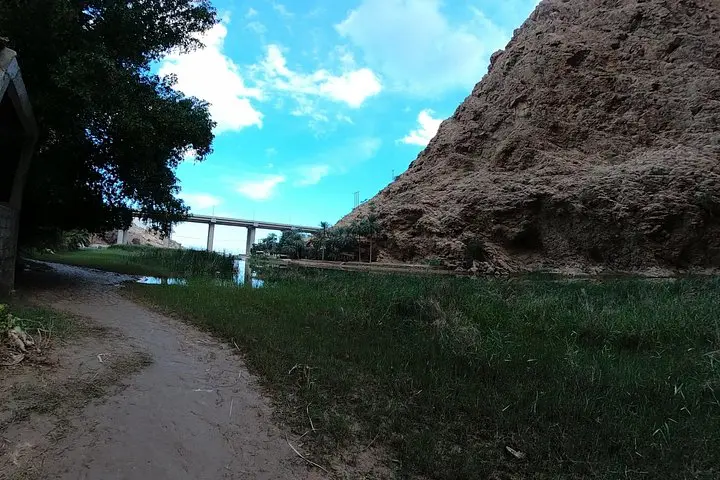
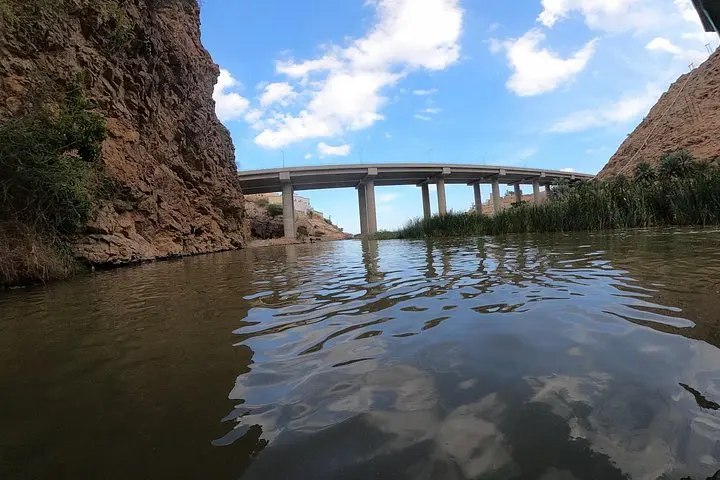
The day begins with the coast unfurling beside the highway, the Gulf of Oman glinting to the right and rust-colored mountains shouldering the sky to the left. Two hours from Muscat, the road dips toward Tiwi and the soundscape changes—goats clatter over rock, palms whisper in a breeze that dares you to step into the canyon ahead. A short boat shuttle skims across the mouth of Wadi Shab, and suddenly the world narrows. Limestone walls rise in clean bands, sunlight ricochets off turquoise pools, and the wadi’s clear water pushes forward, inviting and unhurried.
The day begins with the coast unfurling beside the highway, the Gulf of Oman glinting to the right and rust-colored mountains shouldering the sky to the left. Two hours from Muscat, the road dips toward Tiwi and the soundscape changes—goats clatter over rock, palms whisper in a breeze that dares you to step into the canyon ahead. A short boat shuttle skims across the mouth of Wadi Shab, and suddenly the world narrows. Limestone walls rise in clean bands, sunlight ricochets off turquoise pools, and the wadi’s clear water pushes forward, inviting and unhurried.
The trail is a practical rhythm: roughly 6 km round trip with modest elevation, but it asks for nimble feet. Expect packed sand, stone steps, and stretches of boulder-hopping where you’ll use hands for balance. After 45–60 minutes, the canyon squeezes and the pools deepen. Here, the water calls the shots. Strong swimmers can continue 100–200 meters through cool, glassy channels to the Keyhole—a narrow slot that opens into a hidden cave where a slender waterfall tucks down the rock. Swim in, breathe in the echo, and let the cave’s soft light do its quiet work.
Wadi Shab’s drama is geological as much as visual. These are karst limestone canyons, carved by seasonal floods and groundwater over millennia. The nearby Bimmah Sinkhole—your afternoon stop—is a collapsed limestone chamber fed by brackish water that has filtered inland from the sea. Both speak the same language of time and water. Between them, small falaj irrigation channels still thread date groves; Omani communities have relied on these UNESCO-recognized systems for generations, guiding scarce water with precision.
Your private guide keeps the day moving: the ideal pace on the approach, safe entry points for the swims, and cultural notes that ground the scenery. Post-hike, a local lunch resets energy before you descend to Bimmah’s bright bowl. Here the limestone goes pale and the pool glows aquamarine; it’s an easy swim and a good place to let the morning’s effort settle.
Plan like a pro. Start early to beat heat and crowds. Wear sturdy shoes you don’t mind getting wet or bring amphibious footwear; the rocks can be slick and your feet will earn their keep. Pack 2–3 liters of water, sun protection, and a dry bag. The hike itself runs 2–3 hours, swimming optional, with the full-day outing (8–9 hours) including driving, lunch, and sinkhole time. In winter, occasional rains can swell the wadi; reputable operators monitor conditions and will reschedule if needed. In any season, Wadi Shab rewards those who move light, stay flexible, and follow the water’s lead.