THE ADVENTURE COLLECTIVE® · Independent discovery and booking for outdoor travel

Slip into Wadi Shab’s limestone canyon for a half-day trek and swim through emerald pools to a hidden waterfall cave. This day trip from Muscat blends coastal scenery with a classic wadi adventure—and delivers practical tips to make it easy.
Slip into Wadi Shab’s limestone canyon for a half-day trek and swim through emerald pools to a hidden waterfall cave. This day trip from Muscat blends coastal scenery with a classic wadi adventure—and delivers practical tips to make it easy.
Dawn breaks over the Gulf of Oman as the coast road unfurls south from Muscat, a ribbon of asphalt skirting limestone headlands and fishing villages brushing off sleep. By the time the vehicle swings inland at Tiwi, the mountains close ranks and a narrow canyon invites you in. Wadi Shab doesn’t shout; it beckons—its date palms rustle like they’re saving you a spot in the shade, and clear pools wink from between boulders as if daring you to jump.
Verified experiences and guided adventures in the surrounding area.
Operated by Oman Day Tours · Tiwi, Ash Sharqiyah South
Dawn breaks over the Gulf of Oman as the coast road unfurls south from Muscat, a ribbon of asphalt skirting limestone headlands and fishing villages brushing off sleep. By the time the vehicle swings inland at Tiwi, the mountains close ranks and a narrow canyon invites you in. Wadi Shab doesn’t shout; it beckons—its date palms rustle like they’re saving you a spot in the shade, and clear pools wink from between boulders as if daring you to jump.
This full-day outing pairs a scenic drive with a classic Omani wadi trek: about 6 km round-trip with light scrambling and a modest 80–120 m of total elevation. From the parking area, a brief boat shuttle ferries you across the first pool. The path threads along stone terraces where falaj channels still guide water to garden plots, a reminder that wadis are lifelines, not just playgrounds. Underfoot, polished pebbles shift with each step; ahead, the canyon narrows and the water grows louder, urging you upstream.
The geology tells a different tempo. Eocene limestone towers above, sculpted by seasonal floods that muscle through each winter. Look closely and you’ll spot fossil traces in the rock—time’s handwriting on the canyon walls. Local lore points to this wadi’s steady generosity: clear water for crops, a cool refuge when summer bites, and a natural amphitheater where families gather on weekends.
After 40–60 minutes, the pools deepen to that unmistakable jade. This is where boots become baggage and the water takes over. Strong swimmers earn the final prize by finning through a narrow “keyhole” to a vaulted cavern where a waterfall pounds the rock, filling the chamber with a humid roar. The light bounces off the water and paints the ceiling; it feels like the wadi is breathing around you, steady and patient.
On the drive back, it’s easy to add quick stops that complete the coastal circuit. Bimmah Sinkhole drops from a park lawn into a bowl of seawater-laced turquoise, and Fins Beach lays out white pebbles and sky-blue water that can steal an hour without trying.
Practical notes keep this day smooth. Closed-toe water shoes or sturdy trail shoes matter; the stones roll and the sun is a blunt instrument by midday, especially from May through September. Plan 6–8 hours door to door from Muscat, carry 2–3 liters of water, and pack dry bags for cameras and phones. Life jackets are often available near the boat crossing, and guides watch weather closely—if rain threatens the Hajar, wadis deserve respect. Time it right, and Wadi Shab gives more than a swim; it offers a window into Oman’s landscapes, where water writes the story and you get to follow the line.
Plan for 40–60 minutes each way at a relaxed pace, with light scrambling and short sandy sections.
Yes. The final approach requires a 100–200 meter swim through pools and a narrow passage; strong swimming ability is recommended.
Local vendors near the initial boat crossing often rent life jackets; guides can assist, but availability varies on busy weekends.
October–April offers milder temperatures and clearer hiking conditions, though winter rain can temporarily close wadis.
Active kids who can hike 6 km and are confident in water can enjoy Wadi Shab; flotation aids are advisable for weaker swimmers.
Basic facilities and small kiosks are sometimes available near the parking/boat area, but bring your own water and snacks.
Oman Day Tours operates guided outdoor trips and adventures with an emphasis on safety, stewardship, and memorable experiences.



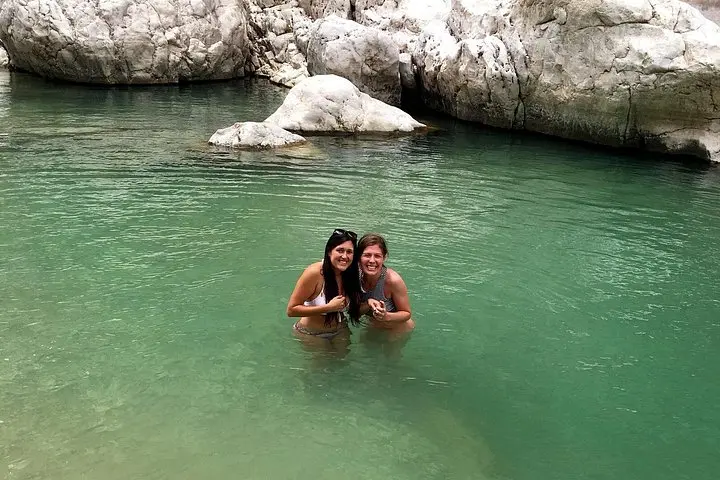
Dawn breaks over the Gulf of Oman as the coast road unfurls south from Muscat, a ribbon of asphalt skirting limestone headlands and fishing villages brushing off sleep. By the time the vehicle swings inland at Tiwi, the mountains close ranks and a narrow canyon invites you in. Wadi Shab doesn’t shout; it beckons—its date palms rustle like they’re saving you a spot in the shade, and clear pools wink from between boulders as if daring you to jump.
Dawn breaks over the Gulf of Oman as the coast road unfurls south from Muscat, a ribbon of asphalt skirting limestone headlands and fishing villages brushing off sleep. By the time the vehicle swings inland at Tiwi, the mountains close ranks and a narrow canyon invites you in. Wadi Shab doesn’t shout; it beckons—its date palms rustle like they’re saving you a spot in the shade, and clear pools wink from between boulders as if daring you to jump.
This full-day outing pairs a scenic drive with a classic Omani wadi trek: about 6 km round-trip with light scrambling and a modest 80–120 m of total elevation. From the parking area, a brief boat shuttle ferries you across the first pool. The path threads along stone terraces where falaj channels still guide water to garden plots, a reminder that wadis are lifelines, not just playgrounds. Underfoot, polished pebbles shift with each step; ahead, the canyon narrows and the water grows louder, urging you upstream.
The geology tells a different tempo. Eocene limestone towers above, sculpted by seasonal floods that muscle through each winter. Look closely and you’ll spot fossil traces in the rock—time’s handwriting on the canyon walls. Local lore points to this wadi’s steady generosity: clear water for crops, a cool refuge when summer bites, and a natural amphitheater where families gather on weekends.
After 40–60 minutes, the pools deepen to that unmistakable jade. This is where boots become baggage and the water takes over. Strong swimmers earn the final prize by finning through a narrow “keyhole” to a vaulted cavern where a waterfall pounds the rock, filling the chamber with a humid roar. The light bounces off the water and paints the ceiling; it feels like the wadi is breathing around you, steady and patient.
On the drive back, it’s easy to add quick stops that complete the coastal circuit. Bimmah Sinkhole drops from a park lawn into a bowl of seawater-laced turquoise, and Fins Beach lays out white pebbles and sky-blue water that can steal an hour without trying.
Practical notes keep this day smooth. Closed-toe water shoes or sturdy trail shoes matter; the stones roll and the sun is a blunt instrument by midday, especially from May through September. Plan 6–8 hours door to door from Muscat, carry 2–3 liters of water, and pack dry bags for cameras and phones. Life jackets are often available near the boat crossing, and guides watch weather closely—if rain threatens the Hajar, wadis deserve respect. Time it right, and Wadi Shab gives more than a swim; it offers a window into Oman’s landscapes, where water writes the story and you get to follow the line.