THE ADVENTURE COLLECTIVE® · Independent discovery and booking for outdoor travel

Hike a limestone canyon, swim through a keyhole, and surface inside a waterfall-fed cave—Wadi Shab packs adventure into a single day from Muscat. This guide blends the sensory highlights with clear, practical details to help you plan it right.
Hike a limestone canyon, swim through a keyhole, and surface inside a waterfall-fed cave—Wadi Shab packs adventure into a single day from Muscat. This guide blends the sensory highlights with clear, practical details to help you plan it right.
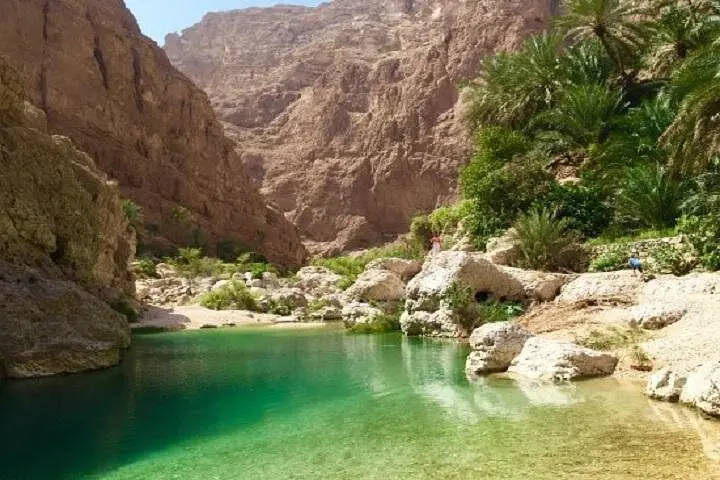
Dawn spills over the Gulf of Oman as the coastal highway unwinds south from Muscat, skirting fishing villages and limestone bluffs that keep one eye on the sea. The day’s target hides inland: Wadi Shab, a narrow canyon cut by fresh water that insists on moving, even in the desert. You step from the car park into a tiny boat for a one-minute crossing, then the trail begins—pebbly, uneven, and flirtatious with the falaj irrigation channels that steer water to date palms and terraced gardens.
Verified experiences and guided adventures in the surrounding area.
Operated by Oman Day Tours · Tiwi, Ash Sharqiyah South
Dawn spills over the Gulf of Oman as the coastal highway unwinds south from Muscat, skirting fishing villages and limestone bluffs that keep one eye on the sea. The day’s target hides inland: Wadi Shab, a narrow canyon cut by fresh water that insists on moving, even in the desert. You step from the car park into a tiny boat for a one-minute crossing, then the trail begins—pebbly, uneven, and flirtatious with the falaj irrigation channels that steer water to date palms and terraced gardens.
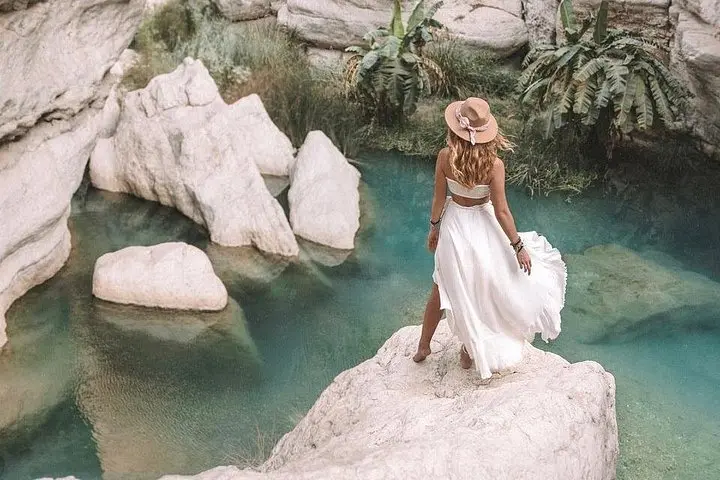
The first forty minutes feel like a conversation with rock and shade. The path hopscotches boulders, slides under cliff overhangs, and skims water that flashes emerald in the sun. Wadi Shab sits in the Eastern Hajar, where uplifted limestone fractures into stair-steps and pools. After winter rains, the wadi swells; by spring and fall, it settles into clear lanes that lure you forward. Villagers from nearby Tiwi have tended these gardens for generations, coaxing life from channels older than the coastal road. The canyon rewards patience: a chain of turquoise basins that deepen until walking becomes wading, then swimming.
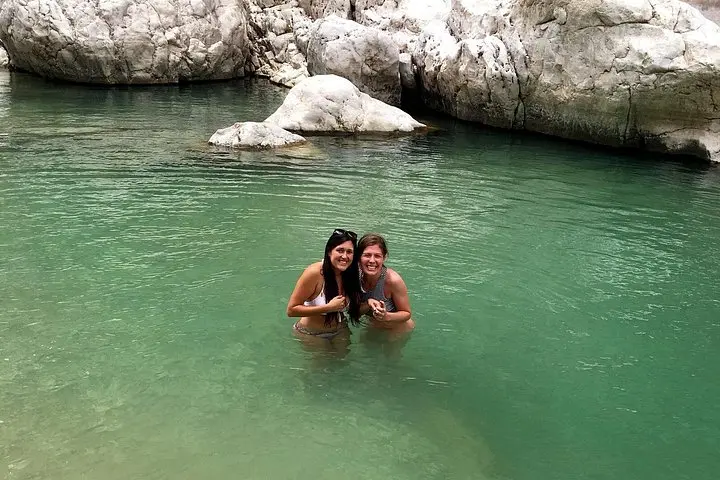
This is the pivot point—pack away shoes, trust the water, and let the current nudge you upstream. The final stretch is a narrow slot where the wadi squeezes to a keyhole. Slip through and the canyon opens into a secret chamber, a waterfall pouring from somewhere hidden, cooling the rock and anyone brave enough to float beneath it. The cave echoes with laughter and dripping water; the wadi has a sense of humor and it invites you to share it.
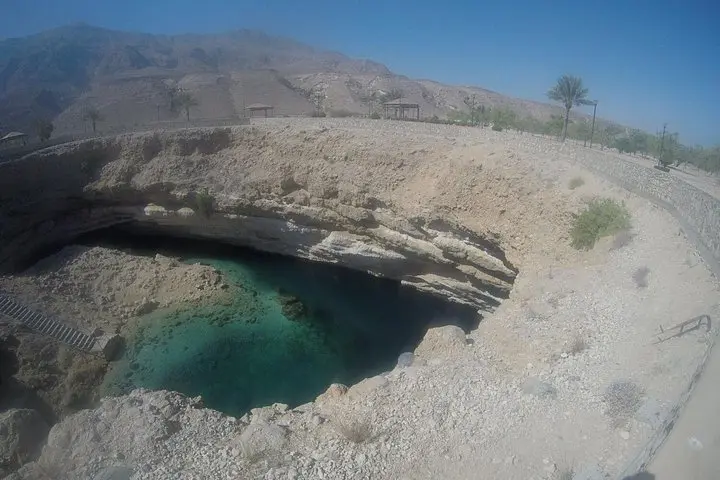
On the return, the route reads differently in reverse. The canyon widens, heat gathers, and the sea beckons. Many tours pause at Fins’ white-sand beach or the Bimmah Sinkhole in Hawiyat Najm Park—both reminders that this coast flips from karst to coastline in a few kilometers. Logistics are straightforward: count on 1.5–2 hours’ drive each way from Muscat, a 40–50 minute hike to the upper pools, and unhurried time for swimming. Sturdy footwear matters; so does hydration and modest swimwear in respect to local culture.
Wadi Shab is approachable, not extreme, but it asks for awareness. Rocks roll. Sun presses down. Rains, though rare, can send sudden water rushing through the canyon. With an early start, a capable guide, and a small dry bag for the swim, the day flows. By sunset, you’re back on the coastal road, salt on your skin and a canyon’s cool voice still in your ears.
Expect about 40–50 minutes each way over rocky, uneven terrain, with brief sections of easy scrambling near the upper pools.
You should be comfortable swimming 200–300 meters total; flotation aids are helpful for less confident swimmers, but life jackets aren’t always provided.
Restrooms are at the car park near the boat crossing. Bring water and snacks; small shops are in Tiwi and along the highway.
Modest swimwear is appreciated in Oman. Many visitors wear a T‑shirt or rash guard and quick-dry shorts over swimwear.
October to April offers cooler temperatures. Summer visits are possible with an early start, extra water, and shade breaks.
Active kids 6+ who can manage uneven footing and are comfortable in water do well; consider a child’s flotation vest for the swim.
Oman Day Tours operates guided outdoor trips and adventures with an emphasis on safety, stewardship, and memorable experiences.
Dawn spills over the Gulf of Oman as the coastal highway unwinds south from Muscat, skirting fishing villages and limestone bluffs that keep one eye on the sea. The day’s target hides inland: Wadi Shab, a narrow canyon cut by fresh water that insists on moving, even in the desert. You step from the car park into a tiny boat for a one-minute crossing, then the trail begins—pebbly, uneven, and flirtatious with the falaj irrigation channels that steer water to date palms and terraced gardens.
Dawn spills over the Gulf of Oman as the coastal highway unwinds south from Muscat, skirting fishing villages and limestone bluffs that keep one eye on the sea. The day’s target hides inland: Wadi Shab, a narrow canyon cut by fresh water that insists on moving, even in the desert. You step from the car park into a tiny boat for a one-minute crossing, then the trail begins—pebbly, uneven, and flirtatious with the falaj irrigation channels that steer water to date palms and terraced gardens.
The first forty minutes feel like a conversation with rock and shade. The path hopscotches boulders, slides under cliff overhangs, and skims water that flashes emerald in the sun. Wadi Shab sits in the Eastern Hajar, where uplifted limestone fractures into stair-steps and pools. After winter rains, the wadi swells; by spring and fall, it settles into clear lanes that lure you forward. Villagers from nearby Tiwi have tended these gardens for generations, coaxing life from channels older than the coastal road. The canyon rewards patience: a chain of turquoise basins that deepen until walking becomes wading, then swimming.
This is the pivot point—pack away shoes, trust the water, and let the current nudge you upstream. The final stretch is a narrow slot where the wadi squeezes to a keyhole. Slip through and the canyon opens into a secret chamber, a waterfall pouring from somewhere hidden, cooling the rock and anyone brave enough to float beneath it. The cave echoes with laughter and dripping water; the wadi has a sense of humor and it invites you to share it.
On the return, the route reads differently in reverse. The canyon widens, heat gathers, and the sea beckons. Many tours pause at Fins’ white-sand beach or the Bimmah Sinkhole in Hawiyat Najm Park—both reminders that this coast flips from karst to coastline in a few kilometers. Logistics are straightforward: count on 1.5–2 hours’ drive each way from Muscat, a 40–50 minute hike to the upper pools, and unhurried time for swimming. Sturdy footwear matters; so does hydration and modest swimwear in respect to local culture.
Wadi Shab is approachable, not extreme, but it asks for awareness. Rocks roll. Sun presses down. Rains, though rare, can send sudden water rushing through the canyon. With an early start, a capable guide, and a small dry bag for the swim, the day flows. By sunset, you’re back on the coastal road, salt on your skin and a canyon’s cool voice still in your ears.