THE ADVENTURE COLLECTIVE® · Independent discovery and booking for outdoor travel

Experience Mont Saint‑Michel’s dramatic tidal flats under the guidance of a certified pro. This 75‑minute, tide‑timed loop teaches safe quicksand techniques and offers a close look at one of Europe’s most dynamic shorelines.
Experience Mont Saint‑Michel’s dramatic tidal flats under the guidance of a certified pro. This 75‑minute, tide‑timed loop teaches safe quicksand techniques and offers a close look at one of Europe’s most dynamic shorelines.
You step off the dike and the bay opens: a broad, soft plain of wet sand and shallow channels that seems to breathe with the tide. Wind throws salt against the stone of Mont Saint-Michel as the island watches from its high, ancient perch; the guide’s boots leave the only other prints.
Verified experiences and guided adventures in the surrounding area.
Operated by Stephane GUENO Guide de la baie du Mont Saint Michel · Le Mont-Saint-Michel, Normandy
You step off the dike and the bay opens: a broad, soft plain of wet sand and shallow channels that seems to breathe with the tide. Wind throws salt against the stone of Mont Saint-Michel as the island watches from its high, ancient perch; the guide’s boots leave the only other prints.
This strip of Normandy coast is famous for extreme tidal ranges—one of Europe's fastest—and for the fine alluvial sands and mudflats that build the bay. Mont Saint-Michel itself dates back to the 8th century and is a UNESCO World Heritage site; the surrounding flats were formed over millennia by river silts and oceanic currents that feed the quicksand pockets visitors test today.
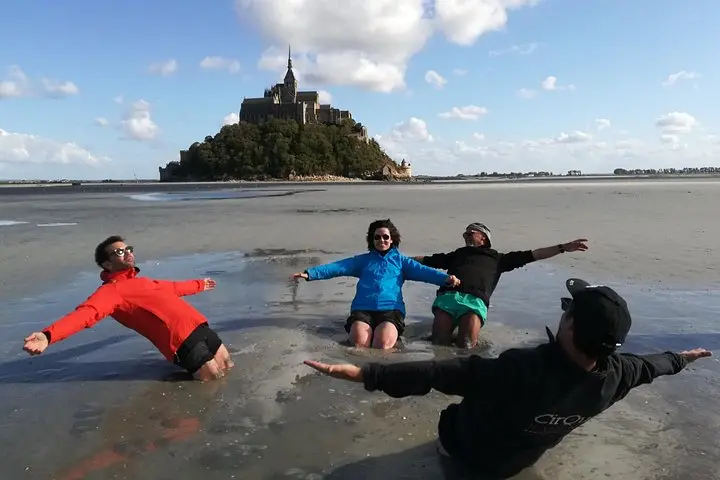
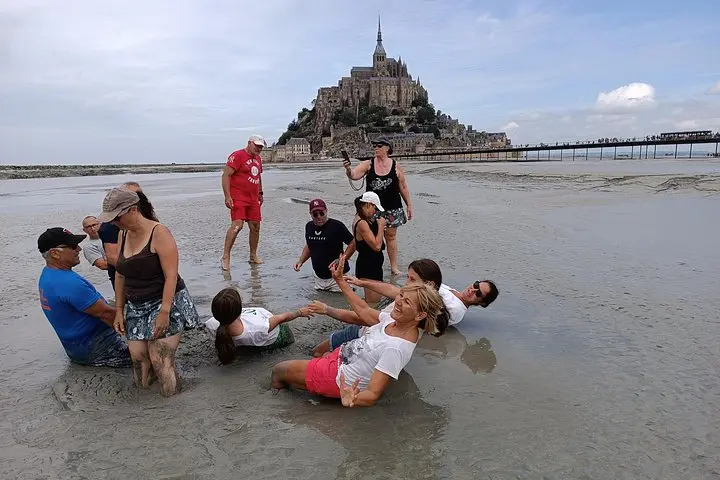
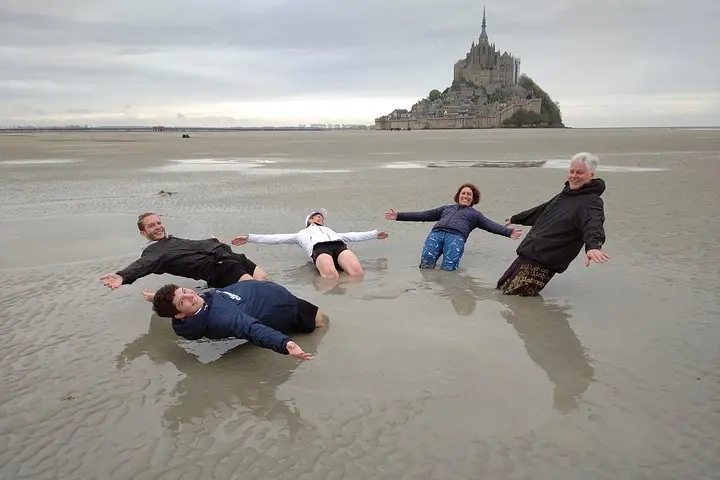
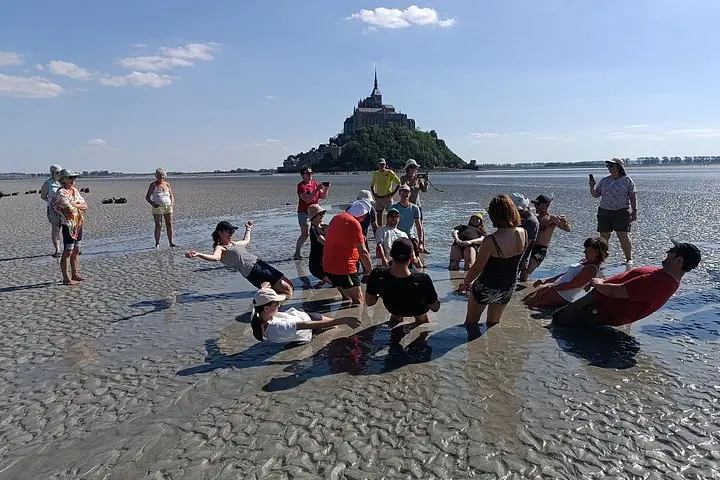
On this 75-minute, roughly 2 km loop, a state-certified guide (20+ years’ experience) explains the science and demonstrates safe self-rescue as participants deliberately sink to knee depth to learn the technique for getting out. The guide times everything to the tide, shows where to wash at a river edge, and steers groups away from dangerous channels. The experience blends natural history, hands-on learning, and the odd thrill of letting the sand hold you for a moment.
Practically, expect mud underfoot, cold water on cooler days, and a meeting time that changes with each tide window. Not recommended for pregnant travelers or those with spinal or serious heart conditions. Wear clothes you can get wet, bring a towel and spare layers, and plan for transport—Pontorson or Avranches are common bases. The bay rewards respectful curiosity: follow the guide, listen to the tide, and you’ll come away with a memorable, hands-on understanding of one of France’s most dynamic shorelines.
Participants typically sink to knee level; guides demonstrate proper posture and self‑rescue so you don’t get stuck beyond that depth.
Children can participate under supervision; guides manage group safety and show techniques, but guardians should assess their child’s comfort with mud and cold water.
Tours are tide‑dependent and may be cancelled in severe weather; the operator lists cancellation for bad weather and will notify you if conditions are unsafe.
No prior experience required—the guide provides instruction and hands‑on help; basic balance and mobility are sufficient.
Stephane GUENO Guide de la baie du Mont Saint Michel operates guided outdoor trips and adventures with an emphasis on safety, stewardship, and memorable experiences.
You step off the dike and the bay opens: a broad, soft plain of wet sand and shallow channels that seems to breathe with the tide. Wind throws salt against the stone of Mont Saint-Michel as the island watches from its high, ancient perch; the guide’s boots leave the only other prints.
You step off the dike and the bay opens: a broad, soft plain of wet sand and shallow channels that seems to breathe with the tide. Wind throws salt against the stone of Mont Saint-Michel as the island watches from its high, ancient perch; the guide’s boots leave the only other prints.
This strip of Normandy coast is famous for extreme tidal ranges—one of Europe's fastest—and for the fine alluvial sands and mudflats that build the bay. Mont Saint-Michel itself dates back to the 8th century and is a UNESCO World Heritage site; the surrounding flats were formed over millennia by river silts and oceanic currents that feed the quicksand pockets visitors test today.
On this 75-minute, roughly 2 km loop, a state-certified guide (20+ years’ experience) explains the science and demonstrates safe self-rescue as participants deliberately sink to knee depth to learn the technique for getting out. The guide times everything to the tide, shows where to wash at a river edge, and steers groups away from dangerous channels. The experience blends natural history, hands-on learning, and the odd thrill of letting the sand hold you for a moment.
Practically, expect mud underfoot, cold water on cooler days, and a meeting time that changes with each tide window. Not recommended for pregnant travelers or those with spinal or serious heart conditions. Wear clothes you can get wet, bring a towel and spare layers, and plan for transport—Pontorson or Avranches are common bases. The bay rewards respectful curiosity: follow the guide, listen to the tide, and you’ll come away with a memorable, hands-on understanding of one of France’s most dynamic shorelines.