THE ADVENTURE COLLECTIVE® · Independent discovery and booking for outdoor travel

Experience a single-day loop from Charleston to Wadmalaw Island: stand beneath a 500-year-old live oak, tour America’s only large-scale tea farm, and finish with wine tasting among coastal vines. Small-group touring keeps the pace relaxed and personal.
Experience a single-day loop from Charleston to Wadmalaw Island: stand beneath a 500-year-old live oak, tour America’s only large-scale tea farm, and finish with wine tasting among coastal vines. Small-group touring keeps the pace relaxed and personal.
You step off the sprinter van and the air changes—salt and damp earth, tea leaves warming under the sun, and the deep, cool shade of a tree that has watched centuries pass. The drive from downtown Charleston unfurls through marsh-lined causeways and narrow lanes that lead to Wadmalaw Island and the quieter rhythm of the Lowcountry.
Verified experiences and guided adventures in the surrounding area.
Operated by Snap! Picture Perfect Tours · Charleston, South Carolina
You step off the sprinter van and the air changes—salt and damp earth, tea leaves warming under the sun, and the deep, cool shade of a tree that has watched centuries pass. The drive from downtown Charleston unfurls through marsh-lined causeways and narrow lanes that lead to Wadmalaw Island and the quieter rhythm of the Lowcountry.
First stop: the Angel Oak, a live oak estimated at 400–500 years old whose outstretched limbs create a cathedral of moss-draped branches. Its presence anchors the island’s colonial and Gullah history, a living remnant of coastal Georgia and Carolina’s maritime forest ecology. The Tea Garden that follows is America’s largest commercial tea farm—rows of Camellia sinensis on flat, fertile island soil, plus a working factory that shows how withering, rolling, and drying turn leaves into tea. The day ends at Deep Water Vineyard, where sandy loam and maritime breezes shape crisp whites and approachable reds among low, wind-bent vines.
Practical guidance: the full loop commonly takes about 5–6 hours, with short walks and standing during tours and tastings. Wear sturdy, breathable shoes for the uneven roots near the oak and the farm paths at the vineyard. Bring sunscreen, a light rain layer, and a refillable bottle—water is provided but extra is wise on hot days. Lunch isn’t included; pack snacks or plan for a food-truck stop at the vineyard. Tours run small (max 10), so book early for weekend travel and allow extra time for traffic off the islands.
No—lunch is not included. You may bring your own food, and there’s occasionally a food truck at the vineyard, but options are limited.
Expect short, modest walks at each stop (15–90 minutes). Surfaces include paved paths, packed dirt, and tree roots—comfortable shoes recommended.
Yes—this family-friendly tour welcomes children; the vineyard often has kid-friendly activities, but check specific age policies when booking.
The tour meets at the Charleston Visitors Center bus shed in downtown Charleston and returns there at the end of the day.
Snap! Picture Perfect Tours operates guided outdoor trips and adventures with an emphasis on safety, stewardship, and memorable experiences.
You step off the sprinter van and the air changes—salt and damp earth, tea leaves warming under the sun, and the deep, cool shade of a tree that has watched centuries pass. The drive from downtown Charleston unfurls through marsh-lined causeways and narrow lanes that lead to Wadmalaw Island and the quieter rhythm of the Lowcountry.
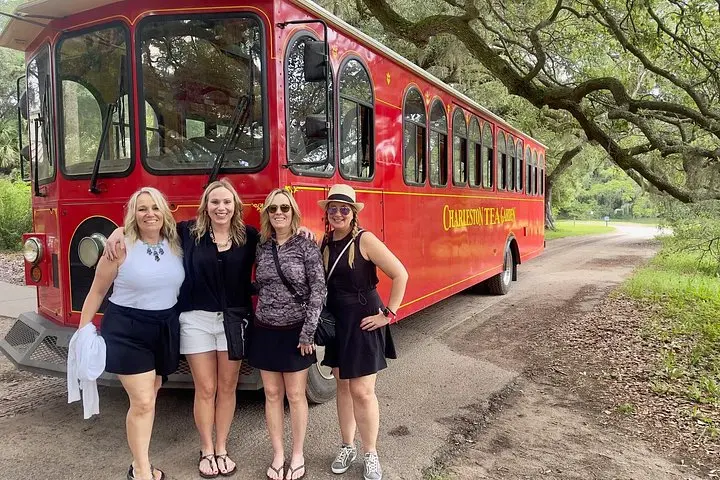
You step off the sprinter van and the air changes—salt and damp earth, tea leaves warming under the sun, and the deep, cool shade of a tree that has watched centuries pass. The drive from downtown Charleston unfurls through marsh-lined causeways and narrow lanes that lead to Wadmalaw Island and the quieter rhythm of the Lowcountry.
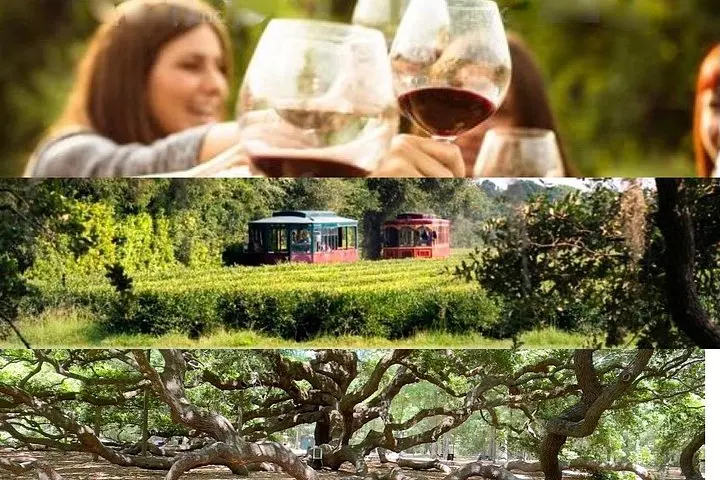
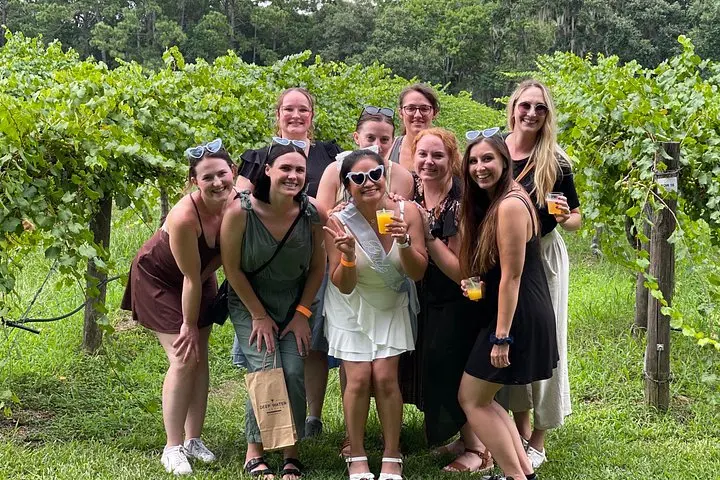
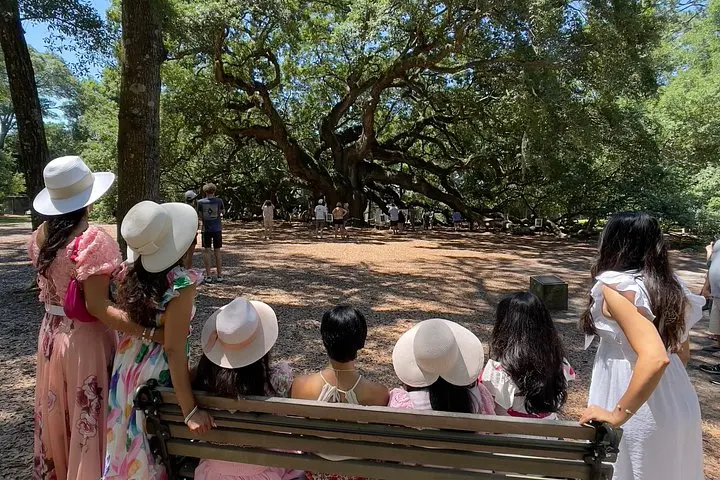
First stop: the Angel Oak, a live oak estimated at 400–500 years old whose outstretched limbs create a cathedral of moss-draped branches. Its presence anchors the island’s colonial and Gullah history, a living remnant of coastal Georgia and Carolina’s maritime forest ecology. The Tea Garden that follows is America’s largest commercial tea farm—rows of Camellia sinensis on flat, fertile island soil, plus a working factory that shows how withering, rolling, and drying turn leaves into tea. The day ends at Deep Water Vineyard, where sandy loam and maritime breezes shape crisp whites and approachable reds among low, wind-bent vines.
Practical guidance: the full loop commonly takes about 5–6 hours, with short walks and standing during tours and tastings. Wear sturdy, breathable shoes for the uneven roots near the oak and the farm paths at the vineyard. Bring sunscreen, a light rain layer, and a refillable bottle—water is provided but extra is wise on hot days. Lunch isn’t included; pack snacks or plan for a food-truck stop at the vineyard. Tours run small (max 10), so book early for weekend travel and allow extra time for traffic off the islands.