THE ADVENTURE COLLECTIVE® · Independent discovery and booking for outdoor travel

Witness the charged Wagah border lowering‑of‑flags ceremony and explore Amritsar’s Partition Museum and War Memorial in a single day. This tour pairs a dramatic public ritual with intimate museum stories of 1947 and a monument to Punjab’s soldiers.
Witness the charged Wagah border lowering‑of‑flags ceremony and explore Amritsar’s Partition Museum and War Memorial in a single day. This tour pairs a dramatic public ritual with intimate museum stories of 1947 and a monument to Punjab’s soldiers.
You step out of an air‑conditioned vehicle into a rising tide of sound: drums, whistles and the measured stomping of sentries as the sun slides toward the horizon at the India–Pakistan line. The crowd presses in on concrete terraces, flags snap in the wind, and the lowering‑of‑flags ceremony begins — loud, choreographed, and impossible to ignore.
Verified experiences and guided adventures in the surrounding area.
Operated by Triptivo techonologies private limited · Amritsar, Punjab
You step out of an air‑conditioned vehicle into a rising tide of sound: drums, whistles and the measured stomping of sentries as the sun slides toward the horizon at the India–Pakistan line. The crowd presses in on concrete terraces, flags snap in the wind, and the lowering‑of‑flags ceremony begins — loud, choreographed, and impossible to ignore.
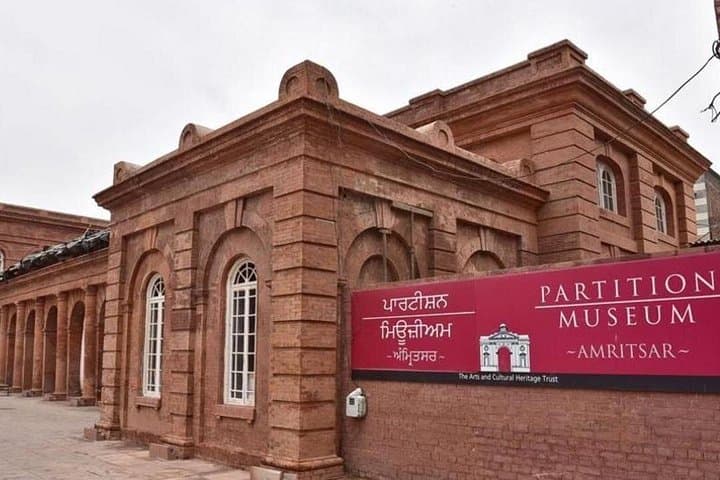
This full‑day tour pairs that dramatic ritual with two weighty sites of memory: the Partition Museum in Amritsar, where oral histories and salvaged possessions tell the human story of 1947, and the War Memorial whose 45‑meter steel sword marks names of Punjab’s fallen. Geologically the route runs across the flat alluvial plains of the Sutlej basin; culturally it traverses Punjabi military traditions, Sikh and Sikh‑influenced civic life, and the post‑colonial narratives that shaped both nations.
Plan practically: the Wagah ceremony is timed to sunset and security searches are strict. Expect loud drumming, packed stands and a brisk police presence; museum galleries are climate‑controlled but emotionally heavy. Bring a government ID, modest clothing, and sun protection in summer. Photography is common but follow staff directions at the border and memorial; avoid provocative gestures and respect moments of silence.
Timed transfers, bottled water and admissions are typically included in organized day tours. The experience is straightforward, physically easy, and highly timed — best enjoyed with patience, respect, and a readiness to listen to history as it unfolds in public performance.
The core ceremony lasts about 30–45 minutes, but plan to be at the border area for 60–90 minutes including security and seating.
Photography is generally allowed in public viewing areas and most museum spaces, but obey local signage and staff—avoid flash or close‑ups of security personnel.
No—this tour is suitable for most ages and fitness levels; it involves minimal walking and standing. Infants may be required to sit on laps during transport.
Many organized tours include air‑conditioned transport and pickup from Amritsar; confirm pickup point when you book.
Triptivo techonologies private limited operates guided outdoor trips and adventures with an emphasis on safety, stewardship, and memorable experiences.


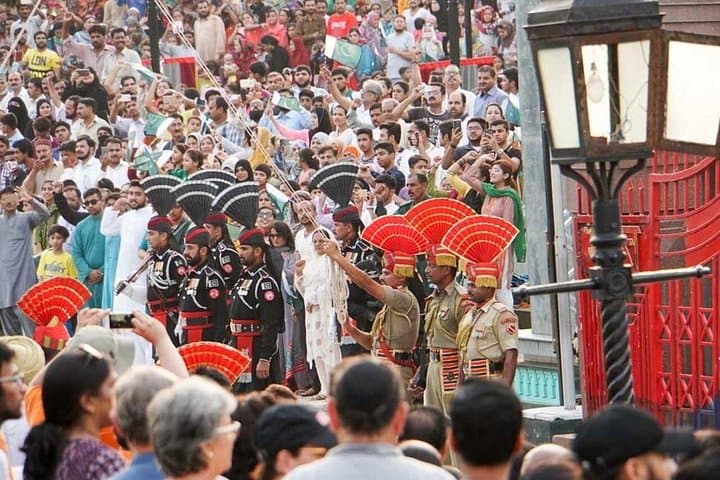
You step out of an air‑conditioned vehicle into a rising tide of sound: drums, whistles and the measured stomping of sentries as the sun slides toward the horizon at the India–Pakistan line. The crowd presses in on concrete terraces, flags snap in the wind, and the lowering‑of‑flags ceremony begins — loud, choreographed, and impossible to ignore.
You step out of an air‑conditioned vehicle into a rising tide of sound: drums, whistles and the measured stomping of sentries as the sun slides toward the horizon at the India–Pakistan line. The crowd presses in on concrete terraces, flags snap in the wind, and the lowering‑of‑flags ceremony begins — loud, choreographed, and impossible to ignore.
This full‑day tour pairs that dramatic ritual with two weighty sites of memory: the Partition Museum in Amritsar, where oral histories and salvaged possessions tell the human story of 1947, and the War Memorial whose 45‑meter steel sword marks names of Punjab’s fallen. Geologically the route runs across the flat alluvial plains of the Sutlej basin; culturally it traverses Punjabi military traditions, Sikh and Sikh‑influenced civic life, and the post‑colonial narratives that shaped both nations.
Plan practically: the Wagah ceremony is timed to sunset and security searches are strict. Expect loud drumming, packed stands and a brisk police presence; museum galleries are climate‑controlled but emotionally heavy. Bring a government ID, modest clothing, and sun protection in summer. Photography is common but follow staff directions at the border and memorial; avoid provocative gestures and respect moments of silence.
Timed transfers, bottled water and admissions are typically included in organized day tours. The experience is straightforward, physically easy, and highly timed — best enjoyed with patience, respect, and a readiness to listen to history as it unfolds in public performance.