THE ADVENTURE COLLECTIVE® · Independent discovery and booking for outdoor travel

Watch boots stamp and flags fall in synchrony at the Wagah Border’s daily flag retreat. This compact, choreographed ceremony—30–45 minutes from Amritsar—mixes military pageantry with local history and is best viewed with a passport, sun protection and early arrival.
Watch boots stamp and flags fall in synchrony at the Wagah Border’s daily flag retreat. This compact, choreographed ceremony—30–45 minutes from Amritsar—mixes military pageantry with local history and is best viewed with a passport, sun protection and early arrival.
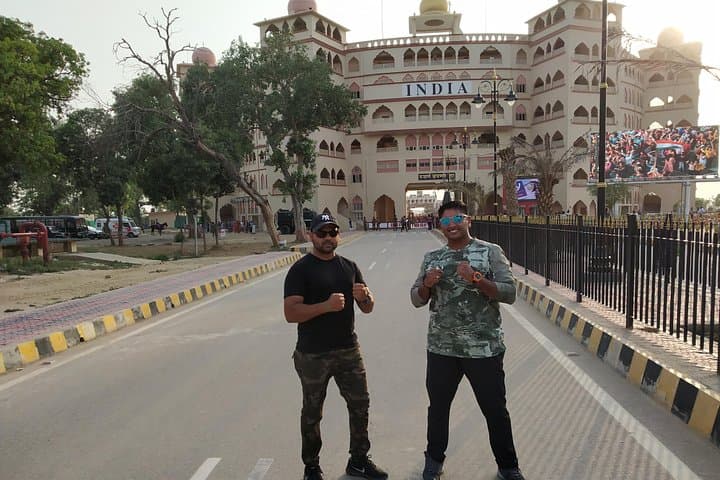
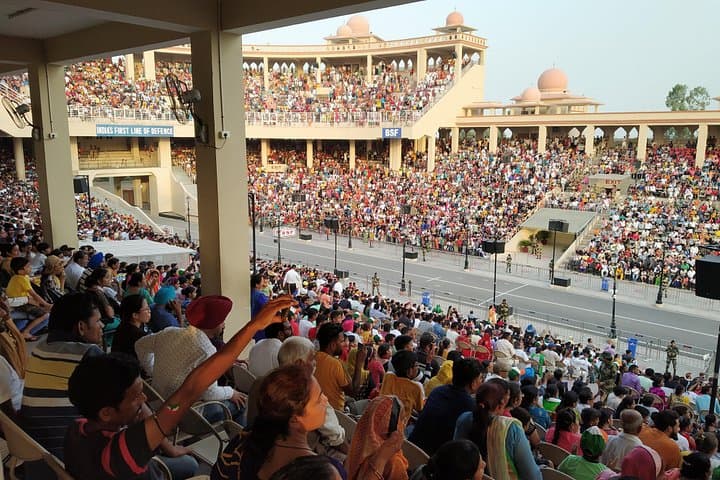
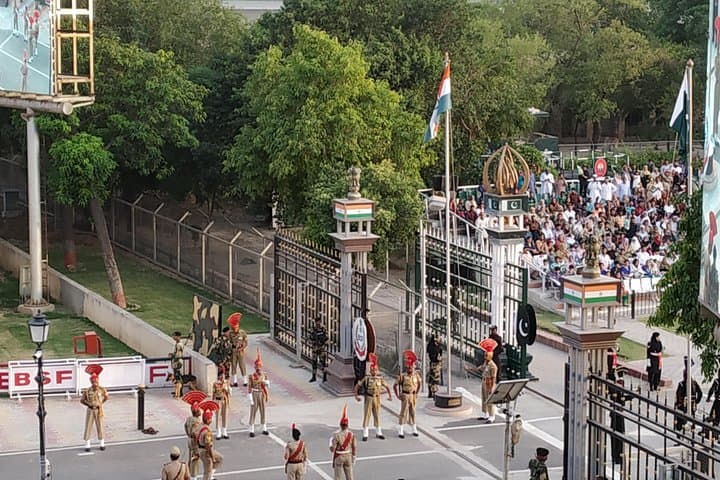
A low drumbeat, a rising cheer and two lines of soldiers—this is the Wagah Border at sunset. Crowds press into the concrete stadium as the sun slides behind broad agricultural flats; flags snap and boots stamp in perfect, theatrical unison. The ceremony is loud, choreographed rivalry: each gesture aims to showcase discipline and national pride while the border gate itself holds a quiet, immovable presence.
Verified experiences and guided adventures in the surrounding area.
Operated by Travel India With Peace · Amritsar, Punjab
A low drumbeat, a rising cheer and two lines of soldiers—this is the Wagah Border at sunset. Crowds press into the concrete stadium as the sun slides behind broad agricultural flats; flags snap and boots stamp in perfect, theatrical unison. The ceremony is loud, choreographed rivalry: each gesture aims to showcase discipline and national pride while the border gate itself holds a quiet, immovable presence.
The daily retreat grew from post‑Partition routines into a formalized ceremony in the 1950s, staged where Punjab’s flat alluvial plains meet the formal border line. The area’s geology is simple—fertile Indo‑Gangetic plain—so the spectacle is set against endless fields of wheat and rice rather than mountains. Nearby sites like Pul Kanjari and the War Memorial trace local history, from Maharaja Ranjit Singh’s regional influence to 20th‑century conflicts.
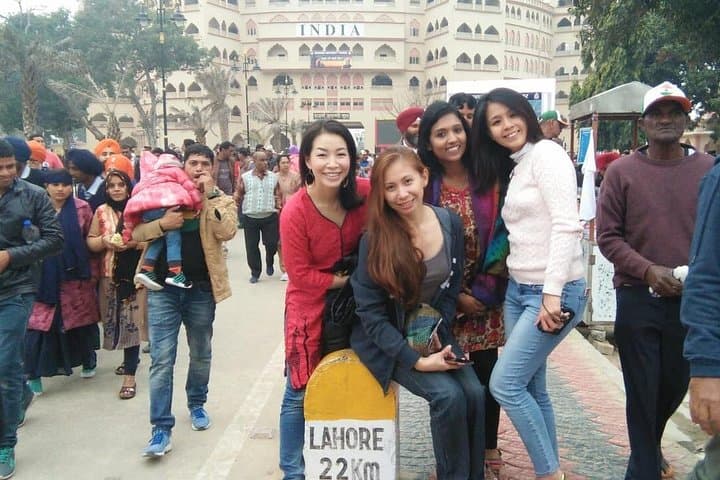
Expect high energy, chanting crowds, vendors selling chai and flags, and strict security checks; foreign visitors should carry passports for stadium entry. The drive from central Amritsar takes roughly 30–45 minutes along the Grand Trunk Road; guides often include short stops at military relics and the last Indian village before the fence.
Practical tips: arrive early to secure a good viewing spot, bring sun protection or a light jacket depending on season, and be prepared for standing, brief walking and loud noise. Photography is common but follow official instructions; tents, restricted zones and VIP entries are controlled. The Wagah ceremony is a compact, visceral slice of regional history—easy to reach, intense to witness, and best experienced with patience, respect and a charged sense of curiosity.
The main ceremony lasts about 20–30 minutes; tours typically allocate 1.5–2 hours at the border including arrival, security and exit.
Yes—foreign nationals are usually required to show passports for entry into the stadium area, so carry it with you.
Photography is generally allowed but follow instructions from officials; avoid restricted zones and do not photograph soldiers when explicitly asked not to.
There is average walking and some stairs; many operators note wheelchair accessibility for transport and parts of the stadium, but check with the provider in advance for specific assistance.
Travel India With Peace operates guided outdoor trips and adventures with an emphasis on safety, stewardship, and memorable experiences.
A low drumbeat, a rising cheer and two lines of soldiers—this is the Wagah Border at sunset. Crowds press into the concrete stadium as the sun slides behind broad agricultural flats; flags snap and boots stamp in perfect, theatrical unison. The ceremony is loud, choreographed rivalry: each gesture aims to showcase discipline and national pride while the border gate itself holds a quiet, immovable presence.
A low drumbeat, a rising cheer and two lines of soldiers—this is the Wagah Border at sunset. Crowds press into the concrete stadium as the sun slides behind broad agricultural flats; flags snap and boots stamp in perfect, theatrical unison. The ceremony is loud, choreographed rivalry: each gesture aims to showcase discipline and national pride while the border gate itself holds a quiet, immovable presence.
The daily retreat grew from post‑Partition routines into a formalized ceremony in the 1950s, staged where Punjab’s flat alluvial plains meet the formal border line. The area’s geology is simple—fertile Indo‑Gangetic plain—so the spectacle is set against endless fields of wheat and rice rather than mountains. Nearby sites like Pul Kanjari and the War Memorial trace local history, from Maharaja Ranjit Singh’s regional influence to 20th‑century conflicts.
Expect high energy, chanting crowds, vendors selling chai and flags, and strict security checks; foreign visitors should carry passports for stadium entry. The drive from central Amritsar takes roughly 30–45 minutes along the Grand Trunk Road; guides often include short stops at military relics and the last Indian village before the fence.
Practical tips: arrive early to secure a good viewing spot, bring sun protection or a light jacket depending on season, and be prepared for standing, brief walking and loud noise. Photography is common but follow official instructions; tents, restricted zones and VIP entries are controlled. The Wagah ceremony is a compact, visceral slice of regional history—easy to reach, intense to witness, and best experienced with patience, respect and a charged sense of curiosity.