THE ADVENTURE COLLECTIVE® · Independent discovery and booking for outdoor travel

Drive into the Sharqiyah Sands for a compact desert experience: dune driving, a short camel ride, a Bedouin house visit and a buffet dinner under open sky. Perfect for travelers based in Muscat who want a culturally rich, panoramic desert half-day (about 6–7 hours including transfers).
Drive into the Sharqiyah Sands for a compact desert experience: dune driving, a short camel ride, a Bedouin house visit and a buffet dinner under open sky. Perfect for travelers based in Muscat who want a culturally rich, panoramic desert half-day (about 6–7 hours including transfers).
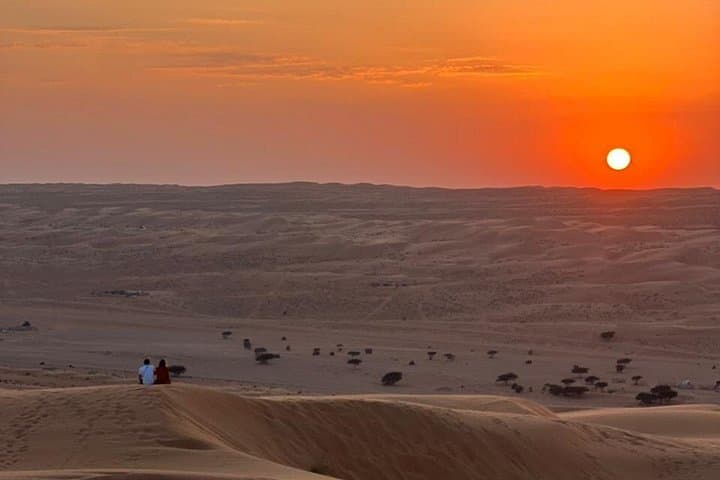
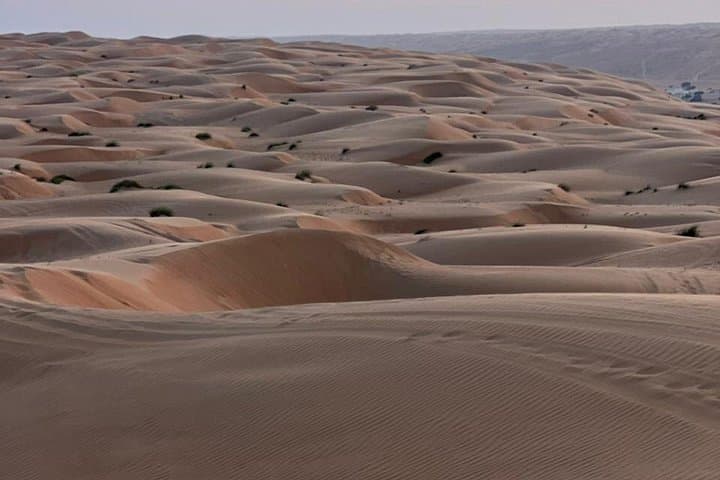
A warm wind pushes grit into your teeth as the 4x4 climbs a dune crest and the plain of Wahiba Sands spills away beneath a ribbon of wind-sculpted sand. The light is thin and golden; camels stand like patient islands at the camp while a driver reads the dunes with practiced ease.
Verified experiences and guided adventures in the surrounding area.
Operated by Oman Tour · Wahiba Sands (Sharqiyah Sands), Ash Sharqiyah
A warm wind pushes grit into your teeth as the 4x4 climbs a dune crest and the plain of Wahiba Sands spills away beneath a ribbon of wind-sculpted sand. The light is thin and golden; camels stand like patient islands at the camp while a driver reads the dunes with practiced ease.
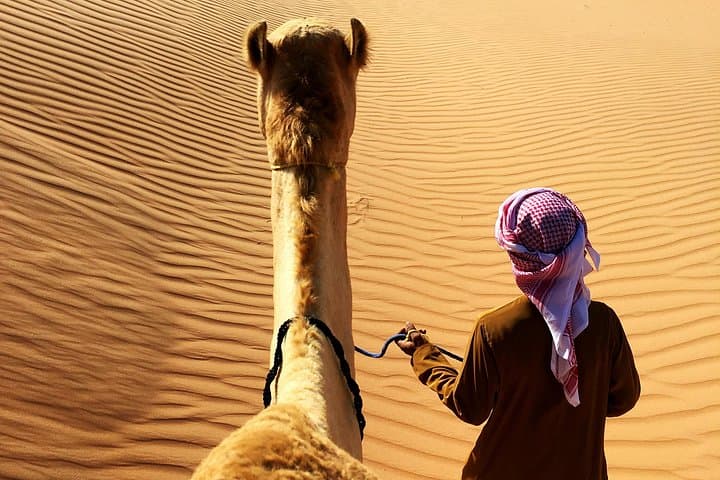
Geology here is simple and stark—an expanse of wind-blown sand that shifts with seasons and storms, forming transverse and seif dunes that can rise tens of meters. Human history threads through that landscape: Bedouin families have moved across these sands for centuries, grazing camels and harvesting water points. Modern tours link Muscat to remote camps where you’ll taste Omani coffee, try a short camel ride and learn basic desert lore from hosts whose traditions persist despite motorized access.
Culturally the visit is as much about hospitality as spectacle: dates and kahwa (coffee) are offered as a sign of welcome, and evening meals often feature local dishes. Environmentally, the dunes are fragile—tracks and camps concentrate impact—so low-impact behavior matters.
Practical guidance: expect roughly 6–7 hours including transfers; wear sturdy closed-toe shoes, sun protection and layers for cooling evenings. Hydrate before and during the trip; bring cash for souvenirs. If you’re prone to motion sickness, sit near the vehicle’s center during dune runs. The best light for photography is late afternoon into sunset, when dune shadows sharpen and colors deepen.
Most operators include transfers and the full excursion runs about 6–7 hours depending on pickup location and traffic—expect roughly 1.5–2 hours each way.
Yes—short camel rides are commonly offered; they’re generally safe for children but check weight/age limits and hold on as instructed.
No—this is rated easy. It involves short walks on sand and getting in/out of a 4x4; participants should have basic mobility.
Most half-day safaris include tea/coffee, water and a buffet dinner at the camp as listed in the tour inclusions.
Oman Tour operates guided outdoor trips and adventures with an emphasis on safety, stewardship, and memorable experiences.
A warm wind pushes grit into your teeth as the 4x4 climbs a dune crest and the plain of Wahiba Sands spills away beneath a ribbon of wind-sculpted sand. The light is thin and golden; camels stand like patient islands at the camp while a driver reads the dunes with practiced ease.
A warm wind pushes grit into your teeth as the 4x4 climbs a dune crest and the plain of Wahiba Sands spills away beneath a ribbon of wind-sculpted sand. The light is thin and golden; camels stand like patient islands at the camp while a driver reads the dunes with practiced ease.
Geology here is simple and stark—an expanse of wind-blown sand that shifts with seasons and storms, forming transverse and seif dunes that can rise tens of meters. Human history threads through that landscape: Bedouin families have moved across these sands for centuries, grazing camels and harvesting water points. Modern tours link Muscat to remote camps where you’ll taste Omani coffee, try a short camel ride and learn basic desert lore from hosts whose traditions persist despite motorized access.
Culturally the visit is as much about hospitality as spectacle: dates and kahwa (coffee) are offered as a sign of welcome, and evening meals often feature local dishes. Environmentally, the dunes are fragile—tracks and camps concentrate impact—so low-impact behavior matters.
Practical guidance: expect roughly 6–7 hours including transfers; wear sturdy closed-toe shoes, sun protection and layers for cooling evenings. Hydrate before and during the trip; bring cash for souvenirs. If you’re prone to motion sickness, sit near the vehicle’s center during dune runs. The best light for photography is late afternoon into sunset, when dune shadows sharpen and colors deepen.