THE ADVENTURE COLLECTIVE® · Independent discovery and booking for outdoor travel

Two days from Muscat delivers the essence of Oman: a starry night in Wahiba Sands, swims in Wadi Bani Khalid and Wadi Shab, and a coast marked by white beaches and a turquoise sinkhole. Expect manageable hikes, warm water, and big sky—balanced with practical guidance from a local driver-guide.
Two days from Muscat delivers the essence of Oman: a starry night in Wahiba Sands, swims in Wadi Bani Khalid and Wadi Shab, and a coast marked by white beaches and a turquoise sinkhole. Expect manageable hikes, warm water, and big sky—balanced with practical guidance from a local driver-guide.
Dawn in Muscat arrives soft and pale, the city shaking off sleep as your 4WD points east. Asphalt unwinds toward the Hajar Mountains, crags rising like folded paper, and the coast slips in and out of view. By midmorning you’re stepping through Ibra’s old quarter, a 1,000‑year mosaic of mud-and-limestone homes and carved doors, where quiet lanes hold the desert’s long memory of trade and tribe.
Verified experiences and guided adventures in the surrounding area.
Operated by Discover Mazoon Tours Oman · Bidiyah, Ash Sharqiyah North Governorate
Dawn in Muscat arrives soft and pale, the city shaking off sleep as your 4WD points east. Asphalt unwinds toward the Hajar Mountains, crags rising like folded paper, and the coast slips in and out of view. By midmorning you’re stepping through Ibra’s old quarter, a 1,000‑year mosaic of mud-and-limestone homes and carved doors, where quiet lanes hold the desert’s long memory of trade and tribe.
The road climbs again, bearing you into the folds that hide Wadi Bani Khalid. Ten minutes on foot and the canyon opens: tiered turquoise pools, 9 meters deep and startlingly clear. The water cheers you in—cool, clean, and buoyant—as date palms lean in to watch. Smooth rock shelves double as sun beds. Bring sturdy walking shoes; the path is short but polished by many feet and the limestone nips at toes unprotected.
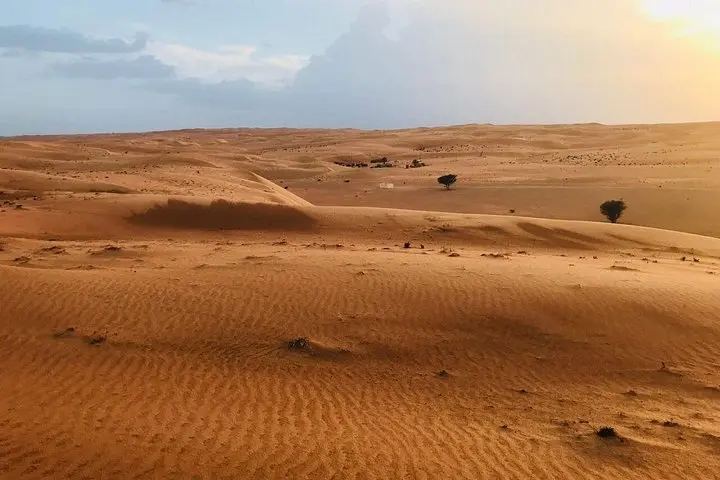
By afternoon the world turns to sand. Wahiba (Al Sharqiya) Sands spreads for 12,500 square kilometers, dunes running 180 kilometers north to south like a sleeping sea. The dunes are alive—you feel it when the wind pushes your footprints away and the crest line shifts under your calves. Climb a ridge for sunset and the light pours over the sand in slow motion. Night lands quickly. Your guide grills dinner under a sky so busy with stars it hums, and the desert cools, reminding you to pack a warm layer even on warm days.
Sunrise pries open day two. The dunes glow—a quiet, golden exhale—before you roll west to Wadi Shab. A 45‑minute hike threads palms, falaj channels, and slabby steps to a series of pools that pull you forward. The canyon dares you to keep going: swim pool to pool, then slip through a narrow seam into a hidden chamber where a small waterfall ricochets in turquoise light. The current nudges; calm, confident strokes return you to daylight.
A short hop lands you at Fins’ white-sand crescent and then Bimmah Sinkhole, a limestone punchbowl 50 by 70 meters wide and roughly 20 meters deep. The sea sits just 600 meters away, and the sinkhole’s water flashes aquamarine—another invitation.
It’s a two-day loop that captures Oman in microcosm: mountain wadis that run cool even in heat, an ocean-breathed coast, and a desert that stands quietly but moves under your feet. Expect 2.5–3 hours of total hiking across both days, plus optional dune strolls and swims. Hydrate constantly, protect your skin, wear modest swimwear out of respect for local norms, and trust your guide’s pacing. In a place this elemental, the details matter—and pay you back at every turn.
Plan on about 2.5–3 hours of total hiking over two days: a 45‑minute approach each way at Wadi Shab and short walks around Wadi Bani Khalid and the dunes.
You should be comfortable swimming short distances in calm, fresh water to fully enjoy Wadi Shab; flotation aids aren’t typically provided.
Your guide supplies tents, sleeping gear, dinner, breakfast, and soft drinks; you only need personal items and clothing.
Wadi sites and Bimmah Sinkhole have basic facilities; in the desert, facilities are limited to camp setup and Leave No Trace practices.
October to April offers milder temperatures and comfortable camping; summer is possible with early starts and extra hydration.
Coverage is intermittent in Wahiba Sands. Expect stronger signal along highways and towns, but limited reception at camp.
Discover Mazoon Tours Oman operates guided outdoor trips and adventures with an emphasis on safety, stewardship, and memorable experiences.
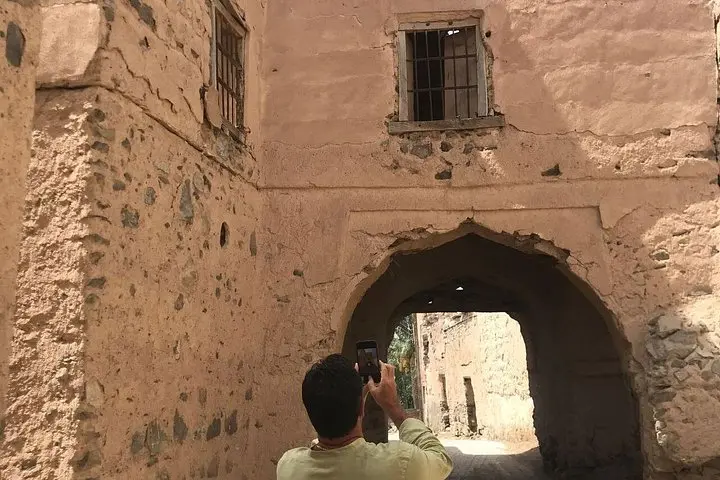
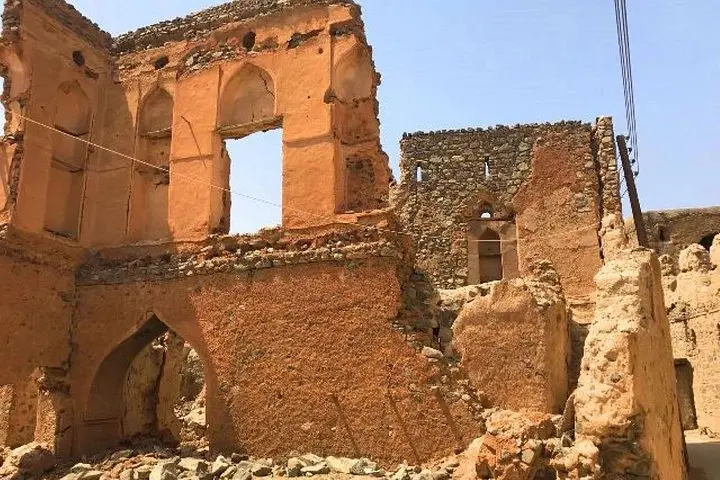
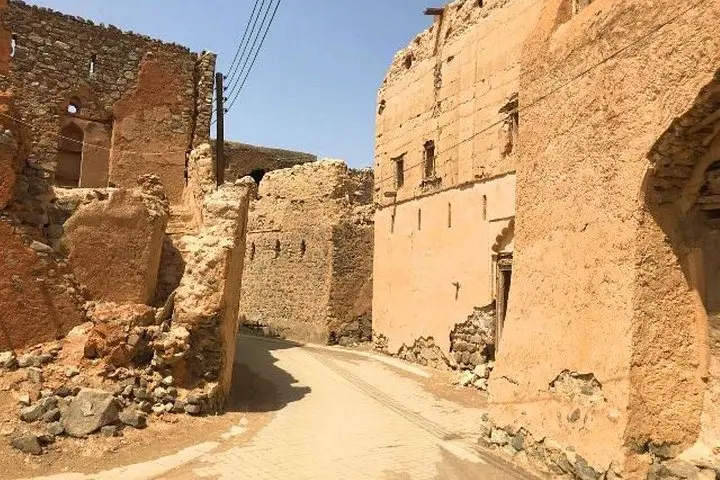
Dawn in Muscat arrives soft and pale, the city shaking off sleep as your 4WD points east. Asphalt unwinds toward the Hajar Mountains, crags rising like folded paper, and the coast slips in and out of view. By midmorning you’re stepping through Ibra’s old quarter, a 1,000‑year mosaic of mud-and-limestone homes and carved doors, where quiet lanes hold the desert’s long memory of trade and tribe.
Dawn in Muscat arrives soft and pale, the city shaking off sleep as your 4WD points east. Asphalt unwinds toward the Hajar Mountains, crags rising like folded paper, and the coast slips in and out of view. By midmorning you’re stepping through Ibra’s old quarter, a 1,000‑year mosaic of mud-and-limestone homes and carved doors, where quiet lanes hold the desert’s long memory of trade and tribe.
The road climbs again, bearing you into the folds that hide Wadi Bani Khalid. Ten minutes on foot and the canyon opens: tiered turquoise pools, 9 meters deep and startlingly clear. The water cheers you in—cool, clean, and buoyant—as date palms lean in to watch. Smooth rock shelves double as sun beds. Bring sturdy walking shoes; the path is short but polished by many feet and the limestone nips at toes unprotected.
By afternoon the world turns to sand. Wahiba (Al Sharqiya) Sands spreads for 12,500 square kilometers, dunes running 180 kilometers north to south like a sleeping sea. The dunes are alive—you feel it when the wind pushes your footprints away and the crest line shifts under your calves. Climb a ridge for sunset and the light pours over the sand in slow motion. Night lands quickly. Your guide grills dinner under a sky so busy with stars it hums, and the desert cools, reminding you to pack a warm layer even on warm days.
Sunrise pries open day two. The dunes glow—a quiet, golden exhale—before you roll west to Wadi Shab. A 45‑minute hike threads palms, falaj channels, and slabby steps to a series of pools that pull you forward. The canyon dares you to keep going: swim pool to pool, then slip through a narrow seam into a hidden chamber where a small waterfall ricochets in turquoise light. The current nudges; calm, confident strokes return you to daylight.
A short hop lands you at Fins’ white-sand crescent and then Bimmah Sinkhole, a limestone punchbowl 50 by 70 meters wide and roughly 20 meters deep. The sea sits just 600 meters away, and the sinkhole’s water flashes aquamarine—another invitation.
It’s a two-day loop that captures Oman in microcosm: mountain wadis that run cool even in heat, an ocean-breathed coast, and a desert that stands quietly but moves under your feet. Expect 2.5–3 hours of total hiking across both days, plus optional dune strolls and swims. Hydrate constantly, protect your skin, wear modest swimwear out of respect for local norms, and trust your guide’s pacing. In a place this elemental, the details matter—and pay you back at every turn.