THE ADVENTURE COLLECTIVE® · Independent discovery and booking for outdoor travel

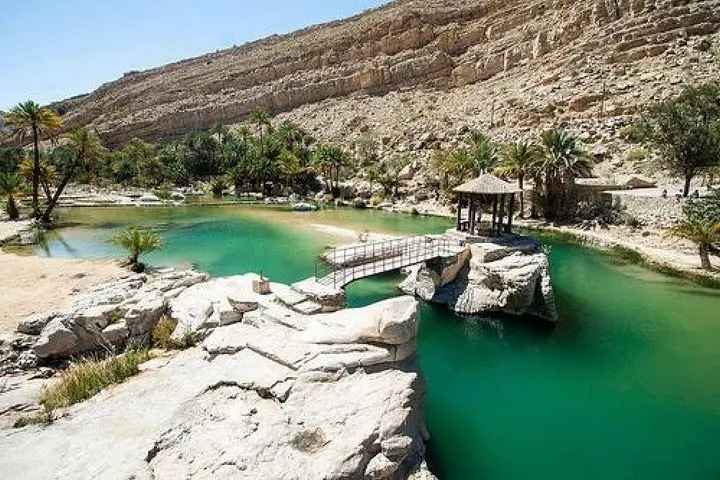
Drive into the Sharqiya (Wahiba) Sands, spend a night in a desert camp, then cool off in the palm-fringed pools of Wadi Bani Khalid. This two-day loop from Muscat combines dune driving, short hikes, and a cultural stop at Ibra’s market.
Drive into the Sharqiya (Wahiba) Sands, spend a night in a desert camp, then cool off in the palm-fringed pools of Wadi Bani Khalid. This two-day loop from Muscat combines dune driving, short hikes, and a cultural stop at Ibra’s market.
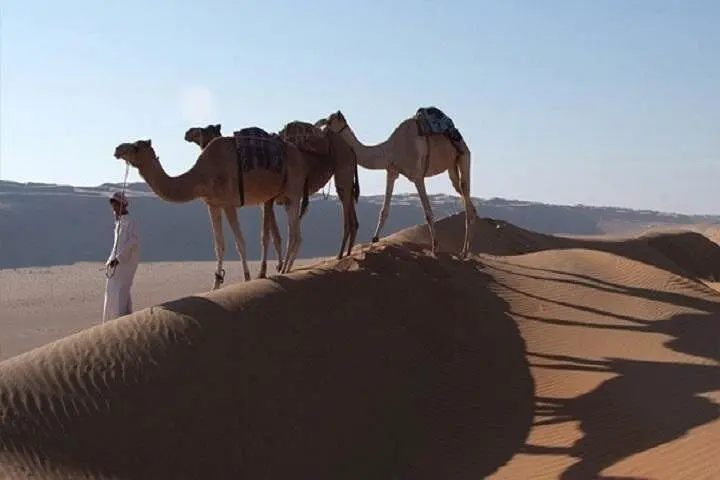
You step out of the vehicle and the dunes answer — a soft, wind-sculpted rise that seems to move under your feet. By late afternoon the sand drinks the sun and throws it back in copper and rose; by night the sky opens, an exact, cold scatter of stars.
Verified experiences and guided adventures in the surrounding area.
Operated by Oman Day Tours · Muscat, Muscat Governorate
You step out of the vehicle and the dunes answer — a soft, wind-sculpted rise that seems to move under your feet. By late afternoon the sand drinks the sun and throws it back in copper and rose; by night the sky opens, an exact, cold scatter of stars.
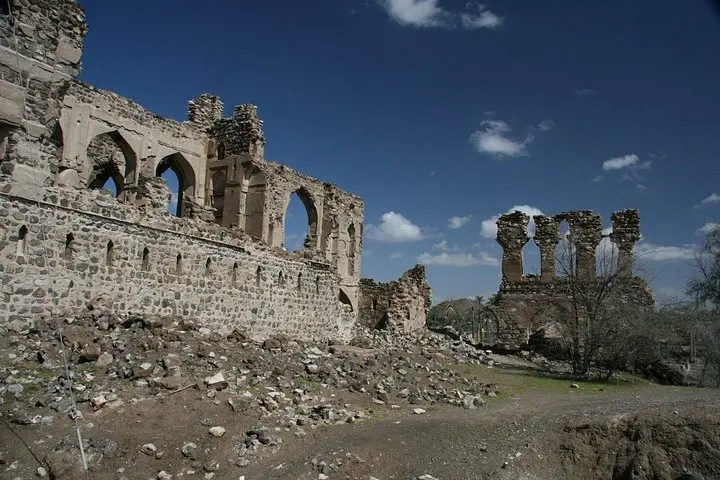
This two-day route runs from Muscat into Oman’s eastern desert country: the Sharqiya (Wahiba) Sands for dune driving and a desert-camp overnight, then the palm-lined pools and steep-walled channels of Wadi Bani Khalid, with a morning visit to the market and old quarter of Ibra on the return. Geologically the sands are young wind-borne dunes sitting above gravel plains; the wadi cuts through older carbonate and sandstone, collecting perennial pools where underground aquifers reach the surface.
Culturally the trip moves through Bedouin country and historic trading towns — Ibra’s souq still trades silverwork and frankincense, and local guides often explain traditional water-sharing systems (aflaj) and camel husbandry.
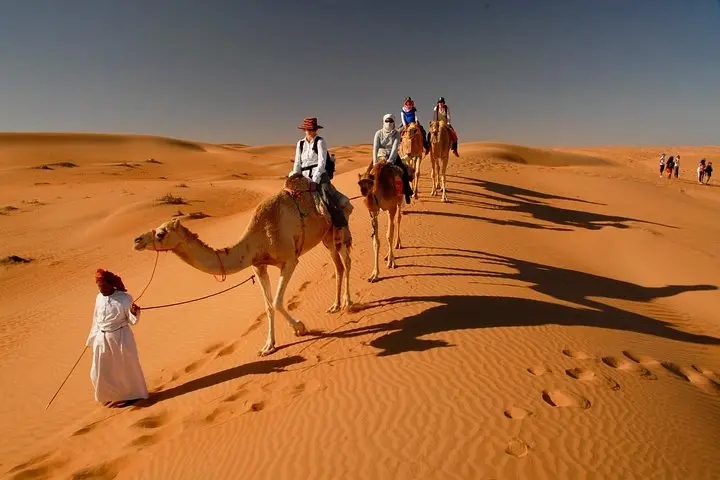
On the practical side expect a mix of short walks, a 4x4 dune run, swimming in clear wadi pools, and an overnight in a desert camp with basic facilities. Bring layered clothing for hot days and cool nights, sun protection, and a refillable water bottle; wear closed shoes for dune scrambling.
Timing matters: dawn and late-afternoon light are best for both photos and comfortable hiking. Respect private camps and local customs, and avoid walking on vegetation or fragile dune surfaces. This itinerary fits travelers seeking accessible adventure — minimal technical skills, maximum desert character.
The drive takes about 2–3 hours each way depending on traffic and exact pick-up point in Muscat.
Yes; tours typically use experienced drivers who moderate speed, but infants should use specialized seats and all children must be supervised.
Generally yes — the wadi has perennial pools, but water levels vary seasonally and sudden rain upstream can change conditions.
This package includes an overnight in a desert camp; expect basic lodging, sleeping mats or mattresses, shared toilets, and often a communal dinner and campfire.
Oman Day Tours operates guided outdoor trips and adventures with an emphasis on safety, stewardship, and memorable experiences.
You step out of the vehicle and the dunes answer — a soft, wind-sculpted rise that seems to move under your feet. By late afternoon the sand drinks the sun and throws it back in copper and rose; by night the sky opens, an exact, cold scatter of stars.
You step out of the vehicle and the dunes answer — a soft, wind-sculpted rise that seems to move under your feet. By late afternoon the sand drinks the sun and throws it back in copper and rose; by night the sky opens, an exact, cold scatter of stars.
This two-day route runs from Muscat into Oman’s eastern desert country: the Sharqiya (Wahiba) Sands for dune driving and a desert-camp overnight, then the palm-lined pools and steep-walled channels of Wadi Bani Khalid, with a morning visit to the market and old quarter of Ibra on the return. Geologically the sands are young wind-borne dunes sitting above gravel plains; the wadi cuts through older carbonate and sandstone, collecting perennial pools where underground aquifers reach the surface.
Culturally the trip moves through Bedouin country and historic trading towns — Ibra’s souq still trades silverwork and frankincense, and local guides often explain traditional water-sharing systems (aflaj) and camel husbandry.
On the practical side expect a mix of short walks, a 4x4 dune run, swimming in clear wadi pools, and an overnight in a desert camp with basic facilities. Bring layered clothing for hot days and cool nights, sun protection, and a refillable water bottle; wear closed shoes for dune scrambling.
Timing matters: dawn and late-afternoon light are best for both photos and comfortable hiking. Respect private camps and local customs, and avoid walking on vegetation or fragile dune surfaces. This itinerary fits travelers seeking accessible adventure — minimal technical skills, maximum desert character.