THE ADVENTURE COLLECTIVE® · Independent discovery and booking for outdoor travel

Experience Hilo’s waterfalls with a Native Hawaiian guide who weaves ʻŌlelo Hawaiʻi, place names, and ecology into a 4–5 hour hike and swim. Expect mixed terrain, cool plunge pools, and cultural context that connects each cascade to island history.
Experience Hilo’s waterfalls with a Native Hawaiian guide who weaves ʻŌlelo Hawaiʻi, place names, and ecology into a 4–5 hour hike and swim. Expect mixed terrain, cool plunge pools, and cultural context that connects each cascade to island history.
You step off the van into a humid green hush: ferns brush your calves, the ground is warm with volcanic soil, and the river ahead tugs like a willing partner. The guide speaks in ʻŌlelo Hawaiʻi and English, naming the ridge, the stream, the plant beside your boot—language that hands you a map written in relationships rather than lines on paper.
Verified experiences and guided adventures in the surrounding area.
Operated by Christian Kealohapauʻoleokeali’iahokulaninuiākea Phillips · Hilo, Hawaii
You step off the van into a humid green hush: ferns brush your calves, the ground is warm with volcanic soil, and the river ahead tugs like a willing partner. The guide speaks in ʻŌlelo Hawaiʻi and English, naming the ridge, the stream, the plant beside your boot—language that hands you a map written in relationships rather than lines on paper.
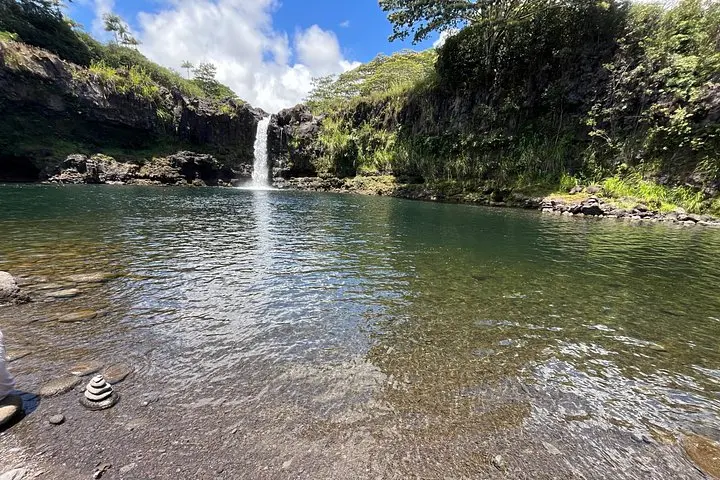
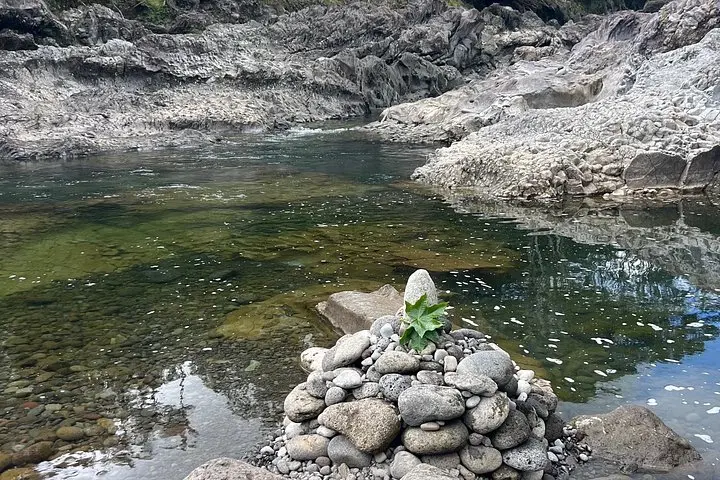
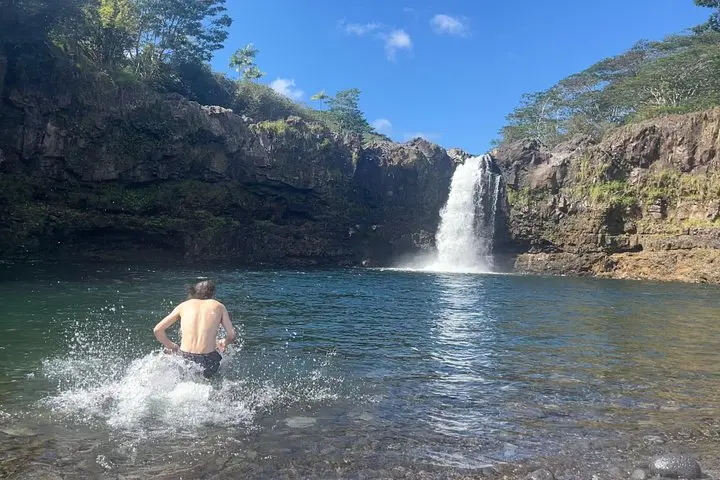
This loop of waterfalls around Hilo traces recent volcanic geology, valleys carved by fast-moving rain and lava flows that rerouted streams. Akaka Falls and Waiānuenue (Rainbow) Falls show how basalt cliffs and persistent tropical rains produce plunge pools and persistent mists. The cultural history is braided into every name and spring: water is ancestry in Hawaiian worldview, a living connector to uplands and sea, and many place names describe function or genealogy rather than simple location.
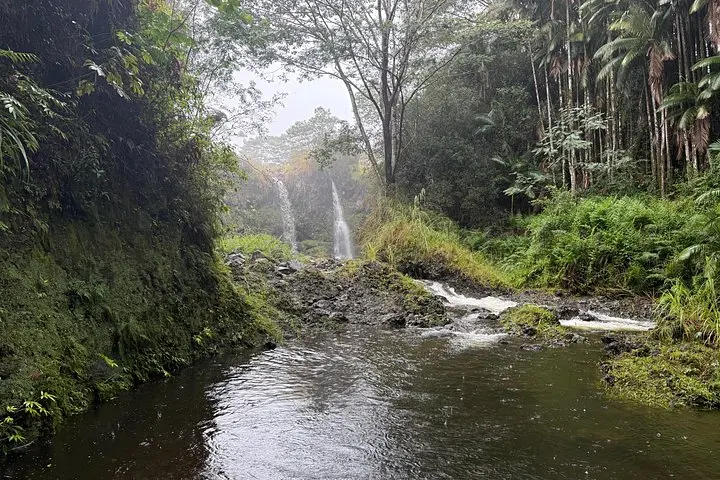
Expect mixed terrain—packed dirt, slick roots, stream crossings—and stretches where the trail narrows near cliff edges. Water temperatures run cool year-round; currents can be deceptively strong after heavy rain. The guided tour includes local explanations of endemic plants, a focus on sustainable practices, and snacks and Hawaiʻi water.
Practical prep: wear sturdy, quick-draining footwear and a light waterproof layer. Start early to avoid mid-day showers and the largest crowds at Rainbow Falls. Bring a dry bag for electronics, reef-safe sunscreen, and a modest towel for the swim. Respect cultural sites and follow the guide’s instructions for safe swimming and exit points—these are active river systems, not calm resort pools.
No; guides translate and teach key ʻŌlelo Hawaiʻi terms during the tour—language is offered as cultural context, not a requirement.
Swimming access depends on current water levels and safety; the guide evaluates conditions and will direct you to approved plunge pools.
Moderate fitness is required—expect uneven trails, short steep sections, and stream crossings over a 4–5 hour outing.
Yes—Hilo has local transit options and the tour notes nearby public transport, but confirm pickup details when booking.
Christian Kealohapauʻoleokeali’iahokulaninuiākea Phillips operates guided outdoor trips and adventures with an emphasis on safety, stewardship, and memorable experiences.
You step off the van into a humid green hush: ferns brush your calves, the ground is warm with volcanic soil, and the river ahead tugs like a willing partner. The guide speaks in ʻŌlelo Hawaiʻi and English, naming the ridge, the stream, the plant beside your boot—language that hands you a map written in relationships rather than lines on paper.
You step off the van into a humid green hush: ferns brush your calves, the ground is warm with volcanic soil, and the river ahead tugs like a willing partner. The guide speaks in ʻŌlelo Hawaiʻi and English, naming the ridge, the stream, the plant beside your boot—language that hands you a map written in relationships rather than lines on paper.
This loop of waterfalls around Hilo traces recent volcanic geology, valleys carved by fast-moving rain and lava flows that rerouted streams. Akaka Falls and Waiānuenue (Rainbow) Falls show how basalt cliffs and persistent tropical rains produce plunge pools and persistent mists. The cultural history is braided into every name and spring: water is ancestry in Hawaiian worldview, a living connector to uplands and sea, and many place names describe function or genealogy rather than simple location.
Expect mixed terrain—packed dirt, slick roots, stream crossings—and stretches where the trail narrows near cliff edges. Water temperatures run cool year-round; currents can be deceptively strong after heavy rain. The guided tour includes local explanations of endemic plants, a focus on sustainable practices, and snacks and Hawaiʻi water.
Practical prep: wear sturdy, quick-draining footwear and a light waterproof layer. Start early to avoid mid-day showers and the largest crowds at Rainbow Falls. Bring a dry bag for electronics, reef-safe sunscreen, and a modest towel for the swim. Respect cultural sites and follow the guide’s instructions for safe swimming and exit points—these are active river systems, not calm resort pools.