THE ADVENTURE COLLECTIVE® · Independent discovery and booking for outdoor travel

Spend a relaxed day touring three boutique vineyards on Waiheke Island—sample 10–15 wines, enjoy scenic drives and pre-booked tastings, and learn local stories from a knowledgeable guide. This small-group experience pairs island scenery with accessible cellar-door hospitality.
Spend a relaxed day touring three boutique vineyards on Waiheke Island—sample 10–15 wines, enjoy scenic drives and pre-booked tastings, and learn local stories from a knowledgeable guide. This small-group experience pairs island scenery with accessible cellar-door hospitality.
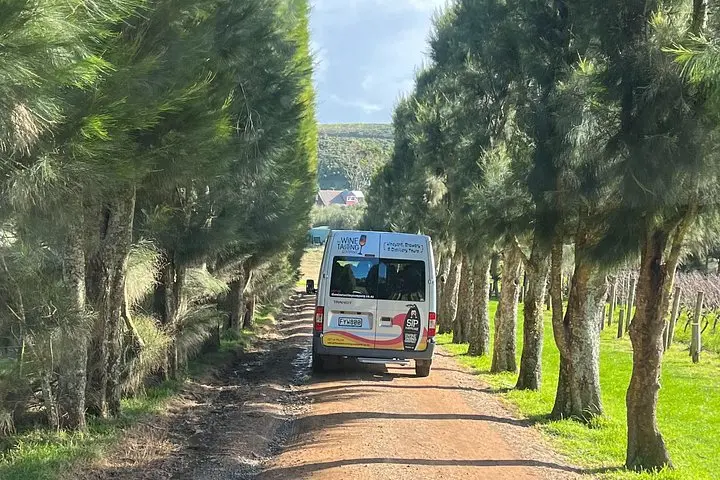
The ferry slips away from Auckland and suddenly the air changes—salt and a softer wind that teases the vines. Rolling hills unfurl, dotted with low stone walls and grape rows that lean into the sun; the driver drops you at narrow lanes where gravel crunches underfoot and the island’s light seems built for wine.
Verified experiences and guided adventures in the surrounding area.
Operated by The Wine Tasting Company · Waiheke Island, Auckland Region
The ferry slips away from Auckland and suddenly the air changes—salt and a softer wind that teases the vines. Rolling hills unfurl, dotted with low stone walls and grape rows that lean into the sun; the driver drops you at narrow lanes where gravel crunches underfoot and the island’s light seems built for wine.
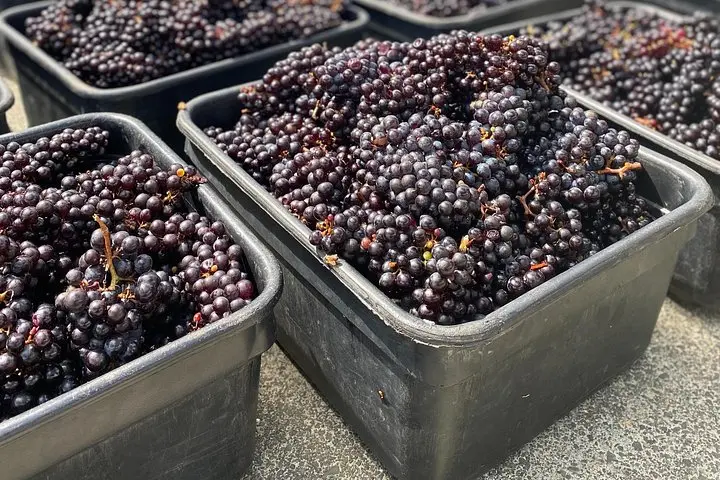
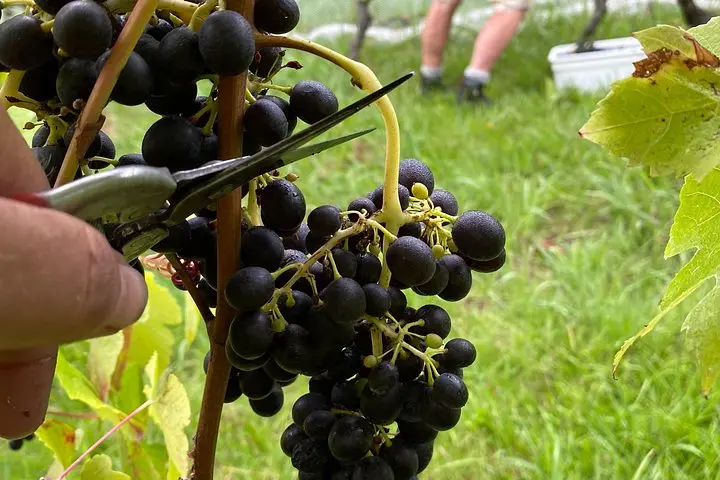
Waiheke’s viticultural story is recent but robust: Māori used the island’s sheltered bays for seasonal harvests long before European settlers planted olive groves and vines in the 20th century. Geologically, the island is a rhyolite remnant of volcanic activity—free-draining soils, warm aspects and maritime moderation that favor Bordeaux and Mediterranean varieties. Small estates and gallery cafes reflect a culture part-art community, part-productive farm.
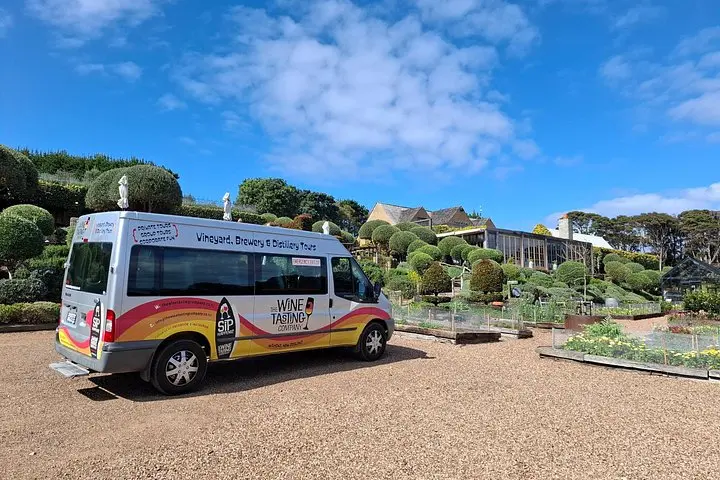
On a typical boutique cellar tour you’ll visit three vineyards, taste 10–15 wines, and pause for lunch at a vineyard terrace or beachside café. Guides share local anecdotes—about celebrity vintners, migratory bar-tailed godwits that stop on the shore, and how microclimates change a Syrah from one ridge to the next.
Practical guidance: book the 5–6 hour tour to align with a morning ferry; wear stable shoes for vineyard strolls and bring sun protection and a light layer for coastal breezes. Expect short walks (100–600 m) on gravel and grass, seated tastings, and pre-reserved lunch options (lunch cost not included). If driving yourself afterward, factor in pacing—palate fatigue sets in faster than you think. Respect cellar etiquette: spitting is normal, and designated drivers should be planned if you’re sampling widely.
The tour runs about 5–6 hours and typically starts with a ferry arrival point or central drop-off on Waiheke; confirm exact pickup details when booking.
No—lunch reservations are pre-booked but food cost is not included; menus vary by vineyard or beachside restaurant.
Yes—non-drinkers can enjoy the scenery and commentary; most venues offer non-alcoholic options and the guide can arrange water and alternatives.
Yes—this small-group tour specializes in short walk access and often drops guests close to vineyard entrances for convenience.
The Wine Tasting Company operates guided outdoor trips and adventures with an emphasis on safety, stewardship, and memorable experiences.
The ferry slips away from Auckland and suddenly the air changes—salt and a softer wind that teases the vines. Rolling hills unfurl, dotted with low stone walls and grape rows that lean into the sun; the driver drops you at narrow lanes where gravel crunches underfoot and the island’s light seems built for wine.
The ferry slips away from Auckland and suddenly the air changes—salt and a softer wind that teases the vines. Rolling hills unfurl, dotted with low stone walls and grape rows that lean into the sun; the driver drops you at narrow lanes where gravel crunches underfoot and the island’s light seems built for wine.
Waiheke’s viticultural story is recent but robust: Māori used the island’s sheltered bays for seasonal harvests long before European settlers planted olive groves and vines in the 20th century. Geologically, the island is a rhyolite remnant of volcanic activity—free-draining soils, warm aspects and maritime moderation that favor Bordeaux and Mediterranean varieties. Small estates and gallery cafes reflect a culture part-art community, part-productive farm.
On a typical boutique cellar tour you’ll visit three vineyards, taste 10–15 wines, and pause for lunch at a vineyard terrace or beachside café. Guides share local anecdotes—about celebrity vintners, migratory bar-tailed godwits that stop on the shore, and how microclimates change a Syrah from one ridge to the next.
Practical guidance: book the 5–6 hour tour to align with a morning ferry; wear stable shoes for vineyard strolls and bring sun protection and a light layer for coastal breezes. Expect short walks (100–600 m) on gravel and grass, seated tastings, and pre-reserved lunch options (lunch cost not included). If driving yourself afterward, factor in pacing—palate fatigue sets in faster than you think. Respect cellar etiquette: spitting is normal, and designated drivers should be planned if you’re sampling widely.