THE ADVENTURE COLLECTIVE® · Independent discovery and booking for outdoor travel

Step off the ferry and into a chorus of tui, bellbird and seabirds on this three-hour private birding tour of Waiheke Island. Learn about predator-free conservation efforts, spot coastal and forest species, and walk easy trails with an expert local guide.
Step off the ferry and into a chorus of tui, bellbird and seabirds on this three-hour private birding tour of Waiheke Island. Learn about predator-free conservation efforts, spot coastal and forest species, and walk easy trails with an expert local guide.
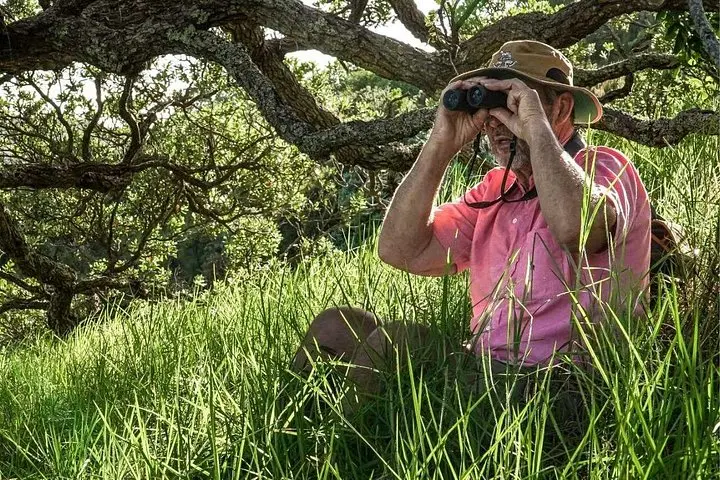
You step off the ferry and the island greets you with a choir: tui note-clicks, a distant shag calling from the slipway, waves tapping the hull of the jetty. A local guide holds a sign, bins at the ready, and within minutes you’re cutting inland along a gravel track where restored bush pushes at the edges like an eager host.
Verified experiences and guided adventures in the surrounding area.
Operated by Terra & Tide · Waiheke Island, Auckland
You step off the ferry and the island greets you with a choir: tui note-clicks, a distant shag calling from the slipway, waves tapping the hull of the jetty. A local guide holds a sign, bins at the ready, and within minutes you’re cutting inland along a gravel track where restored bush pushes at the edges like an eager host.
Waiheke’s birding is unusual for its scale and its recent comeback. Once cleared for pasture and vineyard, much of the island has been replanted and protected under Te Korowai O Waiheke, a government-backed predator-free initiative aimed at giving native species room to return. The geology is Pliocene volcanic—rolling rhyolite ridges and sandstone bays—so trails alternate between firm, grassed crests and shaded gullies where korimako (bellbird) flutters through the understory.
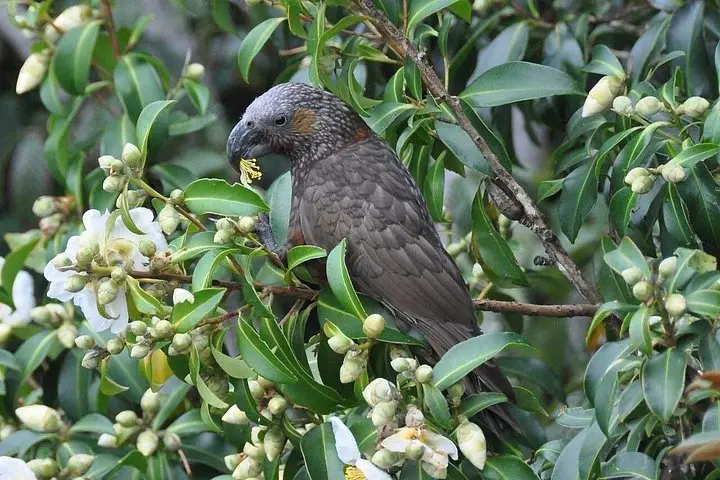
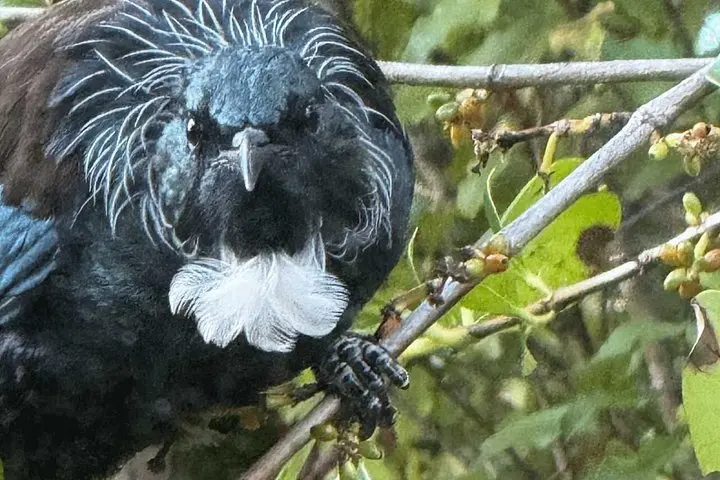
The private tour moves at a deliberate, watchful pace. Expect stretches of easy to moderate walking—coastal headlands, a pocket of regional park forest, and short climbs to lookouts with Tasman Sea views. Along the way your guide points out seabirds working the coastline—gannets and fluttering shearwaters at distance—then trains attention on the forest: tui’s white throat-pouches, kererū lumbering through the canopy, and sometimes the quick flash of a silvereye.
This is as much a conservation briefing as a birdwatch. Guides explain trapping lines, predator control, and habitat restoration that has made Waiheke a magnet for species that had been pushed off most other Hauraki Gulf isles. Cultural notes thread through the walk, too: Māori place names, historical pa sites, and how the island’s vineyards and communities now balance tourism with restoration.
Practically, the tour is three hours, private, and designed for all fitness levels—suitable for families and people new to birding. Binoculars are provided, but bring a light jacket; wind and drizzle are part of island weather and can flip conditions quickly. Shoes with good traction will keep you steady on slippery coastal rocks and damp tracks. Photography options are plentiful at headlands and in the paya-like light under the canopy—fast lenses or a telephoto will reward you.
Logistics are straightforward: meet at the ferry terminal in Waiheke (guides often greet arriving ferry passengers) or arrange hotel pickup on Oneroa, Surfdale, or Palm Beach with advance notice. The operator runs in most weather—dress in layers—and offers private transport in Mercedes vans and snacks.
If you want concentrated birdwatching with local knowledge, a private tour here compresses a season’s worth of sightings into a morning. The island’s birds are eager to make themselves known; your job is to listen.
Guides typically meet arriving ferry passengers at the Waiheke ferry terminal; confirm pickup details when booking and you can request hotel pickup in Oneroa, Surfdale, or Palm Beach.
Yes—birding binoculars are included, though you may bring your own for preferred optics.
Yes; the tour is rated easy and designed for all fitness levels, but notify the operator of mobility concerns when booking so they can accommodate.
Common sightings include tui, kererū (wood pigeon), bellbird, silvereye, spotted shag, and various shearwaters; sightings vary by season and weather.
The tour operates in most weather—dress appropriately—but check cancellation rules; full refund available if cancelled 24 hours prior per the operator’s policy.
Regular ferries run from downtown Auckland to Waiheke (Hauraki Gulf); the guide meets you at the Waiheke ferry terminal on arrival unless another pickup is arranged.
Terra & Tide operates guided outdoor trips and adventures with an emphasis on safety, stewardship, and memorable experiences.
You step off the ferry and the island greets you with a choir: tui note-clicks, a distant shag calling from the slipway, waves tapping the hull of the jetty. A local guide holds a sign, bins at the ready, and within minutes you’re cutting inland along a gravel track where restored bush pushes at the edges like an eager host.
You step off the ferry and the island greets you with a choir: tui note-clicks, a distant shag calling from the slipway, waves tapping the hull of the jetty. A local guide holds a sign, bins at the ready, and within minutes you’re cutting inland along a gravel track where restored bush pushes at the edges like an eager host.
Waiheke’s birding is unusual for its scale and its recent comeback. Once cleared for pasture and vineyard, much of the island has been replanted and protected under Te Korowai O Waiheke, a government-backed predator-free initiative aimed at giving native species room to return. The geology is Pliocene volcanic—rolling rhyolite ridges and sandstone bays—so trails alternate between firm, grassed crests and shaded gullies where korimako (bellbird) flutters through the understory.
The private tour moves at a deliberate, watchful pace. Expect stretches of easy to moderate walking—coastal headlands, a pocket of regional park forest, and short climbs to lookouts with Tasman Sea views. Along the way your guide points out seabirds working the coastline—gannets and fluttering shearwaters at distance—then trains attention on the forest: tui’s white throat-pouches, kererū lumbering through the canopy, and sometimes the quick flash of a silvereye.
This is as much a conservation briefing as a birdwatch. Guides explain trapping lines, predator control, and habitat restoration that has made Waiheke a magnet for species that had been pushed off most other Hauraki Gulf isles. Cultural notes thread through the walk, too: Māori place names, historical pa sites, and how the island’s vineyards and communities now balance tourism with restoration.
Practically, the tour is three hours, private, and designed for all fitness levels—suitable for families and people new to birding. Binoculars are provided, but bring a light jacket; wind and drizzle are part of island weather and can flip conditions quickly. Shoes with good traction will keep you steady on slippery coastal rocks and damp tracks. Photography options are plentiful at headlands and in the paya-like light under the canopy—fast lenses or a telephoto will reward you.
Logistics are straightforward: meet at the ferry terminal in Waiheke (guides often greet arriving ferry passengers) or arrange hotel pickup on Oneroa, Surfdale, or Palm Beach with advance notice. The operator runs in most weather—dress in layers—and offers private transport in Mercedes vans and snacks.
If you want concentrated birdwatching with local knowledge, a private tour here compresses a season’s worth of sightings into a morning. The island’s birds are eager to make themselves known; your job is to listen.