THE ADVENTURE COLLECTIVE® · Independent discovery and booking for outdoor travel

Spend a luxurious nine hours exploring Waiheke’s vineyards, olive groves and beaches with a private chauffeur who arranges ferries, tastings and a relaxed, customizable itinerary. This is a day designed to savor wines, views and local produce without logistics or rush.
Spend a luxurious nine hours exploring Waiheke’s vineyards, olive groves and beaches with a private chauffeur who arranges ferries, tastings and a relaxed, customizable itinerary. This is a day designed to savor wines, views and local produce without logistics or rush.
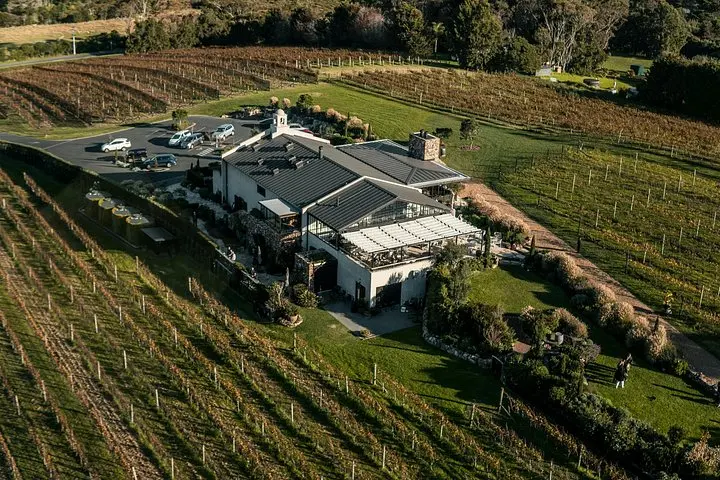
The morning ferry pushes away from Half Moon Bay and the city shrinks to a smear of glass and concrete; out here the sea takes the lead and Waiheke answers with wind-cut ridgelines, olive groves and rows of vines that slope toward the Hauraki Gulf.
Verified experiences and guided adventures in the surrounding area.
Operated by Marquee Limousines · Waiheke Island, Auckland Region
The morning ferry pushes away from Half Moon Bay and the city shrinks to a smear of glass and concrete; out here the sea takes the lead and Waiheke answers with wind-cut ridgelines, olive groves and rows of vines that slope toward the Hauraki Gulf.
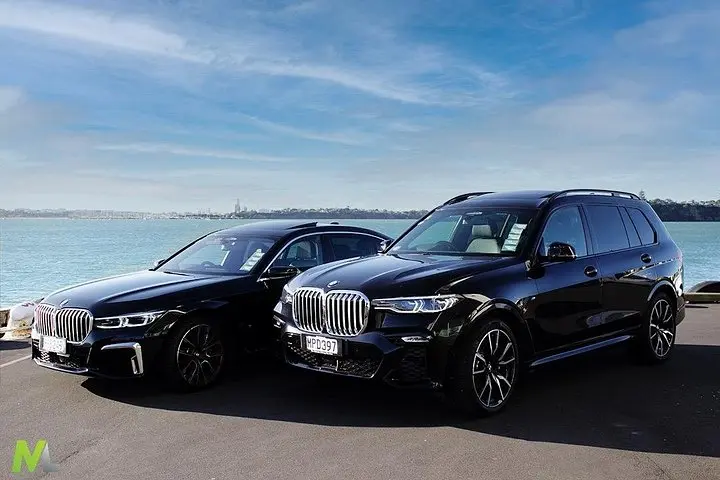
A private sedan—leather seats, climate control, a chauffeur who knows which vineyard is pouring the region's best chardonnay—drops guests at a ferry ramp and then becomes a quiet moving base for a day of slow exploration. Over nine hours the island reveals itself in phases: maritime glare on the crossing, the low-slung bush that curls around lanes, terraces of vines that slope to the sea and, between tastings, the small economies of cafés and artisan producers.
Waiheke's wine story is relatively young. Intensive viticulture began in the late 20th century when growers realized the island's maritime microclimates, free-draining soils and north-facing slopes produced grapes with focused acidity and saline notes. Māori occupation long predates vineyards; local iwi maintained seasonal food-gathering and pā sites across the island's ridges. Today, the island balances cultural landscapes with tourism—wineries sit on ancient contours, and many estates work with local knowledge to steward the land.
Geologically the island is folded greywacke and sandstone uplifted and carved by wind and sea; the soil variations—clay pockets, free-draining gravels—are why neighboring vineyards can taste so different. Culturally, Waiheke prizes small-scale craft: olive presses, ceramic studios and kitchens that translate island produce into a straightforward, tactile cuisine.
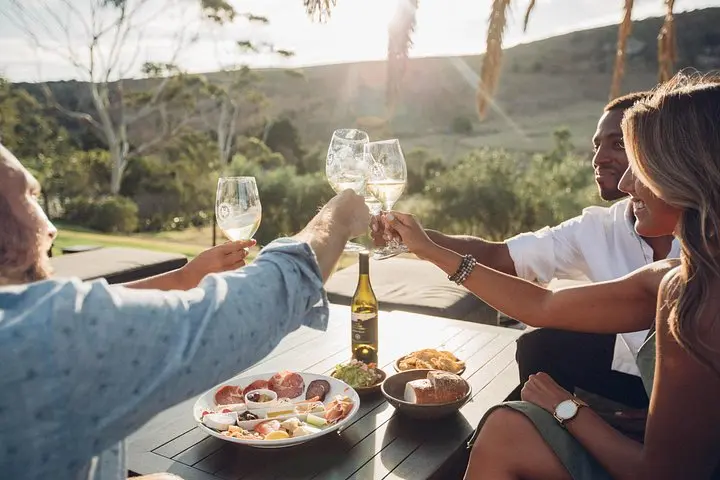
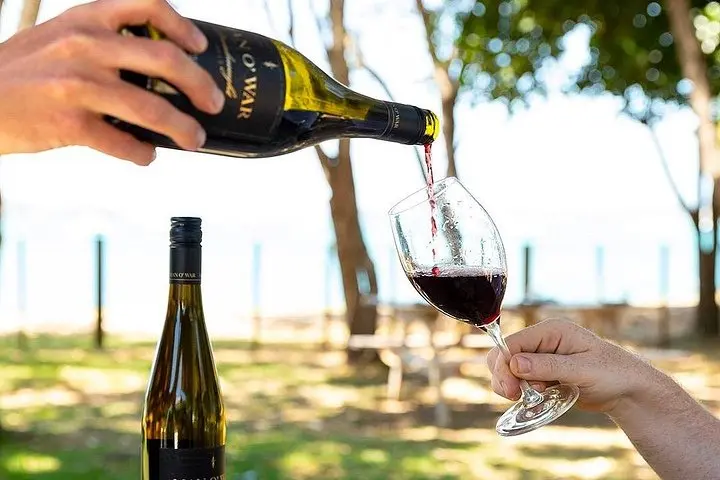
Practically speaking, this is a day to relax and plan less. The private tour handles ferry logistics and driving so guests can sample wines without watching the clock. Tastings often carry a fee; lunches range from casual pizzas to chef-driven pairings. Wear shoes that can handle both gravel vineyard tracks and a grass lawn, bring a sun layer even on cooler days, and budget for cellar-door fees and purchases—many wines are only available on the island.
Timings are generous: three main tasting stops, a ferry crossing each way, and time to linger at a lookout. Hydration matters—salt and sun accentuate the effect of tasting. If you want a tailored focus—a wine education, a seafood lunch, or a photography stop—communicate it when you book; that's the point of a private chauffeur-led itinerary.
At day's end the ferry eases away from shore as the late light flattens the vines into bands. You arrive back in the city with warm glass impressions, a few bottles tucked into the trunk, and the easy certainty that you moved at the island's pace rather than its timetable.
The tour coordinates ferry crossings for the private car; ferry costs are listed as an inclusion for car transport—confirm exact vehicle ferry arrangements when booking.
Yes; the tour is private and designed to tailor wineries, lunch style and pacing to your preferences—communicate requests at booking.
Tasting fees are usually not included and vary by vineyard—expect modest fees at premium estates; lunches are typically extra unless specified.
Yes; chauffeur pickup is provided across Auckland hotels and the driver arrives approximately 10 minutes before departure.
The activity is labeled suitable for all fitness levels, but it’s not recommended for those under 18; child seats and stroller access may be available—check when booking.
The tour operates rain or shine; vineyards have covered tasting areas, but ferry and island conditions can vary—confirm cancellation policy which allows full refund if canceled 24 hours prior.
Marquee Limousines operates guided outdoor trips and adventures with an emphasis on safety, stewardship, and memorable experiences.
The morning ferry pushes away from Half Moon Bay and the city shrinks to a smear of glass and concrete; out here the sea takes the lead and Waiheke answers with wind-cut ridgelines, olive groves and rows of vines that slope toward the Hauraki Gulf.
The morning ferry pushes away from Half Moon Bay and the city shrinks to a smear of glass and concrete; out here the sea takes the lead and Waiheke answers with wind-cut ridgelines, olive groves and rows of vines that slope toward the Hauraki Gulf.
A private sedan—leather seats, climate control, a chauffeur who knows which vineyard is pouring the region's best chardonnay—drops guests at a ferry ramp and then becomes a quiet moving base for a day of slow exploration. Over nine hours the island reveals itself in phases: maritime glare on the crossing, the low-slung bush that curls around lanes, terraces of vines that slope to the sea and, between tastings, the small economies of cafés and artisan producers.
Waiheke's wine story is relatively young. Intensive viticulture began in the late 20th century when growers realized the island's maritime microclimates, free-draining soils and north-facing slopes produced grapes with focused acidity and saline notes. Māori occupation long predates vineyards; local iwi maintained seasonal food-gathering and pā sites across the island's ridges. Today, the island balances cultural landscapes with tourism—wineries sit on ancient contours, and many estates work with local knowledge to steward the land.
Geologically the island is folded greywacke and sandstone uplifted and carved by wind and sea; the soil variations—clay pockets, free-draining gravels—are why neighboring vineyards can taste so different. Culturally, Waiheke prizes small-scale craft: olive presses, ceramic studios and kitchens that translate island produce into a straightforward, tactile cuisine.
Practically speaking, this is a day to relax and plan less. The private tour handles ferry logistics and driving so guests can sample wines without watching the clock. Tastings often carry a fee; lunches range from casual pizzas to chef-driven pairings. Wear shoes that can handle both gravel vineyard tracks and a grass lawn, bring a sun layer even on cooler days, and budget for cellar-door fees and purchases—many wines are only available on the island.
Timings are generous: three main tasting stops, a ferry crossing each way, and time to linger at a lookout. Hydration matters—salt and sun accentuate the effect of tasting. If you want a tailored focus—a wine education, a seafood lunch, or a photography stop—communicate it when you book; that's the point of a private chauffeur-led itinerary.
At day's end the ferry eases away from shore as the late light flattens the vines into bands. You arrive back in the city with warm glass impressions, a few bottles tucked into the trunk, and the easy certainty that you moved at the island's pace rather than its timetable.