THE ADVENTURE COLLECTIVE® · Independent discovery and booking for outdoor travel

Swap the beach snorkel for real ocean time: a PADI-led two-tank shallow dive from Waikiki that pairs professional instruction with sheltered reef sites. Ideal for beginners and certified divers who want safe, gear-up experiences close to the hotels.
Swap the beach snorkel for real ocean time: a PADI-led two-tank shallow dive from Waikiki that pairs professional instruction with sheltered reef sites. Ideal for beginners and certified divers who want safe, gear-up experiences close to the hotels.
The boat slips away from the Waikiki breakwater and the city’s skyline drops into a low, familiar band along the horizon. Salt and diesel mix in the air as instructors run through one-on-one checks, the clack of regulators and fins a practical percussion to the ocean’s hush. In minutes the shoreline is a distant line; below, a mosaic of coral and rock waits in shallow blues, inviting you to move from tourist to participant.
Verified experiences and guided adventures in the surrounding area.
Operated by Waikiki Dive Center · Honolulu, Hawaii
The boat slips away from the Waikiki breakwater and the city’s skyline drops into a low, familiar band along the horizon. Salt and diesel mix in the air as instructors run through one-on-one checks, the clack of regulators and fins a practical percussion to the ocean’s hush. In minutes the shoreline is a distant line; below, a mosaic of coral and rock waits in shallow blues, inviting you to move from tourist to participant.
Oahu’s reefs are the weathered fringe of an island formed by fire. The volcanic backbone of the island has cooled and spread into shallow ledges where coral colonies have taken hold; currents carve channels and create pockets where fish concentrate. Waikiki’s beaches were once fisheries and canoe harbors for ali‘i—today the same ocean is a classroom. Local guides at Waikiki Dive Center pair PADI-standard training with decades of regional knowledge so first-timers slip into the water with good briefing and better gear.
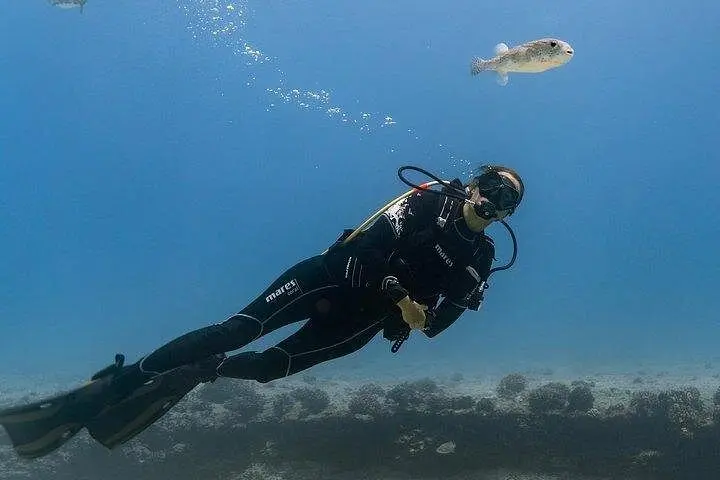
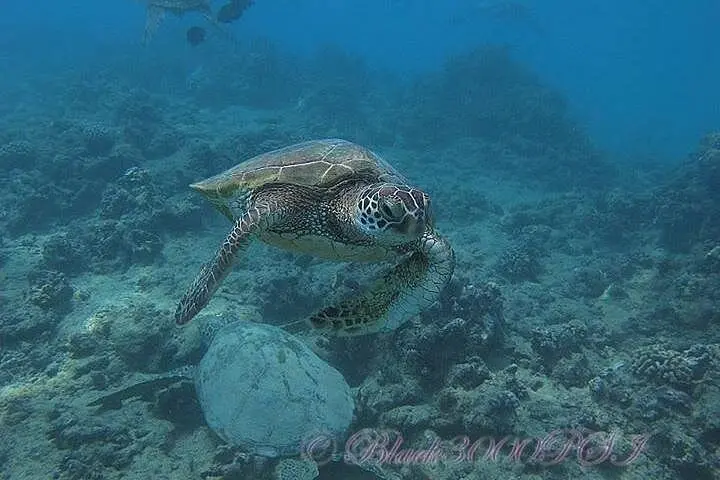
This two-tank shallow dive itinerary favors safety and sightings over depth. Expect dives in the 10–40 foot range (3–12 m), ideal for steady buoyancy practice and long looks at honu (green sea turtles), eagle rays, reef sharks, octopus and dense schools of butterflyfish. In calmer seasons dolphins sometimes thread the surface nearby. The operator's Coast Guard–certified vessels and ScubaPro equipment make the logistics straightforward: meeting at 424 Nahua Street in Waikiki, a short boat ride to bespoke sites chosen for visibility and shelter.
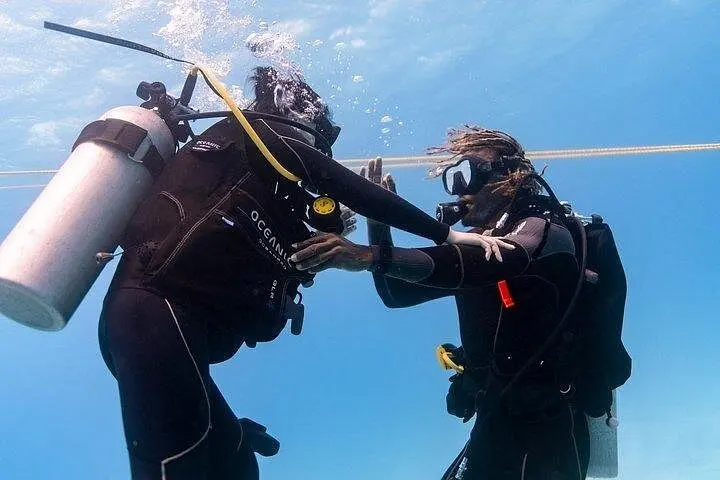
Practicalities matter. Beginners complete a PADI medical questionnaire and receive one-on-one instruction; certified divers are grouped by experience level. The entire outing runs roughly four hours, including transit and surface intervals. You cannot fly within 18 hours after diving—this is non-negotiable due to decompression risk. Hydrate, avoid alcohol beforehand, and plan transportation: Waikiki Dive Center is walkable from most hotels, eliminating long transfers.
A few tips for making the most of it: arrive early and leave valuables onshore, practice breathing slowly during confined-water drills, and use reef-safe sunscreen. If you’re prone to motion sickness, take a prevention tablet the night before and again before boarding. Consider a private instructor if you want extra coaching; group ratios are small, but personalized attention changes the learning curve.
The reward is immediate: hovering in a warmed column of Pacific beneath a bright Hawaiian sky, hand on the reef, watching a turtle ignore the city while you breathe easily in its world. It’s accessible, educative and built around responsible local practice—exactly the kind of ocean encounter that lingers long after you’ve dried off.
No—beginners are welcome; the program includes discovery training and supervised shallow open-water dives with PADI professionals.
Sites are shallow—typically 10–40 feet (3–12 m)—designed for long bottom time and visibility for learners.
Scuba gear (ScubaPro-grade) is included; bring swimsuit, towel, reef-safe sunscreen, ID and any required medical consent forms.
You must complete the PADI medical questionnaire; certain conditions require a physician’s signed clearance prior to diving.
The operator offers a valet diving service and transport options, but the shop is within a 15-minute walk of most Waikiki hotels.
Full refund if canceled at least 24 hours before departure; cancellations within 48 hours and late/no-shows may forfeit payment per shop policy.
Waikiki Dive Center operates guided outdoor trips and adventures with an emphasis on safety, stewardship, and memorable experiences.
The boat slips away from the Waikiki breakwater and the city’s skyline drops into a low, familiar band along the horizon. Salt and diesel mix in the air as instructors run through one-on-one checks, the clack of regulators and fins a practical percussion to the ocean’s hush. In minutes the shoreline is a distant line; below, a mosaic of coral and rock waits in shallow blues, inviting you to move from tourist to participant.
The boat slips away from the Waikiki breakwater and the city’s skyline drops into a low, familiar band along the horizon. Salt and diesel mix in the air as instructors run through one-on-one checks, the clack of regulators and fins a practical percussion to the ocean’s hush. In minutes the shoreline is a distant line; below, a mosaic of coral and rock waits in shallow blues, inviting you to move from tourist to participant.
Oahu’s reefs are the weathered fringe of an island formed by fire. The volcanic backbone of the island has cooled and spread into shallow ledges where coral colonies have taken hold; currents carve channels and create pockets where fish concentrate. Waikiki’s beaches were once fisheries and canoe harbors for ali‘i—today the same ocean is a classroom. Local guides at Waikiki Dive Center pair PADI-standard training with decades of regional knowledge so first-timers slip into the water with good briefing and better gear.
This two-tank shallow dive itinerary favors safety and sightings over depth. Expect dives in the 10–40 foot range (3–12 m), ideal for steady buoyancy practice and long looks at honu (green sea turtles), eagle rays, reef sharks, octopus and dense schools of butterflyfish. In calmer seasons dolphins sometimes thread the surface nearby. The operator's Coast Guard–certified vessels and ScubaPro equipment make the logistics straightforward: meeting at 424 Nahua Street in Waikiki, a short boat ride to bespoke sites chosen for visibility and shelter.
Practicalities matter. Beginners complete a PADI medical questionnaire and receive one-on-one instruction; certified divers are grouped by experience level. The entire outing runs roughly four hours, including transit and surface intervals. You cannot fly within 18 hours after diving—this is non-negotiable due to decompression risk. Hydrate, avoid alcohol beforehand, and plan transportation: Waikiki Dive Center is walkable from most hotels, eliminating long transfers.
A few tips for making the most of it: arrive early and leave valuables onshore, practice breathing slowly during confined-water drills, and use reef-safe sunscreen. If you’re prone to motion sickness, take a prevention tablet the night before and again before boarding. Consider a private instructor if you want extra coaching; group ratios are small, but personalized attention changes the learning curve.
The reward is immediate: hovering in a warmed column of Pacific beneath a bright Hawaiian sky, hand on the reef, watching a turtle ignore the city while you breathe easily in its world. It’s accessible, educative and built around responsible local practice—exactly the kind of ocean encounter that lingers long after you’ve dried off.