THE ADVENTURE COLLECTIVE® · Independent discovery and booking for outdoor travel

Glide from Kewalo Basin past Diamond Head on a three-hour catamaran, then slip into Turtle Canyon to swim with Hawaiian green sea turtles. This morning sail pairs easy cruising with guided snorkeling, provided gear, and complimentary drinks.
Glide from Kewalo Basin past Diamond Head on a three-hour catamaran, then slip into Turtle Canyon to swim with Hawaiian green sea turtles. This morning sail pairs easy cruising with guided snorkeling, provided gear, and complimentary drinks.
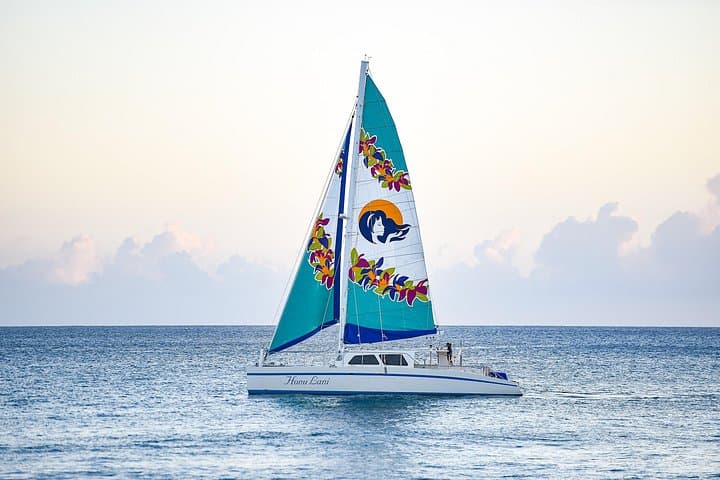
The catamaran slips away from Kewalo Basin amid the soft chatter of passengers and the clink of rigging. Waikiki beaches flatten into a golden strip, palms stoop with the breeze, and Diamond Head rises like a familiar outline against the Pacific. For the next three hours the ocean is the itinerary: a short, scenic sail past the city, a guided snorkel at a lively reef, then time to rinse off on deck with a cold local beer while the skyline slides back into view.
Verified experiences and guided adventures in the surrounding area.
Operated by Hawaii Nautical · Honolulu, Hawaii
The catamaran slips away from Kewalo Basin amid the soft chatter of passengers and the clink of rigging. Waikiki beaches flatten into a golden strip, palms stoop with the breeze, and Diamond Head rises like a familiar outline against the Pacific. For the next three hours the ocean is the itinerary: a short, scenic sail past the city, a guided snorkel at a lively reef, then time to rinse off on deck with a cold local beer while the skyline slides back into view.
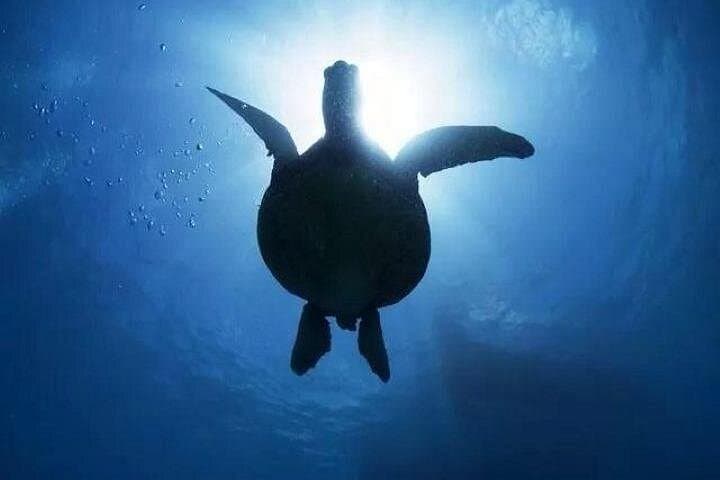
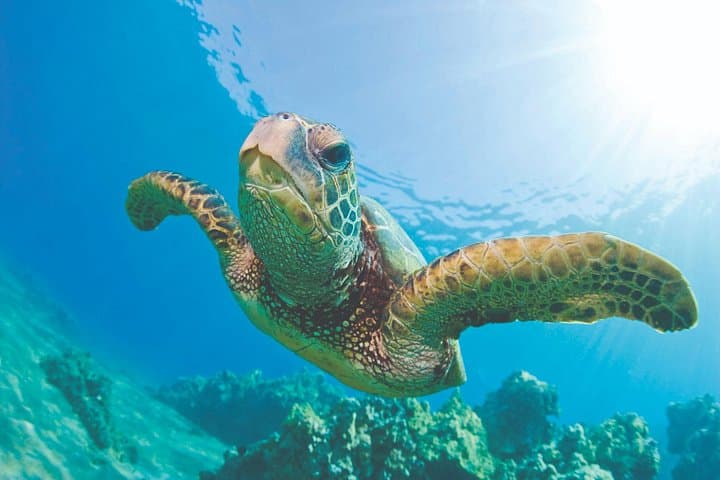
This is not just a leisure cruise; it’s an efficient encounter with Oahu’s nearshore marine life. The vessel is a 53-foot catamaran with room for about 49 guests and a shallow-draft hull that eases into Turtle Canyon, a reef pocket where Hawaiian green sea turtles forage on algae. The islands themselves are volcanic in origin, their offshore reefs grown from lava flows and the long work of corals and currents. In Hawaiian tradition the honu is a symbol of endurance and a familiar presence in coastal stories — seeing one here feels like visiting a local elder.
Geology and culture thread through the trip: from the basalt backbone of Diamond Head to the modern bustle of Waikiki, the ride connects Honolulu’s built shoreline with the living reef just beyond the breakers. Captains and snorkel guides provide safety briefings and local context — how to behave around turtles, why reef-safe sunscreen matters, and a few pointers on identifying fish species in the shallows.
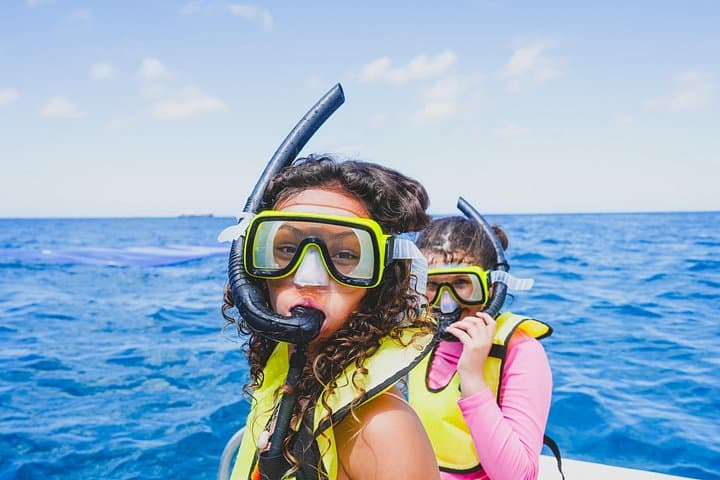
Practicalities matter: the tour runs about 180 minutes, with roughly a 15-minute cruise each way and about 45–60 minutes in the water on morning departures. Snorkeling gear and a safety vest are provided; showers and restrooms are available onboard. Alcoholic drinks and snacks are included, and there is a shuttle option from most Waikiki hotels — choose it if you want a smooth start.
To make the most of it, arrive hydrated and sun-protected with reef-safe sunscreen, wear a swim suit under light layers, and bring a thin towel and dry clothes for the ride home. If you feel sea-sick, take preventative measures before boarding; mornings usually deliver calmer seas and clearer water. Most importantly, keep your distance from turtles, move slowly in the water, and follow the guides — touching or chasing wildlife is illegal and harmful.
This sail blends easy accessibility with real marine encounters: it’s an introduction to Oahu’s nearshore ecology that respects both the animals and the comfort of travelers. Whether you want a relaxed morning afloat or a chance to slip into warm water with a honu drifting by, the Waikiki catamaran sail offers a compact, memorable ocean experience with practical support every step of the way.
Green sea turtles are frequently seen at Turtle Canyon; if you don't see one on your booked tour the operator offers one complimentary re-ride per their policy, not a refund.
Yes, snorkel masks, fins and safety vests are included and staff will fit gear before entry.
Wear a swimsuit and light layers, bring reef-safe sunscreen, a towel, and any seasickness medication you need; shoes are left at the pier as this is a barefoot cruise.
Non-swimmers can join but should inform staff; flotation vests are required and guides stay close, though some comfort in the water is important.
Complimentary snacks and alcoholic beverages (for passengers 21+) are provided; some tour options include a light lunch on midday departures.
If using the shuttle, be at your hotel meeting point five minutes early and expect up to ten minutes flexibility for traffic; arrive at the harbor at least 15 minutes before departure if meeting at the pier.
Hawaii Nautical operates guided outdoor trips and adventures with an emphasis on safety, stewardship, and memorable experiences.
The catamaran slips away from Kewalo Basin amid the soft chatter of passengers and the clink of rigging. Waikiki beaches flatten into a golden strip, palms stoop with the breeze, and Diamond Head rises like a familiar outline against the Pacific. For the next three hours the ocean is the itinerary: a short, scenic sail past the city, a guided snorkel at a lively reef, then time to rinse off on deck with a cold local beer while the skyline slides back into view.
The catamaran slips away from Kewalo Basin amid the soft chatter of passengers and the clink of rigging. Waikiki beaches flatten into a golden strip, palms stoop with the breeze, and Diamond Head rises like a familiar outline against the Pacific. For the next three hours the ocean is the itinerary: a short, scenic sail past the city, a guided snorkel at a lively reef, then time to rinse off on deck with a cold local beer while the skyline slides back into view.
This is not just a leisure cruise; it’s an efficient encounter with Oahu’s nearshore marine life. The vessel is a 53-foot catamaran with room for about 49 guests and a shallow-draft hull that eases into Turtle Canyon, a reef pocket where Hawaiian green sea turtles forage on algae. The islands themselves are volcanic in origin, their offshore reefs grown from lava flows and the long work of corals and currents. In Hawaiian tradition the honu is a symbol of endurance and a familiar presence in coastal stories — seeing one here feels like visiting a local elder.
Geology and culture thread through the trip: from the basalt backbone of Diamond Head to the modern bustle of Waikiki, the ride connects Honolulu’s built shoreline with the living reef just beyond the breakers. Captains and snorkel guides provide safety briefings and local context — how to behave around turtles, why reef-safe sunscreen matters, and a few pointers on identifying fish species in the shallows.
Practicalities matter: the tour runs about 180 minutes, with roughly a 15-minute cruise each way and about 45–60 minutes in the water on morning departures. Snorkeling gear and a safety vest are provided; showers and restrooms are available onboard. Alcoholic drinks and snacks are included, and there is a shuttle option from most Waikiki hotels — choose it if you want a smooth start.
To make the most of it, arrive hydrated and sun-protected with reef-safe sunscreen, wear a swim suit under light layers, and bring a thin towel and dry clothes for the ride home. If you feel sea-sick, take preventative measures before boarding; mornings usually deliver calmer seas and clearer water. Most importantly, keep your distance from turtles, move slowly in the water, and follow the guides — touching or chasing wildlife is illegal and harmful.
This sail blends easy accessibility with real marine encounters: it’s an introduction to Oahu’s nearshore ecology that respects both the animals and the comfort of travelers. Whether you want a relaxed morning afloat or a chance to slip into warm water with a honu drifting by, the Waikiki catamaran sail offers a compact, memorable ocean experience with practical support every step of the way.