THE ADVENTURE COLLECTIVE® · Independent discovery and booking for outdoor travel

A short, small-group whale-watching cruise from Waikiki that prioritizes education and responsible viewing. Limited to six passengers, this 90-minute tour offers close but respectful sightings of migrating humpbacks during the winter season.
A short, small-group whale-watching cruise from Waikiki that prioritizes education and responsible viewing. Limited to six passengers, this 90-minute tour offers close but respectful sightings of migrating humpbacks during the winter season.
You push off from the Ala Moana shoreline and the Pacific opens blue and urgent around the little vessel. The city slips behind you; Diamond Head keeps watch on the horizon while the ocean begins to speak in blows and tail slaps. On a small-group tour limited to six guests, the water feels immediate — it nudges and challenges you to look harder.
Verified experiences and guided adventures in the surrounding area.
Operated by Captain Max Boat Tours · Honolulu, Hawaii
You push off from the Ala Moana shoreline and the Pacific opens blue and urgent around the little vessel. The city slips behind you; Diamond Head keeps watch on the horizon while the ocean begins to speak in blows and tail slaps. On a small-group tour limited to six guests, the water feels immediate — it nudges and challenges you to look harder.
Humpback whales travel to Hawaiian waters each winter to breed and calve, a migration that threads modern Honolulu to older Hawaiian stories of kohola. Geologically, Oahu’s volcanic backbone drops off into deep Pacific trenches where these whales pause, their bulk contrasting with the fragile reefs closer to shore. Local guides weave natural history with cultural context, explaining both migratory patterns and native respect for marine life.
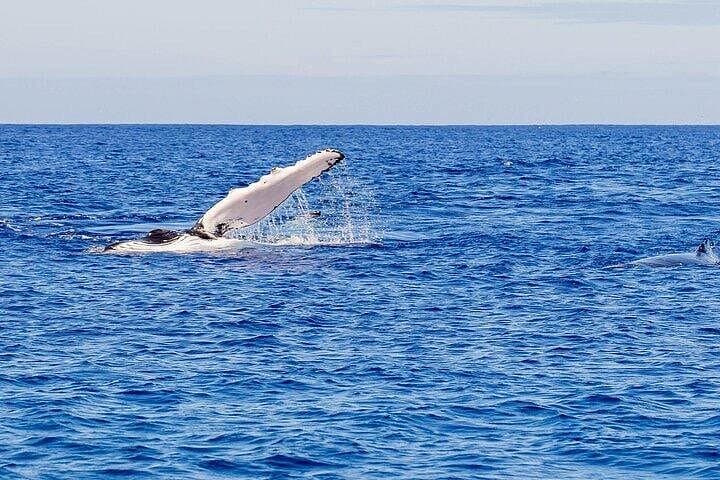
Expect guided narration, binoculars-ready vantage points, and plenty of photo opportunities when whales surface, breach, or slap their flukes. The short 90-minute format keeps energy high; the small group size means quicker movement and more interaction with the crew.
Practical pointers: dress in windproof layers and non-slip shoes; bring a small dry bag for phones and a polarized lens for clearer photos. Operators follow NOAA approach rules — you’ll watch whales from a respectful distance, not chase them. Peak viewing runs December through early spring, and mornings often mean calmer seas.
This is an accessible, education-forward outing that pairs big-moment wildlife viewing with the pragmatic comforts of bottled water, light snacks, and knowledgeable guides who prioritize responsible viewing over spectacle.
Whales migrate to Hawaiian waters primarily December through early spring, with January–March typically offering the most consistent sightings.
Operators follow NOAA and local guidelines that require keeping a respectful distance—typically no closer than 100 yards—to avoid disturbing marine mammals.
Yes, tours provide bottled water and light complimentary snacks; consider bringing your own refillable bottle and small snacks if you prefer.
Yes; infants must sit on an adult’s lap. The vessel accommodates small children but is not recommended for travelers with serious back problems.
Captain Max Boat Tours operates guided outdoor trips and adventures with an emphasis on safety, stewardship, and memorable experiences.
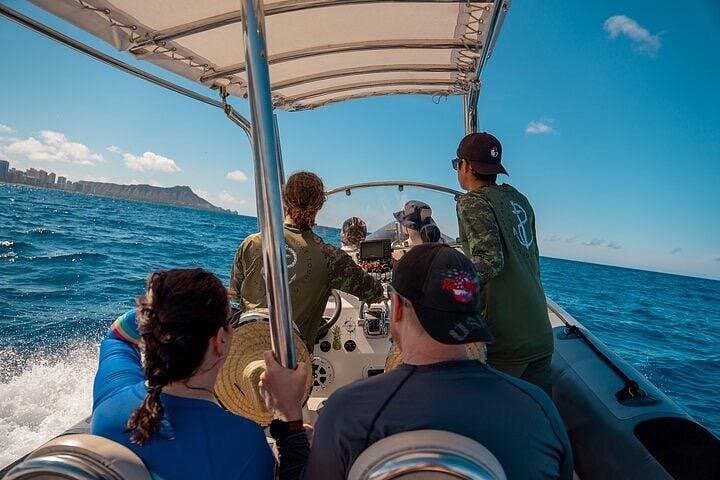
You push off from the Ala Moana shoreline and the Pacific opens blue and urgent around the little vessel. The city slips behind you; Diamond Head keeps watch on the horizon while the ocean begins to speak in blows and tail slaps. On a small-group tour limited to six guests, the water feels immediate — it nudges and challenges you to look harder.
You push off from the Ala Moana shoreline and the Pacific opens blue and urgent around the little vessel. The city slips behind you; Diamond Head keeps watch on the horizon while the ocean begins to speak in blows and tail slaps. On a small-group tour limited to six guests, the water feels immediate — it nudges and challenges you to look harder.
Humpback whales travel to Hawaiian waters each winter to breed and calve, a migration that threads modern Honolulu to older Hawaiian stories of kohola. Geologically, Oahu’s volcanic backbone drops off into deep Pacific trenches where these whales pause, their bulk contrasting with the fragile reefs closer to shore. Local guides weave natural history with cultural context, explaining both migratory patterns and native respect for marine life.
Expect guided narration, binoculars-ready vantage points, and plenty of photo opportunities when whales surface, breach, or slap their flukes. The short 90-minute format keeps energy high; the small group size means quicker movement and more interaction with the crew.
Practical pointers: dress in windproof layers and non-slip shoes; bring a small dry bag for phones and a polarized lens for clearer photos. Operators follow NOAA approach rules — you’ll watch whales from a respectful distance, not chase them. Peak viewing runs December through early spring, and mornings often mean calmer seas.
This is an accessible, education-forward outing that pairs big-moment wildlife viewing with the pragmatic comforts of bottled water, light snacks, and knowledgeable guides who prioritize responsible viewing over spectacle.