THE ADVENTURE COLLECTIVE® · Independent discovery and booking for outdoor travel

Walk among giants on a full-day, small-group tour from Auckland to Waipoua Forest. Visit the Kauri Museum and stand beneath Tāne Mahuta and Te Matua Ngahere while learning Māori cultural connections and conservation needs.
Walk among giants on a full-day, small-group tour from Auckland to Waipoua Forest. Visit the Kauri Museum and stand beneath Tāne Mahuta and Te Matua Ngahere while learning Māori cultural connections and conservation needs.
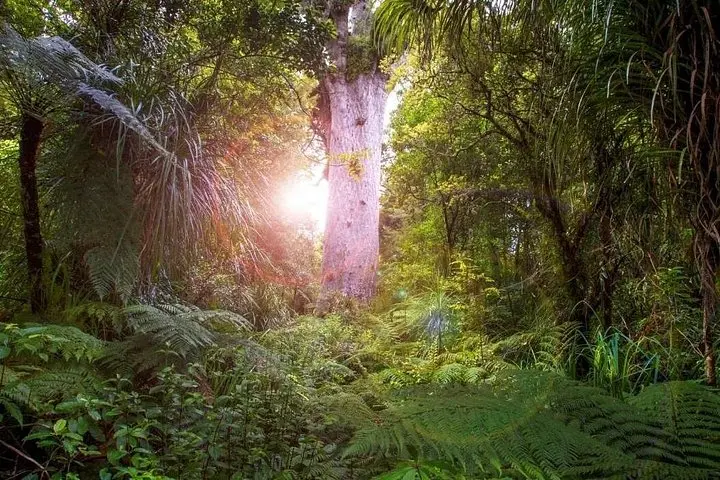
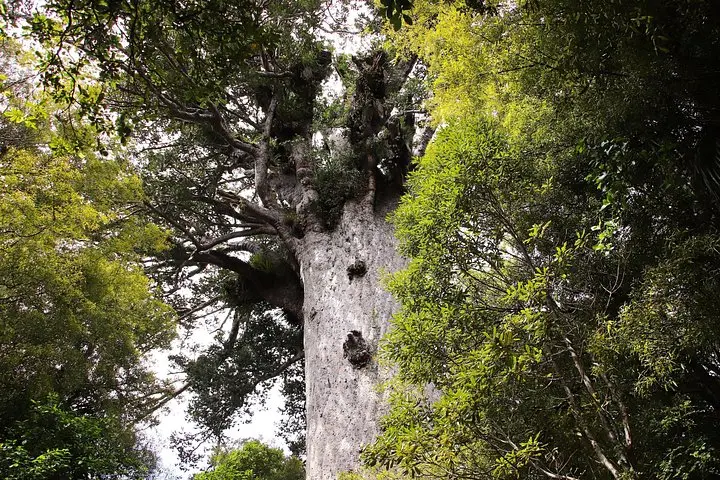
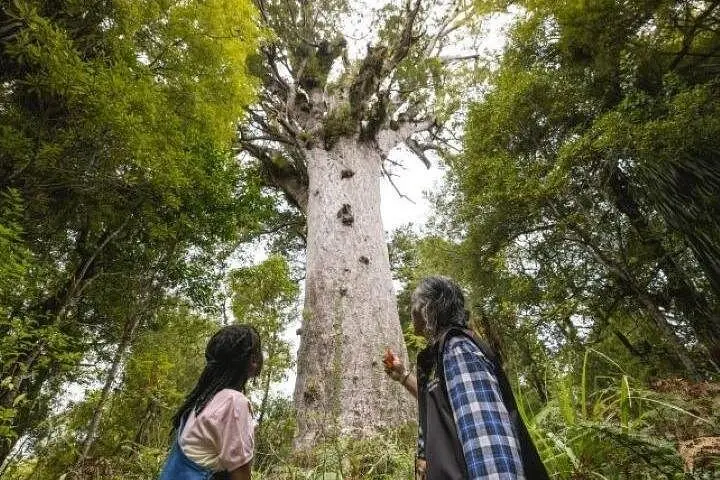
You step from the air-conditioned minibus into a green hush: trunks thicker than a small house loom, roots twisting like ancient fingers, and the forest breathes around you. Guides lead a respectful circuit where Tāne Mahuta — the "Lord of the Forest" — towers above, while Te Matua Ngahere, the Father of the Forest, holds the ground with a trunk that seems to measure centuries.
Verified experiences and guided adventures in the surrounding area.
Operated by NAVI Tours New Zealand · Waipoua, Northland
You step from the air-conditioned minibus into a green hush: trunks thicker than a small house loom, roots twisting like ancient fingers, and the forest breathes around you. Guides lead a respectful circuit where Tāne Mahuta — the "Lord of the Forest" — towers above, while Te Matua Ngahere, the Father of the Forest, holds the ground with a trunk that seems to measure centuries.
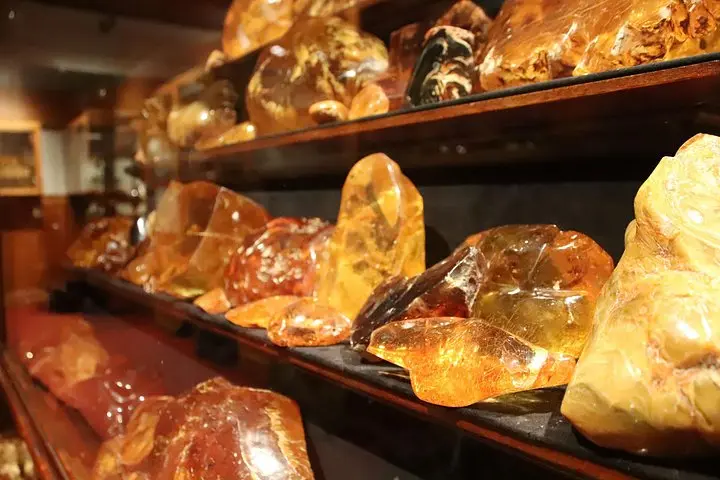
The day pairs natural history with human history. At the Kauri Museum in Matakohe, exhibits trace kauri gum, early logging technology and the impact of 19th-century milling on local communities. Geologically, these trees grow in Northland’s podocarp–broadleaf soils shaped by volcanic ash and coastal sediment, which allowed kauri to reach monumental size over millennia.
Culturally the visit is quiet and reverent: the largest kauri are taonga for Ngāpuhi and local iwi, and guides frame the walk with Māori names and meaning. Expect boardwalks and short trails that keep foot traffic off sensitive roots — the forest seems to watch and test your steps.
Practical guidance: the full-day tour includes transfers from Auckland and about 11 hours door-to-door; walking at each tree is easy but surfaces can be muddy and uneven. Bring a waterproof jacket, solid walking shoes, insect repellent and water; clean soles on the provided stations to help prevent kauri dieback. Photography is allowed but keep voices low and follow your guide: these trees are living history, demanding patience more than speed.
Expect about 11 hours door-to-door — travel time to Waipoua Forest is substantial, included in the itinerary.
Yes — the tour includes admission to the Kauri Museum and guided access to key roadside trails at Waipoua Forest.
The walk is short and easy but involves boardwalks and some uneven ground; suitable for most people with moderate mobility.
Kauri dieback is a soil-borne pathogen threatening kauri trees; cleaning boots reduces spread and is mandatory on most visits.
NAVI Tours New Zealand operates guided outdoor trips and adventures with an emphasis on safety, stewardship, and memorable experiences.
You step from the air-conditioned minibus into a green hush: trunks thicker than a small house loom, roots twisting like ancient fingers, and the forest breathes around you. Guides lead a respectful circuit where Tāne Mahuta — the "Lord of the Forest" — towers above, while Te Matua Ngahere, the Father of the Forest, holds the ground with a trunk that seems to measure centuries.
You step from the air-conditioned minibus into a green hush: trunks thicker than a small house loom, roots twisting like ancient fingers, and the forest breathes around you. Guides lead a respectful circuit where Tāne Mahuta — the "Lord of the Forest" — towers above, while Te Matua Ngahere, the Father of the Forest, holds the ground with a trunk that seems to measure centuries.
The day pairs natural history with human history. At the Kauri Museum in Matakohe, exhibits trace kauri gum, early logging technology and the impact of 19th-century milling on local communities. Geologically, these trees grow in Northland’s podocarp–broadleaf soils shaped by volcanic ash and coastal sediment, which allowed kauri to reach monumental size over millennia.
Culturally the visit is quiet and reverent: the largest kauri are taonga for Ngāpuhi and local iwi, and guides frame the walk with Māori names and meaning. Expect boardwalks and short trails that keep foot traffic off sensitive roots — the forest seems to watch and test your steps.
Practical guidance: the full-day tour includes transfers from Auckland and about 11 hours door-to-door; walking at each tree is easy but surfaces can be muddy and uneven. Bring a waterproof jacket, solid walking shoes, insect repellent and water; clean soles on the provided stations to help prevent kauri dieback. Photography is allowed but keep voices low and follow your guide: these trees are living history, demanding patience more than speed.