THE ADVENTURE COLLECTIVE® · Independent discovery and booking for outdoor travel

Combine subterranean light shows with Rotorua’s steaming valleys on a single full-day run from Auckland. Glide under glowworms in Waitomo, then witness Pohutu Geyser and Māori cultural displays at Te Puia.
Combine subterranean light shows with Rotorua’s steaming valleys on a single full-day run from Auckland. Glide under glowworms in Waitomo, then witness Pohutu Geyser and Māori cultural displays at Te Puia.
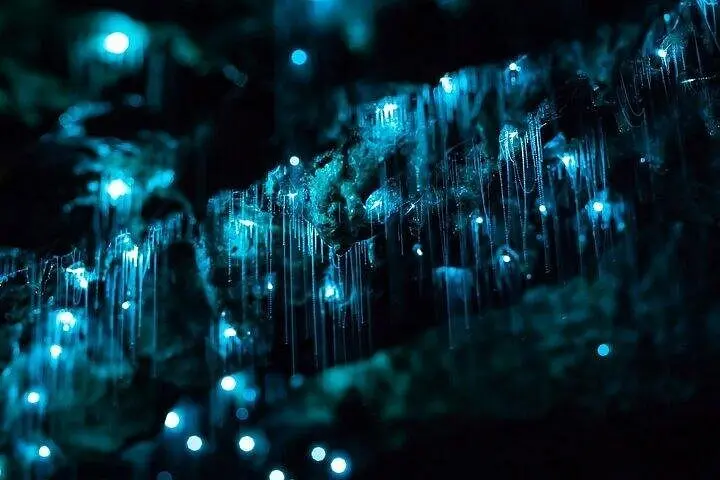
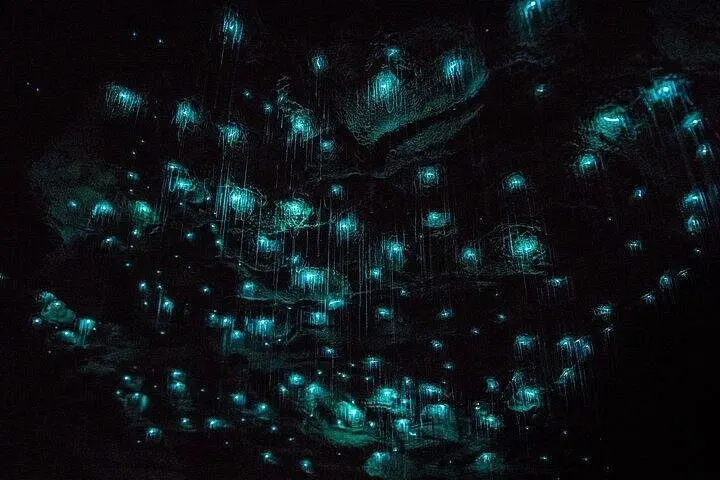
You step off the coach into a hush — cool, damp air that smells faintly of limestone and leaf litter. Down below, a grotto waits: a ribbon of dark water and a ceiling freckled with pinpoints of living light. The Waitomo Glowworm Caves begin intimate and quiet; a guided walk moves through sculpted passages, then a flat-bottom boat slides you under the glow of Arachnocampa luminosa.
Verified experiences and guided adventures in the surrounding area.
Operated by Auckland & Beyond Tours · Waitomo, Waikato
You step off the coach into a hush — cool, damp air that smells faintly of limestone and leaf litter. Down below, a grotto waits: a ribbon of dark water and a ceiling freckled with pinpoints of living light. The Waitomo Glowworm Caves begin intimate and quiet; a guided walk moves through sculpted passages, then a flat-bottom boat slides you under the glow of Arachnocampa luminosa.
Geology here is hands-on: the Waikato’s limestone was carved by millennia of acidic water, leaving caverns, stalactites and subterranean rivers. The glowworms are unique to New Zealand, and their bioluminescence creates a starred ceiling that has cultural resonance for Tāmaki Māori and local communities.
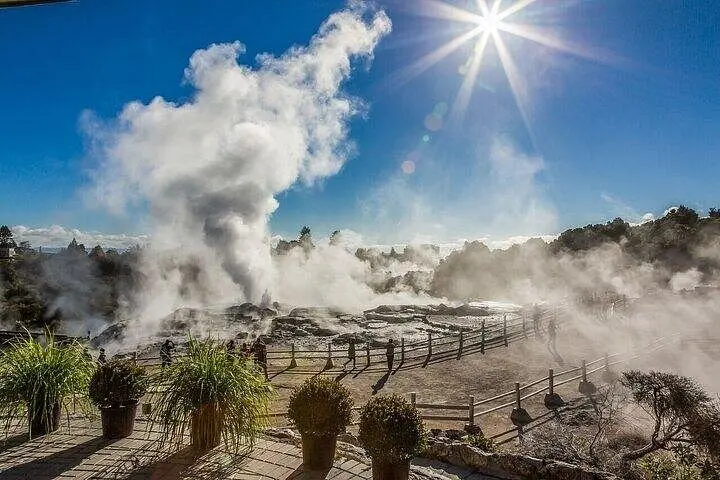
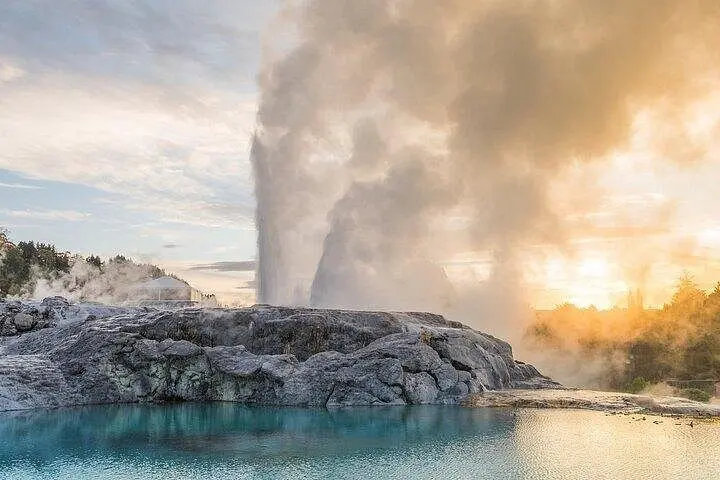
After the cave, the road unfurls toward Rotorua where earth steams and bubbles. Te Puia is a compact lesson in geothermal mechanics — mud pools, sinter terraces and Pohutu Geyser, which punctuates the valley with regular eruptions. The site also hosts the National Carving and Weaving Institute and a kiwi display, offering context on Māori carving, weaving and conservation efforts.
Practicalities: it’s a long but well-paced day — expect around 8 hours including transfers from Auckland with short walks, mostly on boardwalks and cave paths; footwear should be sturdy and slip-resistant. Cameras are welcome but low light limits smartphone shots; silence and minimal flash are required in the caves. Weather on the surface changes quickly — layers and a light waterproof are smart. Accessibility is reasonable for most travelers, but people with mobility concerns should check specifics on cave access and boat boarding before booking.
The full-day tour runs about 8 hours with hotel pickup from Auckland CBD; exact pickup times are provided after booking.
Yes — the cave walk and boat ride are family-friendly, but children must be supervised and remain quiet during the glowworm viewing.
Te Puia includes a kiwi house where guides provide viewing opportunities during the guided visit, dependent on the facility’s hours and animal welfare needs.
Photography is allowed, but no flash in the caves and respect posted signs around geothermal features; low‑light images often need a tripod or high‑ISO settings.
Auckland & Beyond Tours operates guided outdoor trips and adventures with an emphasis on safety, stewardship, and memorable experiences.
You step off the coach into a hush — cool, damp air that smells faintly of limestone and leaf litter. Down below, a grotto waits: a ribbon of dark water and a ceiling freckled with pinpoints of living light. The Waitomo Glowworm Caves begin intimate and quiet; a guided walk moves through sculpted passages, then a flat-bottom boat slides you under the glow of Arachnocampa luminosa.
You step off the coach into a hush — cool, damp air that smells faintly of limestone and leaf litter. Down below, a grotto waits: a ribbon of dark water and a ceiling freckled with pinpoints of living light. The Waitomo Glowworm Caves begin intimate and quiet; a guided walk moves through sculpted passages, then a flat-bottom boat slides you under the glow of Arachnocampa luminosa.
Geology here is hands-on: the Waikato’s limestone was carved by millennia of acidic water, leaving caverns, stalactites and subterranean rivers. The glowworms are unique to New Zealand, and their bioluminescence creates a starred ceiling that has cultural resonance for Tāmaki Māori and local communities.
After the cave, the road unfurls toward Rotorua where earth steams and bubbles. Te Puia is a compact lesson in geothermal mechanics — mud pools, sinter terraces and Pohutu Geyser, which punctuates the valley with regular eruptions. The site also hosts the National Carving and Weaving Institute and a kiwi display, offering context on Māori carving, weaving and conservation efforts.
Practicalities: it’s a long but well-paced day — expect around 8 hours including transfers from Auckland with short walks, mostly on boardwalks and cave paths; footwear should be sturdy and slip-resistant. Cameras are welcome but low light limits smartphone shots; silence and minimal flash are required in the caves. Weather on the surface changes quickly — layers and a light waterproof are smart. Accessibility is reasonable for most travelers, but people with mobility concerns should check specifics on cave access and boat boarding before booking.