THE ADVENTURE COLLECTIVE® · Independent discovery and booking for outdoor travel

Cruise Dominica’s deep waters where sperm whales and playful dolphin pods frequent nutrient-rich canyons. Small boats and a luxury catamaran option combine marine naturalist narration, hydrophones, and a strong sighting record for a focused three‑hour wildlife experience.
Cruise Dominica’s deep waters where sperm whales and playful dolphin pods frequent nutrient-rich canyons. Small boats and a luxury catamaran option combine marine naturalist narration, hydrophones, and a strong sighting record for a focused three‑hour wildlife experience.
You step onto a low-profile boat as the harbor exhales; salt stings your nose and the Caribbean pushes the hull away from the quay. The captain cuts a track through glassy water, and within minutes the island’s volcanic ridge recedes into a green spine. Offshore, the sea keeps its own rhythm — a living highway where dolphin pods slice the surface and deep-diving sperm whales rise like slow exhalations.
Verified experiences and guided adventures in the surrounding area.
Operated by Waitukubuli Adventure Tour Co · Roseau, Saint George Parish
You step onto a low-profile boat as the harbor exhales; salt stings your nose and the Caribbean pushes the hull away from the quay. The captain cuts a track through glassy water, and within minutes the island’s volcanic ridge recedes into a green spine. Offshore, the sea keeps its own rhythm — a living highway where dolphin pods slice the surface and deep-diving sperm whales rise like slow exhalations.
Dominica’s seas are as geologically active as its interior: volcanic islands and undersea canyons shape nutrient upwellings that attract whales year-round. The island has been a focal point for Caribbean cetacean research and local conservation efforts; a Sperm Whale Sanctuary and ongoing studies make sightings more reliable here than in many neighboring islands.
Culturally, excursions are often narrated by marine naturalists who weave Arawak and Creole ties to the sea with modern science. Tours run from small, low-to-water vessels to a luxury catamaran option; hydrophones are common onboard so you can listen to whale song when visibility alone doesn’t tell the whole story.
Practically: tours are about three hours, usually departing from Roseau. Expect ocean spray and variable shade on deck, so pack sun protection and a light rain shell. Life jackets are provided and typically required. Morning departures improve sighting odds and smoother seas, while late-day outings can deliver dramatic light on the island’s volcanic collars.
For photographers, a fast shutter and steady stance matter; for anyone prone to motion sickness, take preventative meds. Above all, respect distance guidelines and follow the guide’s instructions — the goal is to watch, listen, and leave the animals undisturbed.
Dominica has a high sighting rate—operators report sighting sperm whales year-round and dolphins frequently; while sightings are never guaranteed, odds are good.
Yes—infants can ride but operators recommend strollers/prams ashore; life jackets are provided and must be worn as directed.
Many tours carry hydrophones so you can hear whale song when animals are nearby; audio is weather- and proximity-dependent.
Wear sun-protective clothing, non-slip shoes, and bring a rain shell, sunglasses, and reef-safe sunscreen; cameras with fast shutter speeds and protective covers are useful.
Waitukubuli Adventure Tour Co operates guided outdoor trips and adventures with an emphasis on safety, stewardship, and memorable experiences.
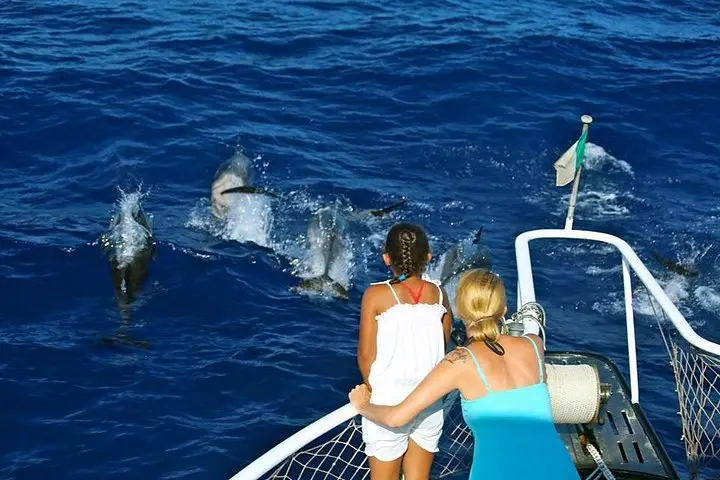
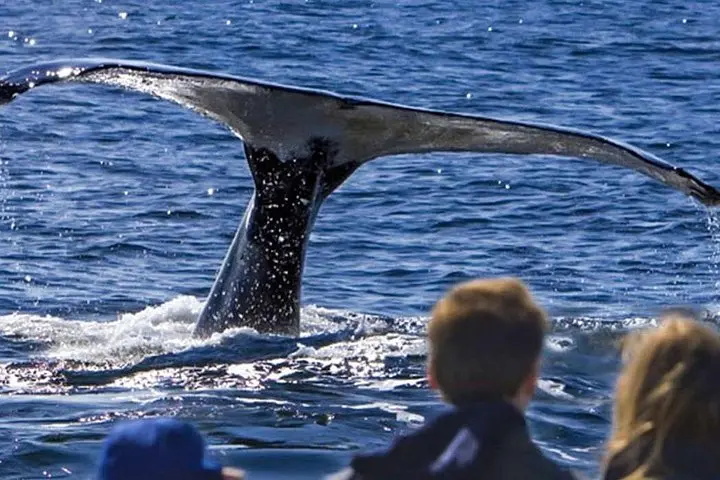
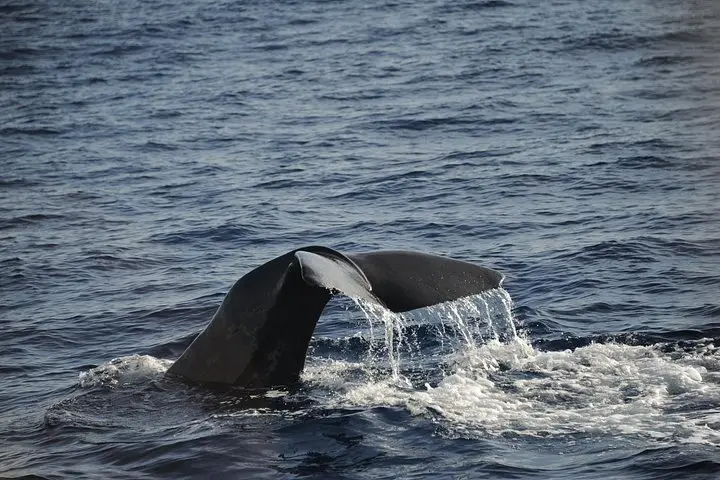
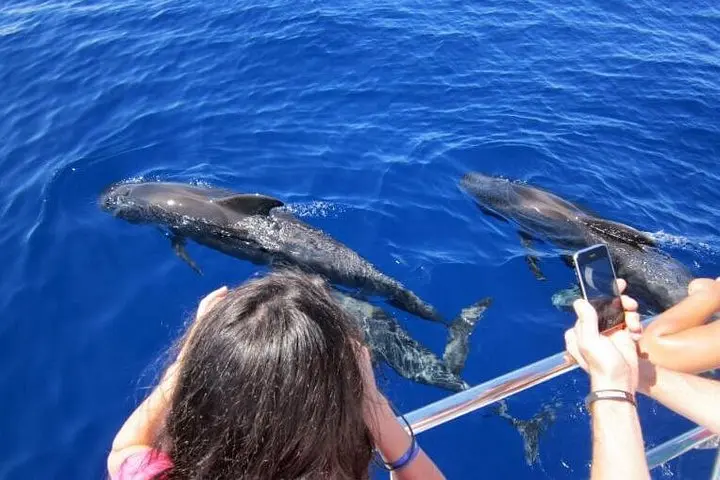
You step onto a low-profile boat as the harbor exhales; salt stings your nose and the Caribbean pushes the hull away from the quay. The captain cuts a track through glassy water, and within minutes the island’s volcanic ridge recedes into a green spine. Offshore, the sea keeps its own rhythm — a living highway where dolphin pods slice the surface and deep-diving sperm whales rise like slow exhalations.
You step onto a low-profile boat as the harbor exhales; salt stings your nose and the Caribbean pushes the hull away from the quay. The captain cuts a track through glassy water, and within minutes the island’s volcanic ridge recedes into a green spine. Offshore, the sea keeps its own rhythm — a living highway where dolphin pods slice the surface and deep-diving sperm whales rise like slow exhalations.
Dominica’s seas are as geologically active as its interior: volcanic islands and undersea canyons shape nutrient upwellings that attract whales year-round. The island has been a focal point for Caribbean cetacean research and local conservation efforts; a Sperm Whale Sanctuary and ongoing studies make sightings more reliable here than in many neighboring islands.
Culturally, excursions are often narrated by marine naturalists who weave Arawak and Creole ties to the sea with modern science. Tours run from small, low-to-water vessels to a luxury catamaran option; hydrophones are common onboard so you can listen to whale song when visibility alone doesn’t tell the whole story.
Practically: tours are about three hours, usually departing from Roseau. Expect ocean spray and variable shade on deck, so pack sun protection and a light rain shell. Life jackets are provided and typically required. Morning departures improve sighting odds and smoother seas, while late-day outings can deliver dramatic light on the island’s volcanic collars.
For photographers, a fast shutter and steady stance matter; for anyone prone to motion sickness, take preventative meds. Above all, respect distance guidelines and follow the guide’s instructions — the goal is to watch, listen, and leave the animals undisturbed.