THE ADVENTURE COLLECTIVE® · Independent discovery and booking for outdoor travel

A seven-day Jeep loop from Dushanbe into the Wakhan Corridor: high-altitude lakes, ancient fortresses and mineral hot springs. Expect rough roads, striking Afghan-border views, and cultural encounters in remote Pamir villages.
A seven-day Jeep loop from Dushanbe into the Wakhan Corridor: high-altitude lakes, ancient fortresses and mineral hot springs. Expect rough roads, striking Afghan-border views, and cultural encounters in remote Pamir villages.
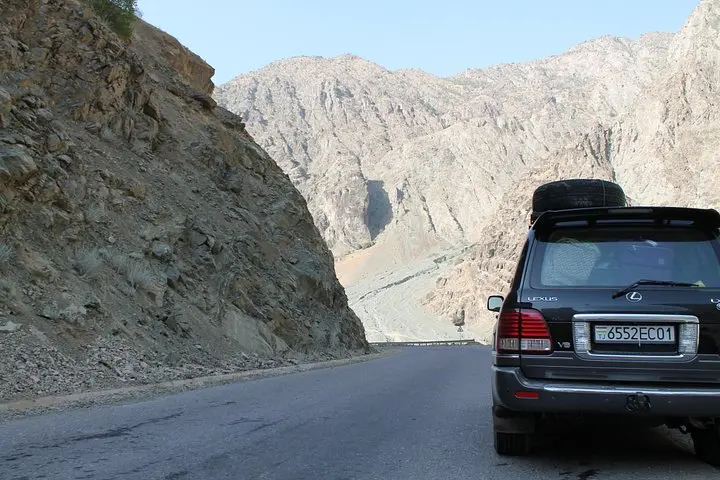
You wake before dawn in Dushanbe, the city fading behind you as the road climbs into scree and steppe. The engine hums; yurts and mud-brick villages slide past while the Panj River dares you to look away toward Afghanistan’s terraced hills. This is a seven-day Jeep loop that trades asphalt for high‑altitude plateaus, hot springs, and lonely fortresses.
Verified experiences and guided adventures in the surrounding area.
Operated by Panj travel & tours · Dushanbe, Dushanbe
You wake before dawn in Dushanbe, the city fading behind you as the road climbs into scree and steppe. The engine hums; yurts and mud-brick villages slide past while the Panj River dares you to look away toward Afghanistan’s terraced hills. This is a seven-day Jeep loop that trades asphalt for high‑altitude plateaus, hot springs, and lonely fortresses.
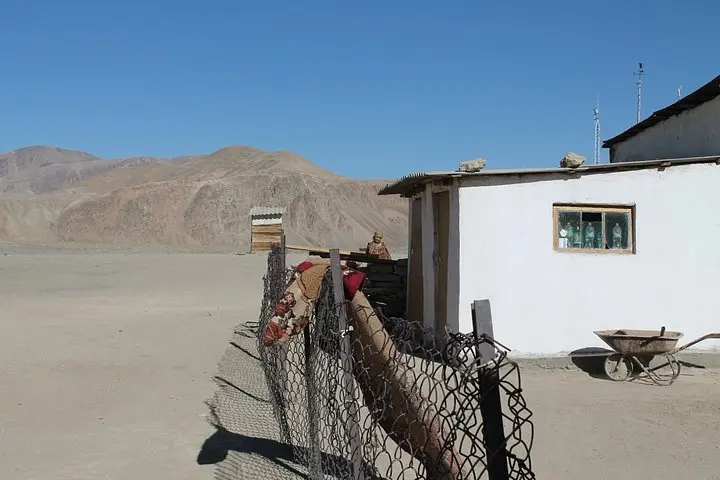
The route threads through centuries of history — Hulbuk fortress (9th–11th century) and the Silk Road traces that still mark the passes — and through geology of uplifted granite and glacial basins that formed Yashilkul and Bulunkul. Local Wakhi and Kyrgyz communities keep living traditions: bazaars where bargaining is a practiced language and guesthouses that serve thick soups and dry, salty bread.
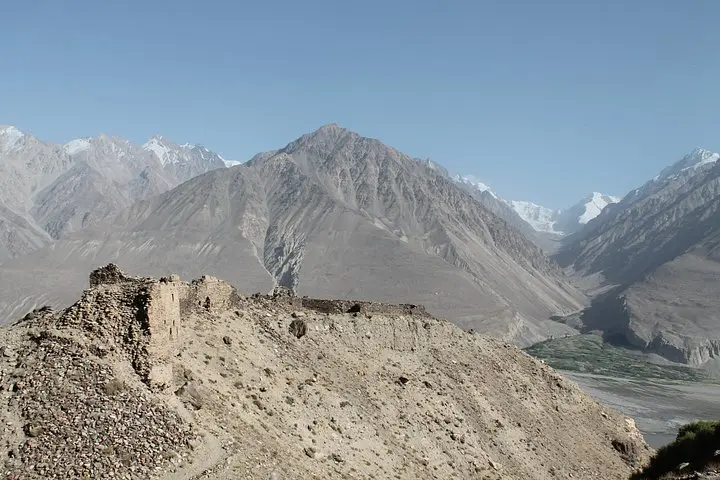
Expect short walks to sites like Yamchun fortress and petroglyph fields, plus dips in mineral hot springs at Bibifatima and Jelondi. Khorog botanical garden sits above 3,200 m, a reminder that life persists at altitude.
Practicalities matter: roads are often unpaved and slow, so plan flexible time, carry cash and passport copies, and allow two days to properly acclimatize if you’re sensitive to altitude. Dress in layers, protect against strong sun and wind, and bring basic first‑aid for blisters and mild altitude symptoms. The tour includes private transport and hotel breakfasts, but it’s remote — water, snacks, and patience are essentials. For travelers seeking wide skies, close borders, and raw Pamir landscapes, this Jeep journey is a compact but thorough primer on Tajikistan’s high country.
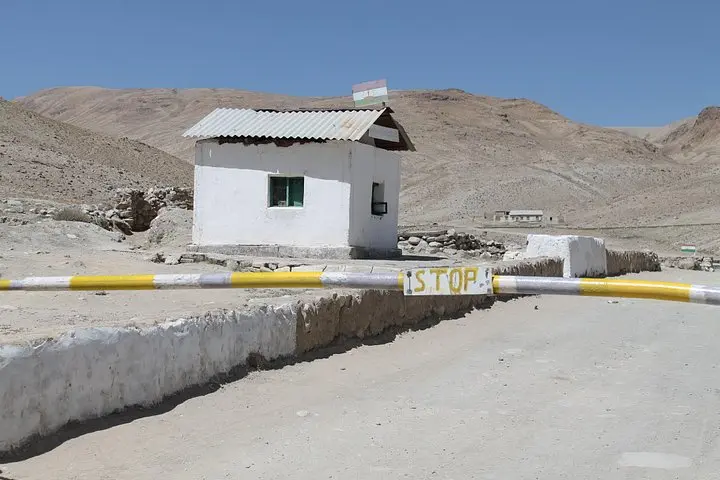
Most nationalities require a visa for Tajikistan; check requirements well before travel and carry passport copies—special permits may be needed for some border zones.
The itinerary is vehicle-based with short walks to viewpoints and sites—reasonable mobility is sufficient, though uneven ground is common.
No border crossings are planned; the route runs along the Afghan border offering close views but does not enter Afghanistan.
Some sites exceed 3,000–3,700 m; drink water, avoid alcohol on arrival, ascend gradually when possible, and seek medical attention if symptoms worsen.
Panj travel & tours operates guided outdoor trips and adventures with an emphasis on safety, stewardship, and memorable experiences.
You wake before dawn in Dushanbe, the city fading behind you as the road climbs into scree and steppe. The engine hums; yurts and mud-brick villages slide past while the Panj River dares you to look away toward Afghanistan’s terraced hills. This is a seven-day Jeep loop that trades asphalt for high‑altitude plateaus, hot springs, and lonely fortresses.
You wake before dawn in Dushanbe, the city fading behind you as the road climbs into scree and steppe. The engine hums; yurts and mud-brick villages slide past while the Panj River dares you to look away toward Afghanistan’s terraced hills. This is a seven-day Jeep loop that trades asphalt for high‑altitude plateaus, hot springs, and lonely fortresses.
The route threads through centuries of history — Hulbuk fortress (9th–11th century) and the Silk Road traces that still mark the passes — and through geology of uplifted granite and glacial basins that formed Yashilkul and Bulunkul. Local Wakhi and Kyrgyz communities keep living traditions: bazaars where bargaining is a practiced language and guesthouses that serve thick soups and dry, salty bread.
Expect short walks to sites like Yamchun fortress and petroglyph fields, plus dips in mineral hot springs at Bibifatima and Jelondi. Khorog botanical garden sits above 3,200 m, a reminder that life persists at altitude.
Practicalities matter: roads are often unpaved and slow, so plan flexible time, carry cash and passport copies, and allow two days to properly acclimatize if you’re sensitive to altitude. Dress in layers, protect against strong sun and wind, and bring basic first‑aid for blisters and mild altitude symptoms. The tour includes private transport and hotel breakfasts, but it’s remote — water, snacks, and patience are essentials. For travelers seeking wide skies, close borders, and raw Pamir landscapes, this Jeep journey is a compact but thorough primer on Tajikistan’s high country.