THE ADVENTURE COLLECTIVE® · Independent discovery and booking for outdoor travel

A seven-day road-and-hike circuit from Dushanbe into the remote Wakhan Valley, combining short mountain hikes, cliff-top forts, hot springs and village visits across the high Pamirs. Expect long drives, moderate altitude, and distinct cross-border views of Afghanistan’s Hindu Kush.
A seven-day road-and-hike circuit from Dushanbe into the remote Wakhan Valley, combining short mountain hikes, cliff-top forts, hot springs and village visits across the high Pamirs. Expect long drives, moderate altitude, and distinct cross-border views of Afghanistan’s Hindu Kush.
Dawn in the Pamirs arrives thin and bright: the Pyanj River cuts a silver scar below cliffs, wind tugs at prayer flags, and the road runs level with ancient forts that once watched caravan tracks.
Verified experiences and guided adventures in the surrounding area.
Operated by Bunyod-Tour · Khorog, Gorno-Badakhshan Autonomous Region
Dawn in the Pamirs arrives thin and bright: the Pyanj River cuts a silver scar below cliffs, wind tugs at prayer flags, and the road runs level with ancient forts that once watched caravan tracks.
Over seven days the route moves from Dushanbe’s green outskirts into the high, stony folds of Gorno-Badakhshan—long drives punctuated by short hikes and villages clinging to terraces. Geologically this is uplifted continental crust: steep river gorges, scree slopes, and broad high valleys cut by glacial and fluvial action. Historically the Wakhan was a crossroads between East and West; the valley contains relics of the Silk Road era and saw its modern borders drawn during 19th-century Great Game agreements.
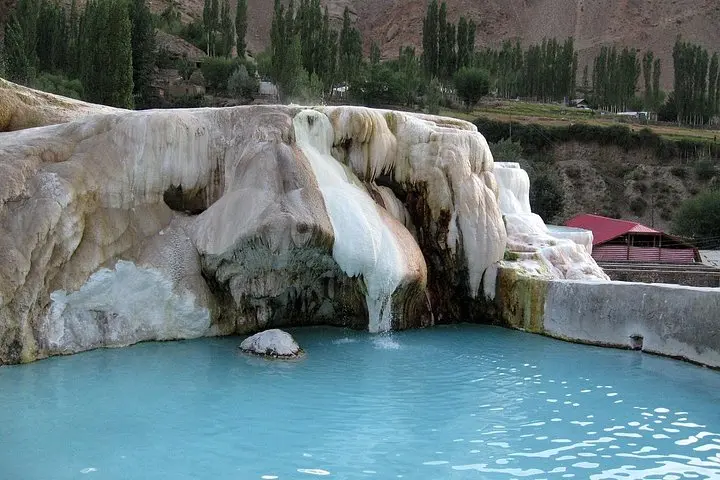
Cultural highlights are direct and tactile: the cliff-top Yamchun fortress with Afghan Hindu Kush ridgelines behind it, Qahqaha’s ruined walls, the isolated stupa at Vrang, and mineral hot springs at Bibi Fatima that locals have used for generations. Expect simple village hospitality, elders who remember cross-border trade, and shepherds with flocks of ibex and argali higher up.
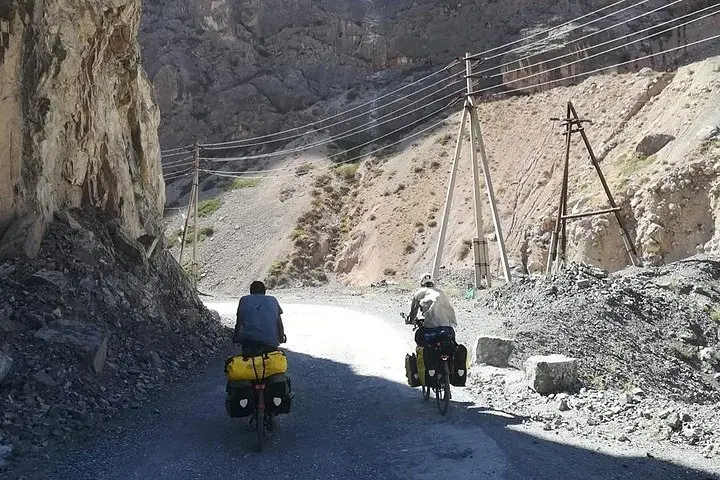
Practical guide: plan for long daily drives (100–350 km stretches) and at least one day hike of ~7 km with ~700 m gain; many communities sit around 2,000–2,500 m so acclimatize in Khorog before pushing higher. Carry layered clothing, sun protection, cash, and a basic first-aid kit. Permits and passport checks are routine in GBAO; confirm paperwork with your operator. Water is scarce between villages—treat or carry enough. The trip suits travellers who want remote landscapes, cultural encounters, and steady, moderate hiking rather than technical mountaineering.
Foreign visitors to Gorno-Badakhshan typically require a GBAO permit and should carry their passport; confirm permit procedures with the tour operator before departure.
Most walks are day hikes rather than technical climbs; expect one hike around 7 km with roughly 700 m elevation gain—good footwear and basic fitness are needed.
No—views across the Pyanj River and historic forts overlook Afghanistan, but the itinerary stays on the Tajik side; travelers should avoid attempting border crossings.
Accommodation is simple 2–3 star hotels and guesthouses; meals are basic local fare provided as listed, with long travel days between towns.
Bunyod-Tour operates guided outdoor trips and adventures with an emphasis on safety, stewardship, and memorable experiences.
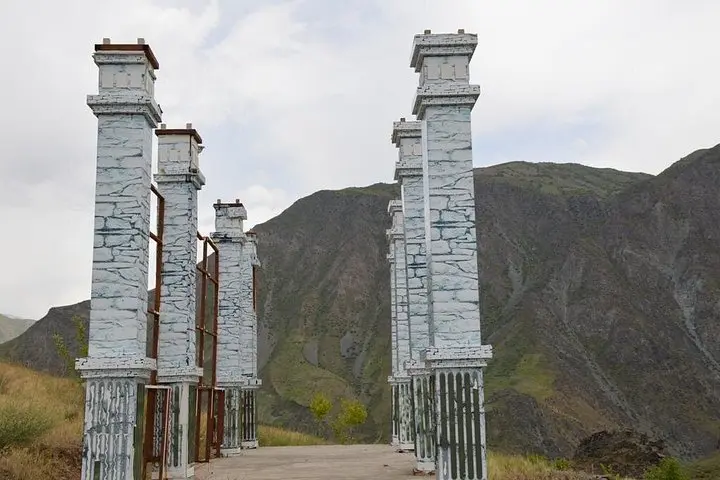
Dawn in the Pamirs arrives thin and bright: the Pyanj River cuts a silver scar below cliffs, wind tugs at prayer flags, and the road runs level with ancient forts that once watched caravan tracks.
Dawn in the Pamirs arrives thin and bright: the Pyanj River cuts a silver scar below cliffs, wind tugs at prayer flags, and the road runs level with ancient forts that once watched caravan tracks.
Over seven days the route moves from Dushanbe’s green outskirts into the high, stony folds of Gorno-Badakhshan—long drives punctuated by short hikes and villages clinging to terraces. Geologically this is uplifted continental crust: steep river gorges, scree slopes, and broad high valleys cut by glacial and fluvial action. Historically the Wakhan was a crossroads between East and West; the valley contains relics of the Silk Road era and saw its modern borders drawn during 19th-century Great Game agreements.
Cultural highlights are direct and tactile: the cliff-top Yamchun fortress with Afghan Hindu Kush ridgelines behind it, Qahqaha’s ruined walls, the isolated stupa at Vrang, and mineral hot springs at Bibi Fatima that locals have used for generations. Expect simple village hospitality, elders who remember cross-border trade, and shepherds with flocks of ibex and argali higher up.
Practical guide: plan for long daily drives (100–350 km stretches) and at least one day hike of ~7 km with ~700 m gain; many communities sit around 2,000–2,500 m so acclimatize in Khorog before pushing higher. Carry layered clothing, sun protection, cash, and a basic first-aid kit. Permits and passport checks are routine in GBAO; confirm paperwork with your operator. Water is scarce between villages—treat or carry enough. The trip suits travellers who want remote landscapes, cultural encounters, and steady, moderate hiking rather than technical mountaineering.