THE ADVENTURE COLLECTIVE® · Independent discovery and booking for outdoor travel

Pedal through Wakimachi’s udatsu-lined streets and along the formidable Yoshino River on a private half-day bike tour that blends indigo craft, flood-history, and local stories. Perfect for curious travelers who want active cultural immersion.
Pedal through Wakimachi’s udatsu-lined streets and along the formidable Yoshino River on a private half-day bike tour that blends indigo craft, flood-history, and local stories. Perfect for curious travelers who want active cultural immersion.
A low morning mist lifts off the Yoshino River as your bike tires whisper over old stone streets; the river seems to dare you downstream while white plaster udatsu walls catch the light and throw it back like a small, stubborn sun. This half-day private ride through Wakimachi in Mima City threads together narrow merchant lanes, riverside embankments, and pockets of indigo studios where the scent of fermented plant dye still hangs in the air.
Verified experiences and guided adventures in the surrounding area.
Operated by BROMPTON SLOW CYCLING TOURS · Mima (Wakimachi), Tokushima Prefecture
A low morning mist lifts off the Yoshino River as your bike tires whisper over old stone streets; the river seems to dare you downstream while white plaster udatsu walls catch the light and throw it back like a small, stubborn sun. This half-day private ride through Wakimachi in Mima City threads together narrow merchant lanes, riverside embankments, and pockets of indigo studios where the scent of fermented plant dye still hangs in the air.
Wakimachi prospered in the Edo period as a river port for sukumo, the composted leaves used to produce Japan blue. The townscape preserves merchant homes with udatsu firewalls — practical flood defenses turned status markers — and tells a local story of living with the Yoshino’s seasonal moods. Geology here is alluvial plain: broad river terraces and fertile soil that shaped settlement and flood-control engineering over centuries.
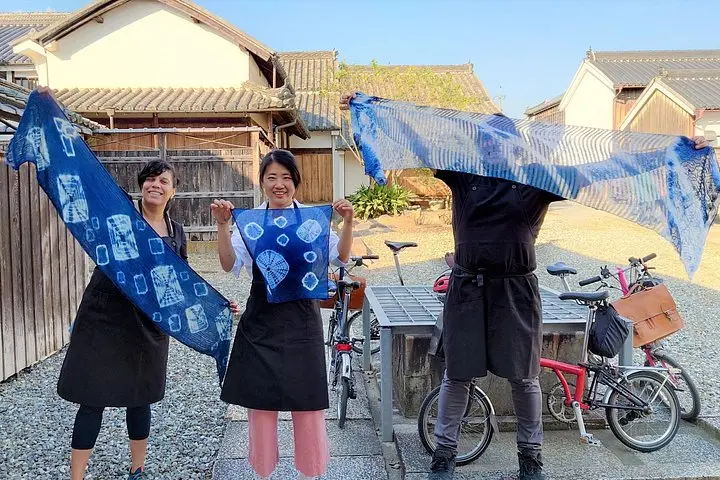
Expect a paced, interpretive ride: your navigator points out flood levees, old ferry landing sites, and working dye houses that demonstrate aizome techniques. Cultural notes include local etiquette around private workshops and the seasonal timing of indigo vats, which are active in warmer months.
Practical guidance: allow five hours, wear closed-toe shoes and layered clothing for river breezes, and bring cash for small shops and studio visits. Hydrate before and during the ride—summer sun can intensify on open embankments—and plan for manual confirmation of bookings. The tour balances cultural depth with a relaxed pedal, ideal for travelers who want active exploration without long distances or technical terrain.
Yes; the tour includes use of bicycles. Booking asks for height and weight to match an appropriate bike.
Children with sufficient cycling ability and stamina can join, but the tour recommends moderate fitness; confirm age and ability with the operator.
The tour listing indicates a local navigator; language availability may vary—confirm during booking for requests like English commentary.
The operator may cancel for bad weather; the cancellation policy allows a full refund if canceled at least 24 hours prior or due to poor conditions.
BROMPTON SLOW CYCLING TOURS operates guided outdoor trips and adventures with an emphasis on safety, stewardship, and memorable experiences.
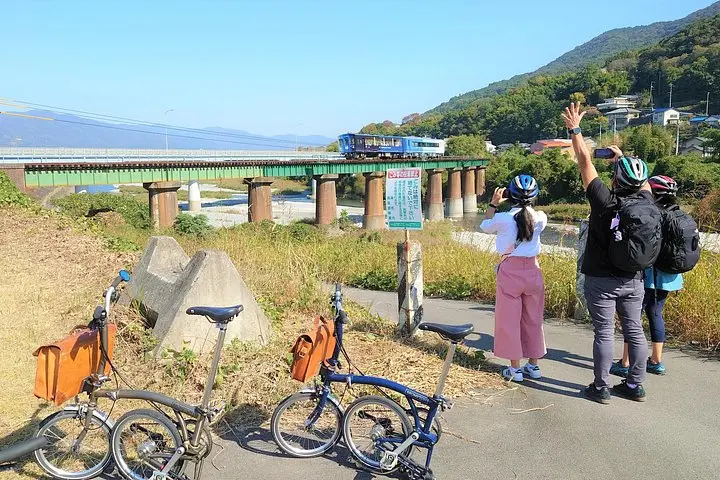
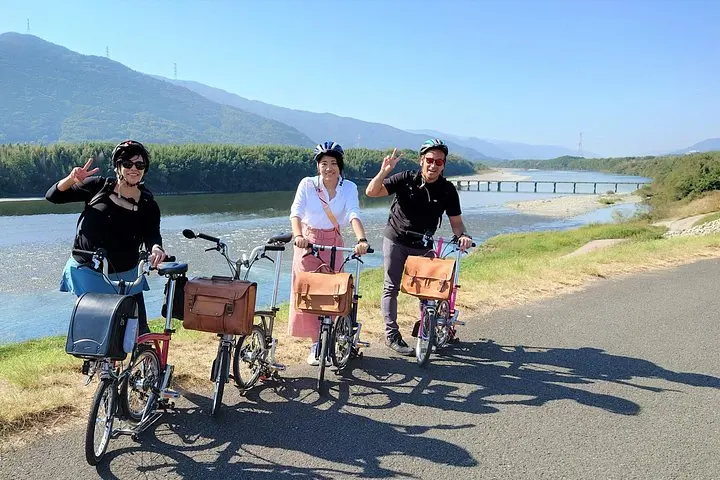
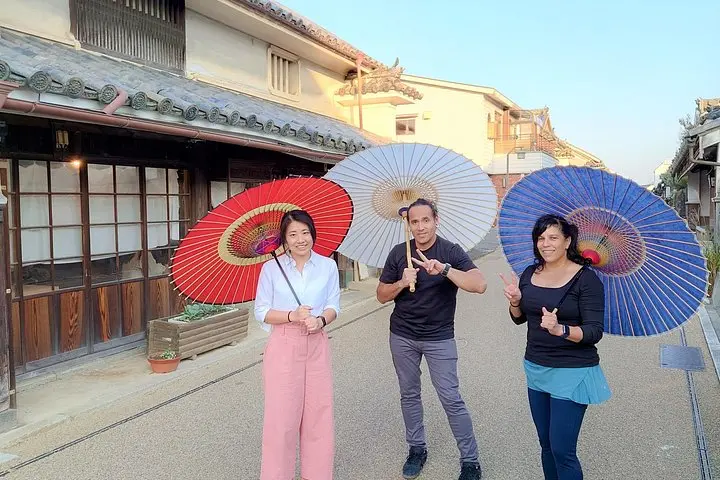
A low morning mist lifts off the Yoshino River as your bike tires whisper over old stone streets; the river seems to dare you downstream while white plaster udatsu walls catch the light and throw it back like a small, stubborn sun. This half-day private ride through Wakimachi in Mima City threads together narrow merchant lanes, riverside embankments, and pockets of indigo studios where the scent of fermented plant dye still hangs in the air.
A low morning mist lifts off the Yoshino River as your bike tires whisper over old stone streets; the river seems to dare you downstream while white plaster udatsu walls catch the light and throw it back like a small, stubborn sun. This half-day private ride through Wakimachi in Mima City threads together narrow merchant lanes, riverside embankments, and pockets of indigo studios where the scent of fermented plant dye still hangs in the air.
Wakimachi prospered in the Edo period as a river port for sukumo, the composted leaves used to produce Japan blue. The townscape preserves merchant homes with udatsu firewalls — practical flood defenses turned status markers — and tells a local story of living with the Yoshino’s seasonal moods. Geology here is alluvial plain: broad river terraces and fertile soil that shaped settlement and flood-control engineering over centuries.
Expect a paced, interpretive ride: your navigator points out flood levees, old ferry landing sites, and working dye houses that demonstrate aizome techniques. Cultural notes include local etiquette around private workshops and the seasonal timing of indigo vats, which are active in warmer months.
Practical guidance: allow five hours, wear closed-toe shoes and layered clothing for river breezes, and bring cash for small shops and studio visits. Hydrate before and during the ride—summer sun can intensify on open embankments—and plan for manual confirmation of bookings. The tour balances cultural depth with a relaxed pedal, ideal for travelers who want active exploration without long distances or technical terrain.