THE ADVENTURE COLLECTIVE® · Independent discovery and booking for outdoor travel

Spend a morning tracing Pompeii’s streets with a licensed guide, then transfer to a Vesuvius winery for a cellar tour, wine tasting and regional lunch. This private four-hour experience pairs archaeology with terroir — practical for travelers who want culture, history and local flavors in one outing.
Spend a morning tracing Pompeii’s streets with a licensed guide, then transfer to a Vesuvius winery for a cellar tour, wine tasting and regional lunch. This private four-hour experience pairs archaeology with terroir — practical for travelers who want culture, history and local flavors in one outing.
You meet at Porta Marina Superiore as the town rouses: sunlight strips across cracked amphorae and a licensed guide gestures down a street locked in AD 79. Walking the main artery of Pompeii, the guide moves confidently past thermal baths, villa façades and plaster casts that still carry the shapes of the city’s last moments. The stones are uneven; the past is immediate.
Verified experiences and guided adventures in the surrounding area.
Operated by Bosco de Medici Winery · Pompeii, Campania
You meet at Porta Marina Superiore as the town rouses: sunlight strips across cracked amphorae and a licensed guide gestures down a street locked in AD 79. Walking the main artery of Pompeii, the guide moves confidently past thermal baths, villa façades and plaster casts that still carry the shapes of the city’s last moments. The stones are uneven; the past is immediate.
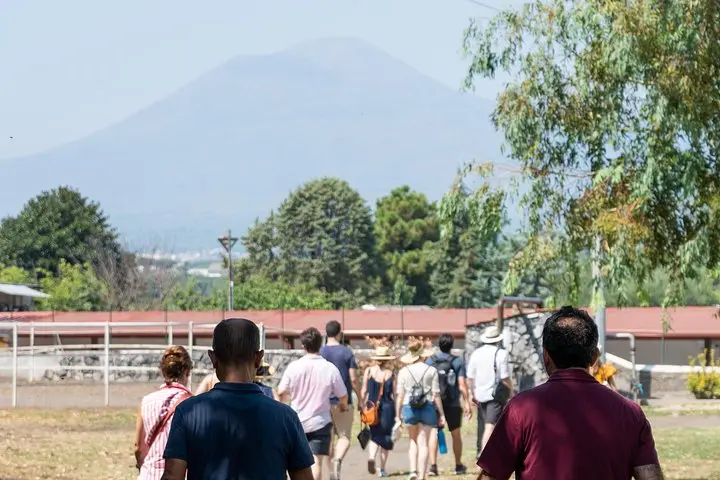
Pompeii’s story is geological and human all at once — Mount Vesuvius erupted in 79 CE, burying the Roman town in ash and preserving domestic life in remarkable detail. The volcanic soils that once caused catastrophe now feed vineyards on the volcano’s lower slopes, producing local wines such as Lacryma Christi and Piedirosso that carry mineral, citrus, and volcanic ash notes.
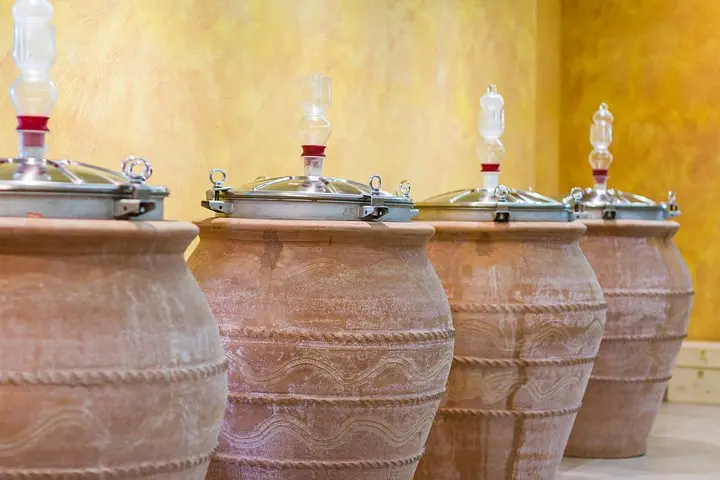
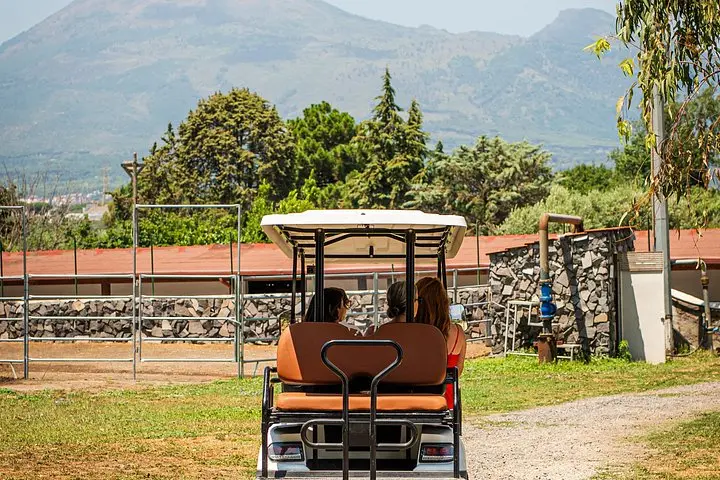
After roughly two hours among forum columns and frescoed houses, a short transfer takes the group to a family-run estate on Vesuvius’s flank. There, a cellar tour explains vine training on steep, terraced ground and guests sit for a grounded tasting paired with regional cheeses, salumi, and seasonal vegetables. Conversation shifts from mosaics to terroir.
Practical guidance: the tour runs about four hours total (2 hours in Pompeii + transfer and winery), covers uneven cobbles and short stair sections, and does not include Pompeii entrance tickets. Wear sturdy walking shoes, bring sun protection, and notify the operator of dietary needs in advance. Expect a moderate pace with frequent stops and the chance to compare ancient streetscapes with modern volcanic vineyards.
No — entrance tickets to the Pompeii ruins are not included; purchase them in advance or confirm options with the operator.
The operator notes wheelchair-accessible transportation and surfaces in parts of the experience, but Pompeii has uneven terrain and limited full accessibility; discuss needs when booking.
Typical transfer times from Pompeii to nearby Vesuvius-area wineries are 15–30 minutes depending on traffic and the estate location.
Yes — vegetarian options are available; advise any dietary requirements at time of booking to ensure accommodations.
Bosco de Medici Winery operates guided outdoor trips and adventures with an emphasis on safety, stewardship, and memorable experiences.
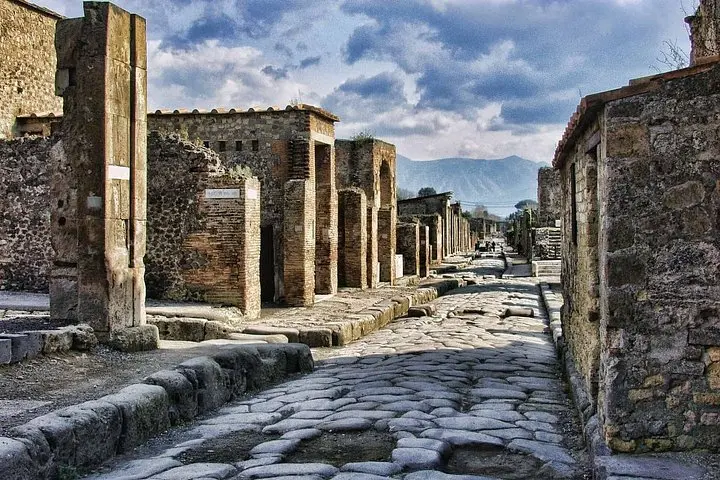
You meet at Porta Marina Superiore as the town rouses: sunlight strips across cracked amphorae and a licensed guide gestures down a street locked in AD 79. Walking the main artery of Pompeii, the guide moves confidently past thermal baths, villa façades and plaster casts that still carry the shapes of the city’s last moments. The stones are uneven; the past is immediate.
You meet at Porta Marina Superiore as the town rouses: sunlight strips across cracked amphorae and a licensed guide gestures down a street locked in AD 79. Walking the main artery of Pompeii, the guide moves confidently past thermal baths, villa façades and plaster casts that still carry the shapes of the city’s last moments. The stones are uneven; the past is immediate.
Pompeii’s story is geological and human all at once — Mount Vesuvius erupted in 79 CE, burying the Roman town in ash and preserving domestic life in remarkable detail. The volcanic soils that once caused catastrophe now feed vineyards on the volcano’s lower slopes, producing local wines such as Lacryma Christi and Piedirosso that carry mineral, citrus, and volcanic ash notes.
After roughly two hours among forum columns and frescoed houses, a short transfer takes the group to a family-run estate on Vesuvius’s flank. There, a cellar tour explains vine training on steep, terraced ground and guests sit for a grounded tasting paired with regional cheeses, salumi, and seasonal vegetables. Conversation shifts from mosaics to terroir.
Practical guidance: the tour runs about four hours total (2 hours in Pompeii + transfer and winery), covers uneven cobbles and short stair sections, and does not include Pompeii entrance tickets. Wear sturdy walking shoes, bring sun protection, and notify the operator of dietary needs in advance. Expect a moderate pace with frequent stops and the chance to compare ancient streetscapes with modern volcanic vineyards.