THE ADVENTURE COLLECTIVE® · Independent discovery and booking for outdoor travel

Walk where buses can’t: a two-hour, small-group guided tour from Charleston City Hall past Rainbow Row, the Waterfront Battery, and Fort Sumter. Get focused history, hidden gardens, and local tips to make the most of your visit.
Walk where buses can’t: a two-hour, small-group guided tour from Charleston City Hall past Rainbow Row, the Waterfront Battery, and Fort Sumter. Get focused history, hidden gardens, and local tips to make the most of your visit.
Book with Charleston History Tours
Verified experiences and guided adventures in the surrounding area.
Operated by Charleston History Tours · Charleston, South Carolina
Explore Charleston’s layered past on the Winspire Public Walking History Tour, a compact, two-hour guided walk through the city’s most storied streets. Meeting at 80 Broad Street in Charleston, South Carolina, this small-group experience moves where vehicles can’t: along the Historic Waterfront Battery, past the pastel facades of Rainbow Row, and toward the coastal bastion of Fort Sumter. With a maximum of 12 people, the pace is conversational—your guide answers questions, points out architectural details, and steers you into tucked-away gardens and courtyards that most visitors miss.
The route threads antebellum mansions, historic churches, and shaded graveyards under live oaks draped in Spanish moss, with intermittent views over salt marshes and the Cooper River. Look up to study wrought-iron balconies, keystones above arched windows, and the weathered brick of city alleys; these are the material traces of Charleston’s maritime wealth and its complex role in Revolutionary and Civil War histories. Fort Sumter, where the Civil War’s opening shots rang out in April 1861, anchors the story here; guides weave in earlier chapters too, including settlement beginning in 1670 and Charleston’s long trade connections to the Atlantic.
Practical details are simple and visitor-friendly: the tour begins at Charleston City Hall on Broad Street, and the itinerary notes public restrooms and a drinking fountain along the route. Because the group size is limited, the experience feels personalized—expect recommendations for other walks, restaurants, and museums after the tour. This walk suits travelers who want context with their sightseeing: it’s not just photo stops, it’s a primer on how Charleston’s built environment, coastal ecology, and social history interlock.
What makes this tour special locally is its focus on parts of town off the bus routes—streets where gardens and private courtyards open through iron gates, and where plaques and gravestones mark stories often skipped in guidebooks. The guide’s knowledge turns stone and shutter into narrative, revealing how rice fields, shipping lanes, and enslaved labor shaped Charleston’s skyline and streetscape.
Bring comfortable shoes, a bottle of water, and curiosity. Whether you’re making your first visit to Charleston or returning to see details you missed before, this two-hour walk is a grounded, readable introduction to one of America’s most historically rich port cities.
Because the tour stays on public sidewalks into open gardens, it’s accessible to most visitors who can manage a flat walk. Strollers work on many stretches, though some cobbled alleys and sidewalks require care. The guide emphasizes respectful observation at graveyards and private properties, explaining conservation efforts and how preservation rules protect facades and plantings. For travelers who want deeper study, guides can recommend museums, archival rooms, and harbor cruises to see Fort Sumter close—turning a single two-hour introduction into a layered itinerary easily.
Meet at 80 Broad Street (Charleston City Hall) — guides check in there before the tour departs.
The tour lasts about two hours and follows a compact route through the historic district on mostly flat sidewalks.
Families are welcome; strollers work on many stretches but some cobbled alleys and narrow sidewalks require care.
Yes — the itinerary notes public restrooms and a drinking fountain along the route.
The tour stops at viewpoints and explains Fort Sumter’s history; visiting the fort itself requires a separate harbor boat ticket.
Much of the route is on public sidewalks and flat, but some areas have uneven surfaces; contact the operator for specific accessibility questions.
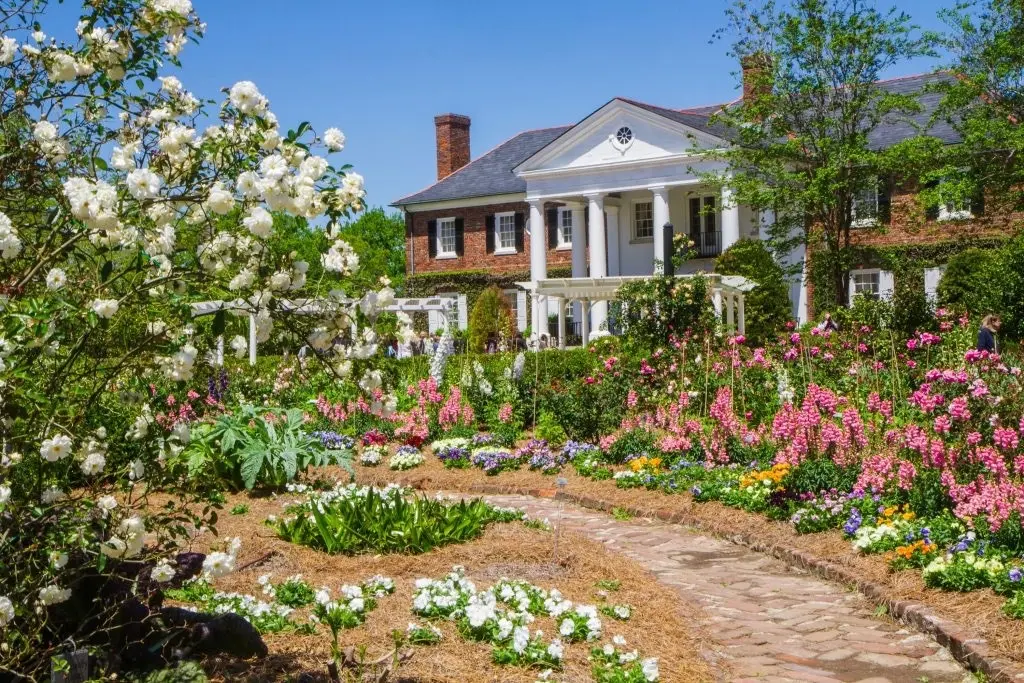
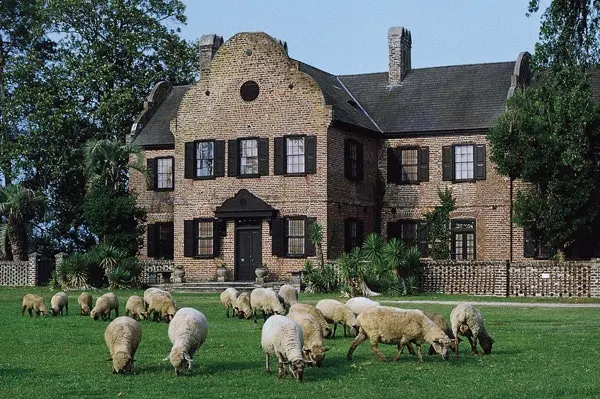
Charleston History Tours offers guided experiences that explore the architecture, culture, and historic landscapes of Charleston, South Carolina. Founded to showcase the city’s layered past, the company operates a variety of public and private tours across the Historic District, French Quarter, Battery, and nearby plantations. Tour options include daily walking tours (departure at 10:00 AM), multi-hour photography tours (3- and 4-hour options), private motorized tours with convenient pick-up and drop-off, and specialized plantation excursions to sites such as Boone Hall, Drayton Hall, Middleton Place, Magnolia Plantation, and McCloud Plantation. Several tours highlight iconic downtown landmarks including Rainbow Row, the Old Exchange Building, Dock Street Theater, St. Philip’s Church, and The Citadel. Charleston History Tours provides both group and private formats, including a dedicated “Step On” guide service for visiting groups and a PetiteKeep 2-hour private walking option for more intimate exploration. Photography tours are structured for a range of skill levels and focus on quieter alleyways, architectural details, and distinctive viewpoints. Guides emphasize historical context and on-foot discovery; motorized tours add comfort and convenience for longer itineraries. Boone Hall tours offered through Charleston History Tours include interpretive presentations about the lives and culture of enslaved African people at that site. All tour descriptions and itineraries reflect the company’s focus on local history, walking exploration, and curated plantation visits in and around Charleston.

Book with Charleston History Tours