THE ADVENTURE COLLECTIVE® · Independent discovery and booking for outdoor travel

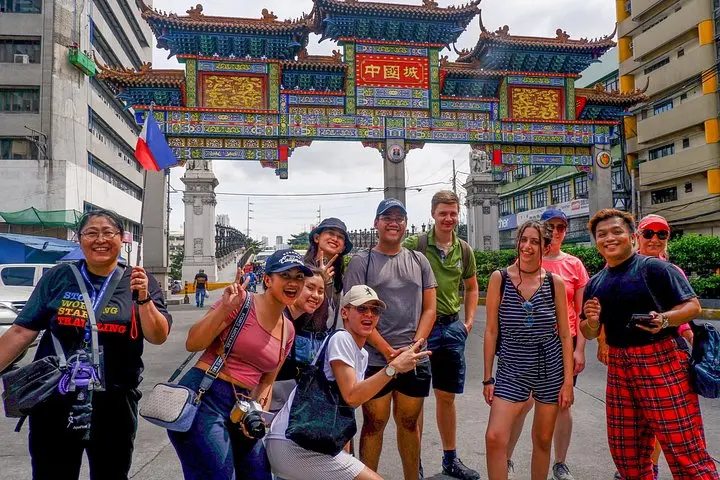
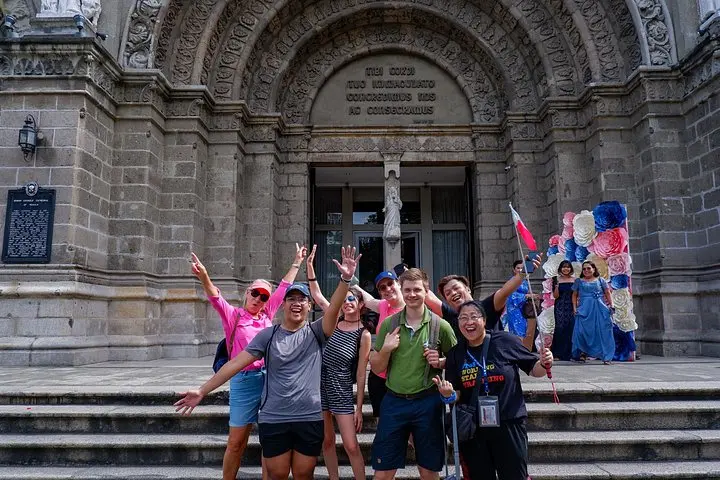
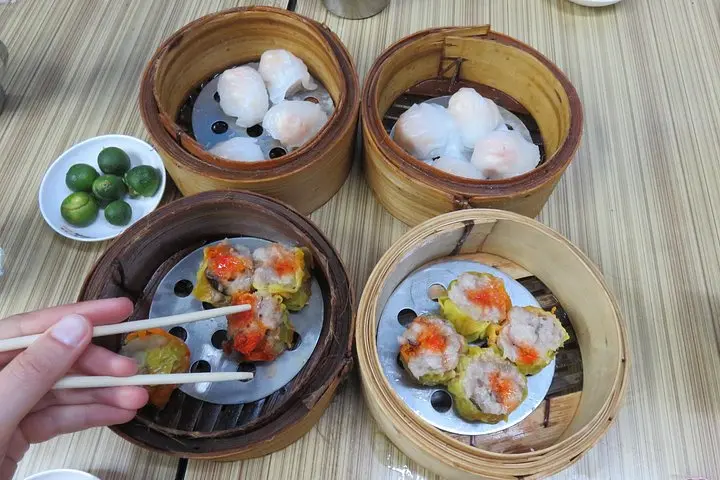
Taste, walk and learn your way through Manila: start in the chaotic energy of Quiapo Market, sample Binondo’s Chinese-Filipino street food, and finish inside Intramuros’ historic walls. This five-hour walking tour blends history, food, and urban culture.
Taste, walk and learn your way through Manila: start in the chaotic energy of Quiapo Market, sample Binondo’s Chinese-Filipino street food, and finish inside Intramuros’ historic walls. This five-hour walking tour blends history, food, and urban culture.
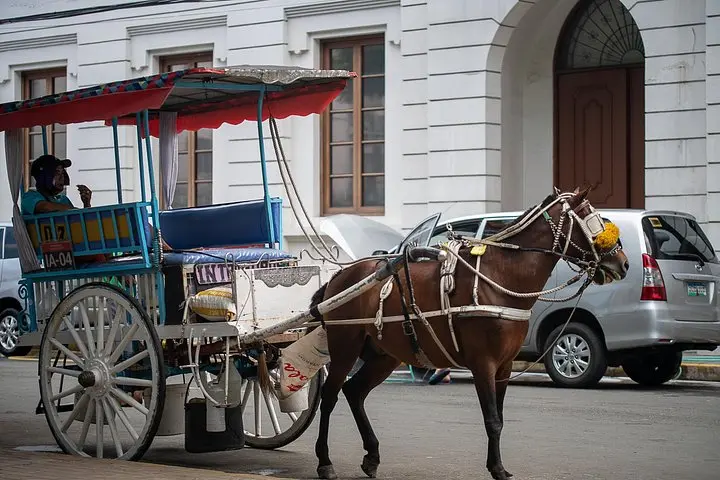
The morning opens on a Manila that still remembers horse-drawn carriages and spice traders: sunlight hits low Spanish walls, sampaguita vendors set up on corners, and the city hums with engines and prayer. You step off the curb into Quiapo Market where aromas of fried lumpia and sweet turon dare you to follow them; then the route threads into Binondo’s narrow alleys, where chili and soy steam rise from wok-lined storefronts, before the fortified calm of Intramuros—its stone ramparts and cobbled lanes holding layers of colonial memory.
Verified experiences and guided adventures in the surrounding area.
Operated by Abraham Tours Philippines · Manila, Metro Manila
The morning opens on a Manila that still remembers horse-drawn carriages and spice traders: sunlight hits low Spanish walls, sampaguita vendors set up on corners, and the city hums with engines and prayer. You step off the curb into Quiapo Market where aromas of fried lumpia and sweet turon dare you to follow them; then the route threads into Binondo’s narrow alleys, where chili and soy steam rise from wok-lined storefronts, before the fortified calm of Intramuros—its stone ramparts and cobbled lanes holding layers of colonial memory.
Manila’s story is visible in its façades: centuries of Spanish rule, Chinese trading communities, American-era boulevards, and the scars left by World War II. Geologically, the city sits on an alluvial plain shaped by the Pasig River and Manila Bay tides, which explains the flat, walkable streets and the occasional puddle after a downpour. Cultural textures shift block by block—quiapo’s religious fervor, Binondo’s Chinese-Filipino commerce, Intramuros’ heritage sites—so expect a collage of languages, foods, and faiths.
Practically: the tour runs about five hours and is mostly flat pavement with short stretches of cobblestone; bring sturdy shoes, a refillable water bottle, and small bills for street snacks. Go early to avoid midday heat and heavy traffic, wear sun protection, and be ready for crowds and sensory overload. Guides point out architecture, offer safe food tastings, and handle entrance logistics—this is a walking day packed with history, flavors, and urban rhythm worth pacing yourself for.
Expect roughly 3–5 miles of walking over five hours, mostly on flat city streets with occasional cobblestone sections.
Yes—several snacks and tastings are included; guides choose popular, well-known stalls, but bring basic stomach medicines if you have a sensitive digestive system.
Yes—the tour area is served by jeepneys, taxis, and nearby LRT/MRT stations; guides can advise on the easiest routes after the tour.
Families and older travelers often join, but participants should manage several hours of walking and crowd navigation; notify the operator of mobility needs in booking.
Abraham Tours Philippines operates guided outdoor trips and adventures with an emphasis on safety, stewardship, and memorable experiences.
The morning opens on a Manila that still remembers horse-drawn carriages and spice traders: sunlight hits low Spanish walls, sampaguita vendors set up on corners, and the city hums with engines and prayer. You step off the curb into Quiapo Market where aromas of fried lumpia and sweet turon dare you to follow them; then the route threads into Binondo’s narrow alleys, where chili and soy steam rise from wok-lined storefronts, before the fortified calm of Intramuros—its stone ramparts and cobbled lanes holding layers of colonial memory.
The morning opens on a Manila that still remembers horse-drawn carriages and spice traders: sunlight hits low Spanish walls, sampaguita vendors set up on corners, and the city hums with engines and prayer. You step off the curb into Quiapo Market where aromas of fried lumpia and sweet turon dare you to follow them; then the route threads into Binondo’s narrow alleys, where chili and soy steam rise from wok-lined storefronts, before the fortified calm of Intramuros—its stone ramparts and cobbled lanes holding layers of colonial memory.
Manila’s story is visible in its façades: centuries of Spanish rule, Chinese trading communities, American-era boulevards, and the scars left by World War II. Geologically, the city sits on an alluvial plain shaped by the Pasig River and Manila Bay tides, which explains the flat, walkable streets and the occasional puddle after a downpour. Cultural textures shift block by block—quiapo’s religious fervor, Binondo’s Chinese-Filipino commerce, Intramuros’ heritage sites—so expect a collage of languages, foods, and faiths.
Practically: the tour runs about five hours and is mostly flat pavement with short stretches of cobblestone; bring sturdy shoes, a refillable water bottle, and small bills for street snacks. Go early to avoid midday heat and heavy traffic, wear sun protection, and be ready for crowds and sensory overload. Guides point out architecture, offer safe food tastings, and handle entrance logistics—this is a walking day packed with history, flavors, and urban rhythm worth pacing yourself for.