THE ADVENTURE COLLECTIVE® · Independent discovery and booking for outdoor travel

Walk the Historic District with a Charleston native who weaves local lore, architecture and lowcountry history into a 105-minute stroll from Rainbow Row to the waterfront. Practical route tips, meeting details and seasonal advice help you plan.
Walk the Historic District with a Charleston native who weaves local lore, architecture and lowcountry history into a 105-minute stroll from Rainbow Row to the waterfront. Practical route tips, meeting details and seasonal advice help you plan.
The tour begins by the alcove at 166 Church Street — cobblestones underfoot, salt air from the harbor daring you to look up. A Charleston native leads the group through narrow alleys where shutters still hinge on stories, past churches whose steeples pierce lowcountry skies, and down to the Pineapple Fountain at Waterfront Park where the harbor and the Ravenel Bridge keep time like a metronome.
Verified experiences and guided adventures in the surrounding area.
Operated by Best of Charleston Tours · Charleston, South Carolina
The tour begins by the alcove at 166 Church Street — cobblestones underfoot, salt air from the harbor daring you to look up. A Charleston native leads the group through narrow alleys where shutters still hinge on stories, past churches whose steeples pierce lowcountry skies, and down to the Pineapple Fountain at Waterfront Park where the harbor and the Ravenel Bridge keep time like a metronome.
This quarter of Charleston is layered: colonial port, Revolutionary hotspot, and antebellum trade center. The city’s architecture — from Rainbow Row’s pastel Georgian facades to the Federal lines of St. Michael’s Church — tells an economic and cultural history shaped by tidal creeks, imported brick, and enslaved and free Gullah communities who shaped local craft and cuisine.
Geology here is soft and patient: reclaimed marshes, sandy substrates and barrier islands that buffer storms. That geology made Charleston a strategic harbor and now shapes preservation choices and tidal behavior visitors notice at low and high tide.
Expect steady walking at an easy pace for about 105 minutes, with multiple photo stops and at least one short indoor pass-through. The guide mixes fact, local lore and restaurant suggestions; they can point you toward quieter alleys or the best biscuit in the market. Practical notes: meet five minutes early, bring sun protection and a refillable water bottle, and plan for humidity in summer. The tour is family-friendly and suitable for most fitness levels, but cobbles and occasional steps mean sensible shoes matter. If weather or minimum guest numbers change plans, the operator cancels with advance notice.
Meet five minutes prior at the alcove at 166 Church Street (next to the Black Fedora) for a prompt departure.
The tour is family-friendly but cobblestones and stairs can make stroller use awkward; infants must sit on laps as noted.
A minimum of four guests is required; the operator will cancel if insufficient travelers or for bad weather, with advance notice.
Yes — the native guide provides local dining suggestions and pointers for self-guided follow-ups after the tour.
Best of Charleston Tours operates guided outdoor trips and adventures with an emphasis on safety, stewardship, and memorable experiences.
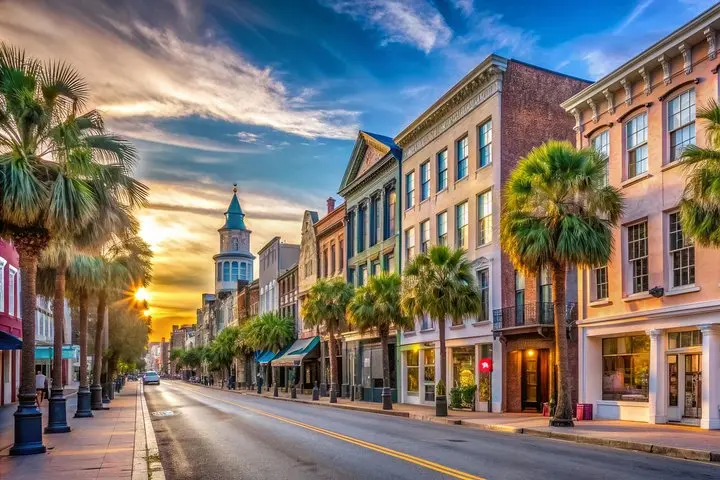
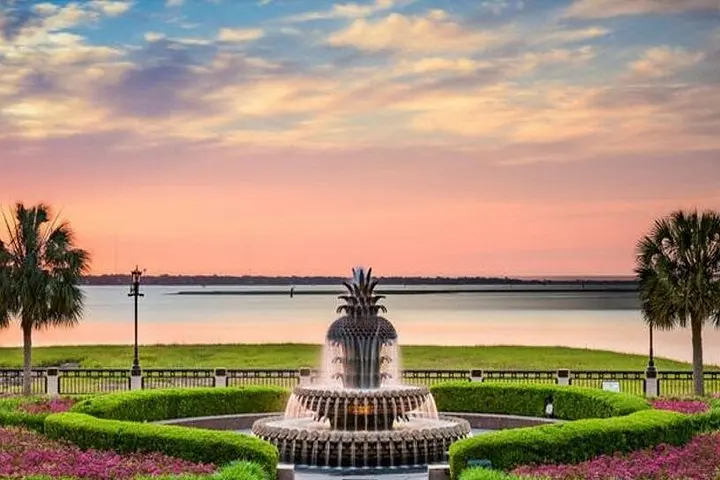
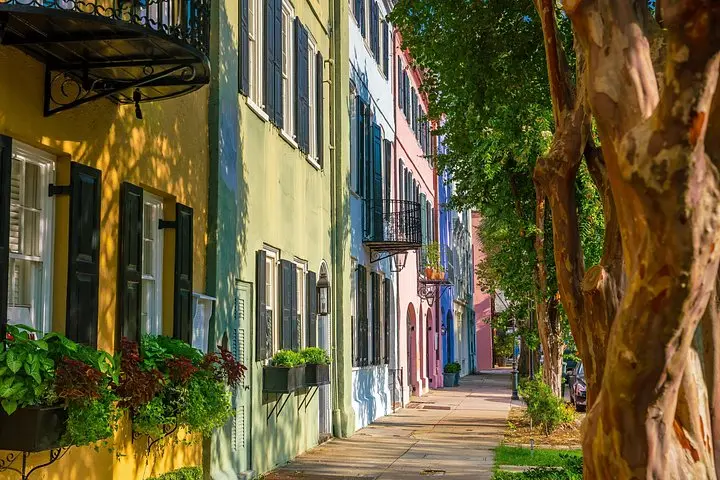
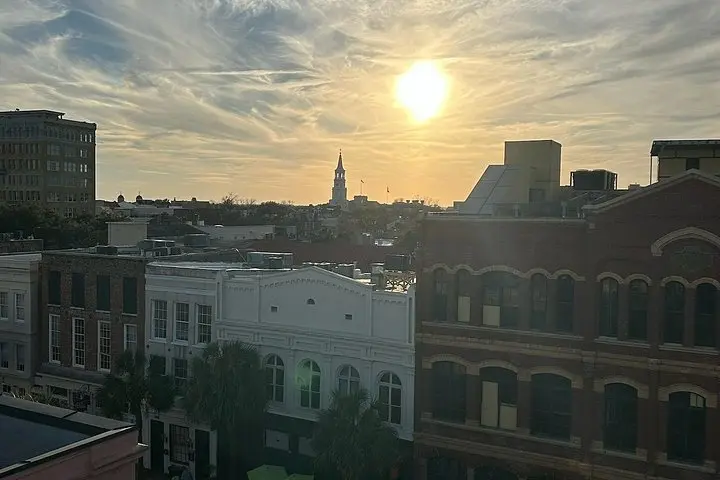
The tour begins by the alcove at 166 Church Street — cobblestones underfoot, salt air from the harbor daring you to look up. A Charleston native leads the group through narrow alleys where shutters still hinge on stories, past churches whose steeples pierce lowcountry skies, and down to the Pineapple Fountain at Waterfront Park where the harbor and the Ravenel Bridge keep time like a metronome.
The tour begins by the alcove at 166 Church Street — cobblestones underfoot, salt air from the harbor daring you to look up. A Charleston native leads the group through narrow alleys where shutters still hinge on stories, past churches whose steeples pierce lowcountry skies, and down to the Pineapple Fountain at Waterfront Park where the harbor and the Ravenel Bridge keep time like a metronome.
This quarter of Charleston is layered: colonial port, Revolutionary hotspot, and antebellum trade center. The city’s architecture — from Rainbow Row’s pastel Georgian facades to the Federal lines of St. Michael’s Church — tells an economic and cultural history shaped by tidal creeks, imported brick, and enslaved and free Gullah communities who shaped local craft and cuisine.
Geology here is soft and patient: reclaimed marshes, sandy substrates and barrier islands that buffer storms. That geology made Charleston a strategic harbor and now shapes preservation choices and tidal behavior visitors notice at low and high tide.
Expect steady walking at an easy pace for about 105 minutes, with multiple photo stops and at least one short indoor pass-through. The guide mixes fact, local lore and restaurant suggestions; they can point you toward quieter alleys or the best biscuit in the market. Practical notes: meet five minutes early, bring sun protection and a refillable water bottle, and plan for humidity in summer. The tour is family-friendly and suitable for most fitness levels, but cobbles and occasional steps mean sensible shoes matter. If weather or minimum guest numbers change plans, the operator cancels with advance notice.